Dos and don'ts of house cleaning
By Melanie Fourie•Last updated Aug 29, 2024
Last updated Aug 29, 2024
Table of Contents
- Don’t over-clean your carpets.
- Do follow specific instructions when cleaning your floors.
- Don’t forget to dust your baseboards and ceiling fans.
- Do clean your coffee machine more often.
- Don’t let grease build up in your kitchen.
- Do clean your garbage disposal and kitchen sink.
- Don’t skimp on washing big appliances, like your dishwasher and washing machine.
- Do “follow the grain” when cleaning stainless steel appliances and surfaces.
- Don’t let spills sit too long on your tile grout.
- Do wipe down high-touch surfaces daily.
- Hire a Thumbtack pro for all your house cleaning needs.
Find local pros for your project
Search for pros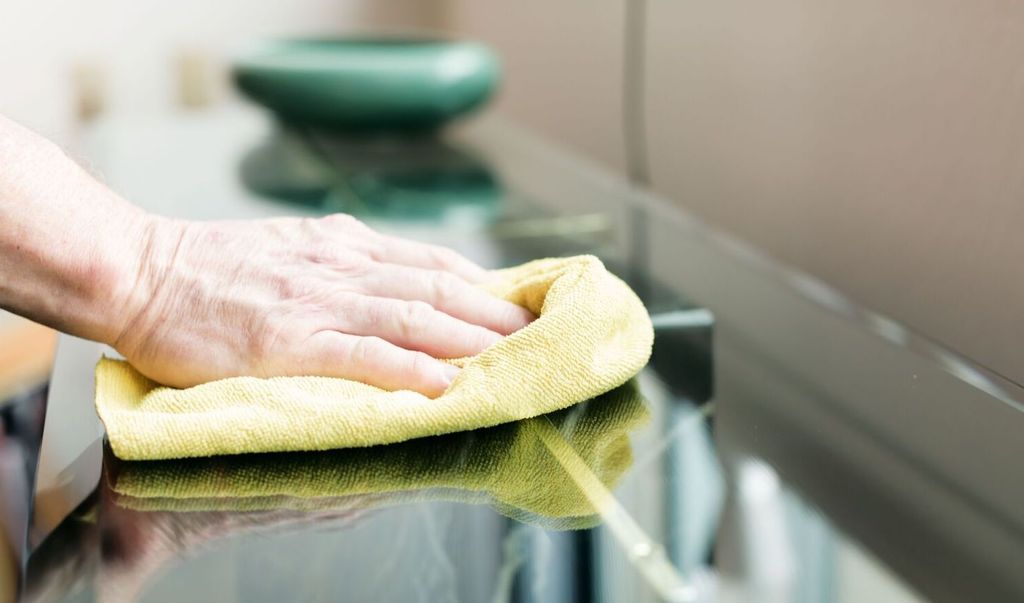
Cleaning your home may seem straightforward, but there are instances where cleaning incorrectly can do more harm than good. There are even times when over-cleaning can lead to wear and tear. That’s why we created this guide: to help you clean more efficiently (and quickly) — and protect various items in your home.
Don’t over-clean your carpets.
It’s important to vacuum carpets and rugs regularly, as carpet can grow mold if your home has high humidity. Regular vacuuming can also help remove dust mites, which may reduce asthma and allergies.
However, washing carpets or rugs too often, especially with a harsh cleaner, can damage the delicate fibers. Overwashing can also cause residue or wicking, which can leave your carpet looking unwashed after cleaning.
Another tip: don’t walk on carpets or place furniture on them before they are completely dry, as residue may catch and gather dirt. This can make your carpet dirty all over again.
Do follow specific instructions when cleaning your floors.
Refinishing or replacing flooring isn’t cheap. Avoid damaging and scratching your floors by using the right equipment and solutions when cleaning them. For example, avoid abrasive cleaners or harsh chemicals, and keep these tips in mind:
- Always read your manufacturer’s guidelines before you start cleaning.
- Avoid cleaning solutions that leave behind residue.
- Limit how much water you use when cleaning hardwood and laminate.
- Opt for a soft, damp mop and/or brush.
- Choose cleaning solutions made for your flooring instead of all-purpose cleaners.
Don’t forget to dust your baseboards and ceiling fans.
When we dust, we tend to prioritize tables, countertops, TV stands, lamps and other easy-to-reach surfaces. But when was the last time you dusted your baseboards and ceiling fans?
Use a soft cloth, duster or even a pillowcase to clean your ceiling fan blades. You can clean your baseboards using a vacuum cleaner brush attachment, sponge and/or duster. If you’re also going to clean your floors, do that first. Clean your baseboards last to avoid brushing dirt and dust onto your freshly cleaned floors.
Do clean your coffee machine more often.
Did you know that the reservoir in your coffee machine is one of the top 10 germiest places in your home? That’s according to a NSF International study, which also found that 50% of families had yeast and mold in their reservoirs — two things that can trigger an allergic response in some people.
If you’re a frequent at-home coffee drinker, make sure you’re also cleaning your coffee maker regularly. Read your manufacturer’s guidelines for specific instructions on how to clean and descale your machine.
Don’t let grease build up in your kitchen.
Grease buildup isn’t only unsightly and, let’s be real, kind of gross — it’s also a potential fire hazard. The Consumer Product Safety Commission recommends that you “clean cooking surfaces to prevent food and grease build-up,” which can help prevent cooking fires.
If you don’t have the energy to clean the grease off your walls, backsplash, inside your oven and on your stove, talk to a house cleaner about deep cleaning services to see if oven and stove cleaning is available.
Do clean your garbage disposal and kitchen sink.
Not cleaning your garbage disposal can lead to hazardous waste buildup. This buildup can also cause bad odors and an unhygienic kitchen.
To keep germs at bay and get your garbage disposal functioning properly, be sure to remove any blockages before cleaning it. Once it’s clear of buildup, use baking soda, vinegar, water, ice, salt and lemon peels to clean and freshen it.
And while you’re at it, take care of your kitchen sink. Grab a sponge and remove water spots, soap deposits and stains. Remember that your faucets will need disinfecting as well.
Don’t skimp on washing big appliances, like your dishwasher and washing machine.
Never assume that your dishwasher is clean because it washes dishes frequently. This couldn’t be further from the truth, as dishwashers accumulate buildup that can make them clean less efficiently. Remember to remove pieces of food after every wash cycle. Also, don’t forget to clean your dishwasher gasket with a damp cloth, remove dirt from the rubber seal, clean the filter, and wipe down the door, handle and controls. Lastly, clean the drain trap to prevent objects or food particles from obstructing it.
Likewise, your washing machine may be constantly cleaning your clothes, but that doesn't mean it's actually clean. In fact, buildup could occur, causing an offensive odor. To keep your machine in working order, clean the interior, drum, gasket and door.
Do “follow the grain” when cleaning stainless steel appliances and surfaces.
If you look closely at your stainless steel appliances, you’ll notice that there’s a grain — similar to wood grain. Experts say you should wipe in the direction of that grain so dirt and cleaning chemicals don’t build up inside the cracks. You should also use a microfiber cloth and products specially designed for stainless steel to avoid scratches and other damage.
Don’t let spills sit too long on your tile grout.
Tile is pretty good at resisting water and spills. But grout? That’s another story. Your grout is porous and can easily become discolored and stained. To keep your tile grout in great shape, you should wipe up and clean spills ASAP, and consider sealing your grout every so often.
Do wipe down high-touch surfaces daily.
If there’s one thing that the pandemic has taught us, it’s this: wipe down your high-touch surfaces every day to eliminate germs. These areas include your light switches, door handles, keyboards, remote control devices, computer mouse, cellphone and doorknobs.
Hire a Thumbtack pro for all your house cleaning needs.
Whether you need someone to help you clean your windows, upholstered furniture or dishwasher, you can find all the help you need from Thumbtack's list of house cleaners near you. Contact them today for fast, reliable and efficient service.
How it works.

Search.
Browse profiles, see prices and use filters to find pros who match your project.

Chat.
Contact the pros you like to discuss project details.

Hire.
Check pro availability and book appointments right in the app.
Find local pros for your project
Tell us what you're looking for and we'll show you pros right for the job, with prices.