How long do refrigerators last?
By Nicki Escudero•Last updated Aug 31, 2023
Last updated Aug 31, 2023
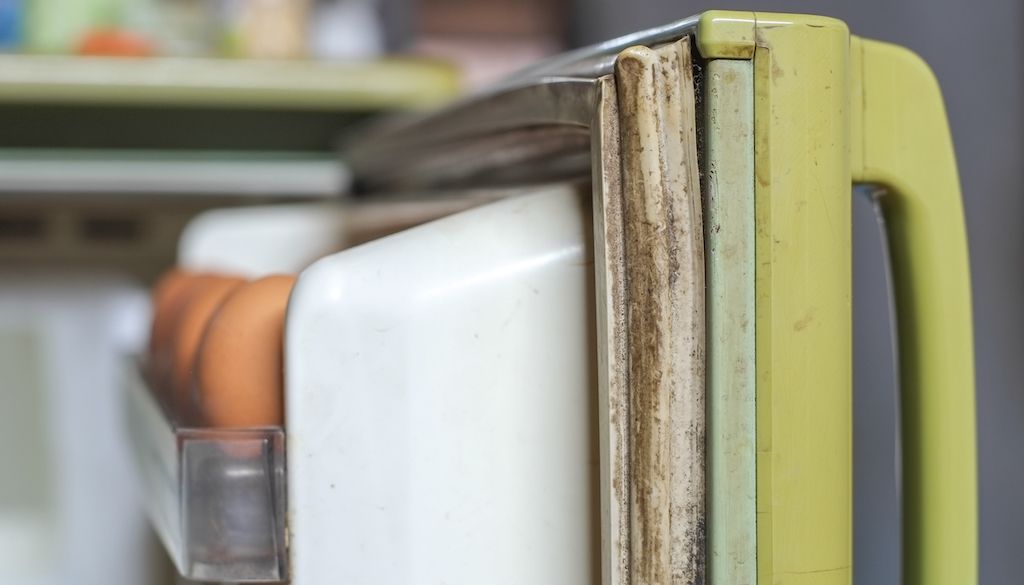
If you’ve had your refrigerator for many years, you may be wondering, "How long does a fridge last?" According to the International Association of Certified Home Inspectors, the average lifespan of a refrigerator is between 9 to 13 years.
However, many factors can impact a refrigerator’s lifespan. If you’re contemplating whether it’s time to replace your fridge or pay for refrigeration repairs, here are some things to know.
Signs you need to repair or replace your fridge.
Some refrigerator issues indicate the need for repair. But if your fridge is nearing the end of its lifespan, it may be more cost-efficient to replace it altogether.
Watch for these warning signs that your fridge may need major repairs or replacement:
1. You’re hearing weird noises.
If you’re hearing loud noises coming from the refrigerator, that typically indicates something is wrong. For example, the motor may be working harder than normal to regulate the fridge’s internal temperature. When a motor malfunctions, it could also make the fridge too cold, which increases energy bills.
2. There’s condensation outside of the refrigerator.
If you notice little droplets of water on the refrigerator door, that could be due to cold air escaping. This might happen because of tears or dirt in the refrigerator gasket, also known as the door seals.
You could fix this problem by cleaning or rubbing petroleum jelly into the gasket to help it become more flexible. Depending on the problem, you may need to replace the seal altogether.
3. The fridge isn’t keeping your food cold.
Sometimes, a fridge isn’t cooling because it's unplugged or there's a tripped circuit breaker. However, if everything is plugged in, you’ve set the temperature to 40°F or lower, and the food is still spoiling before its expiration date, your fridge may need to be replaced or repaired.
4. There’s excess frost in the fridge and freezer.
If you see excess frost, there’s likely an issue with the refrigerator’s internal temperature. This may be caused by a faulty gasket. Or, it may be a sign the entire appliance needs to be replaced.
5. The water dispenser stops working.
If the water dispenser is leaking, dispensing cloudy water, or dispensing water too slowly, there may be an issue with the water filter.
Repairing vs. replacing your refrigerator — how do you decide?
Before you buy a new fridge, you may be able to turn things around with the help of a refrigerator repair professional. If your fridge is malfunctioning, consider:
- How long you’ve had the fridge. If you’ve had the refrigerator for more than 13 years and you’re experiencing issues, you may be better off replacing it.
- How frequently you’re having issues. If you’re contacting refrigerator repair professionals often and your fridge is on the older side, you may be able to save money with a newer model rather than continuing to repair it.
- The fridge’s energy usage. If your fridge is on the older side, you may be able to save money over time by upgrading to an energy-efficient model.
- The cost of repairs and your warranty. Get price quotes for repairing your fridge and replacing it altogether. If the repairs cost 50% or more than the cost to buy a new refrigerator, you're better off buying a new model. You may also want to get a new model if your warranty has expired and won't cover the repairs.
- The severity of the issue can also indicate how likely your fridge is to die out. For example, it’s easier to repair or replace a door seal than to deal with motor and electrical issues. If your fridge is experiencing internal parts problems, that could be a sign there are more to come. Replacing an older fridge may be more cost-effective in the long run.
How to increase your fridge’s lifespan.
To maintain a refrigerator, manufacturers typically recommend that you:
- Use the refrigerator according to the manufacturer's instructions.
- Give your refrigerator at least 2 inches of room behind, around, and above the refrigerator.
- Position the fridge away from direct sunlight or heat sources.
- Inspect the door seals regularly, and remove any obstructions or debris.
- Clean the condenser coils at least every two to three months to remove hair, dirt, and debris.
- Place items at least 2 inches away from vents inside the refrigerator.
- Make sure the fridge door is completely closed when you're not using it.
- Stock your fridge at least two-thirds full to decrease the amount of air your refrigerator needs to cool.
- Set the temperature controls correctly.
- Flush the water system every time you change the water filter.
- Maintain a water pressure between 30 psi and 120 psi for the water dispenser.
The bottom line: Follow the instructions in your owner's manual, and regularly clean and maintain your kitchen appliances.
Find refrigerator repair and installation services near you.
Some fridge repairs are easy to do on your own. Others may involve electrical work or inspecting more complex components to diagnose an issue.
If your fridge is malfunctioning, you can download the Thumbtack app to find top-rated refrigerator repair professionals near you. A pro can also help you decide whether it's best to repair or replace your fridge. Schedule a service call today.
How it works.

Search.
Browse profiles, see prices and use filters to find pros who match your project.

Chat.
Contact the pros you like to discuss project details.

Hire.
Check pro availability and book appointments right in the app.
Find local pros for your project
Tell us what you're looking for and we'll show you pros right for the job, with prices.