Here's how to clean your stove top the right way
By Alyssa Chua•Last updated Sep 27, 2023
Last updated Sep 27, 2023
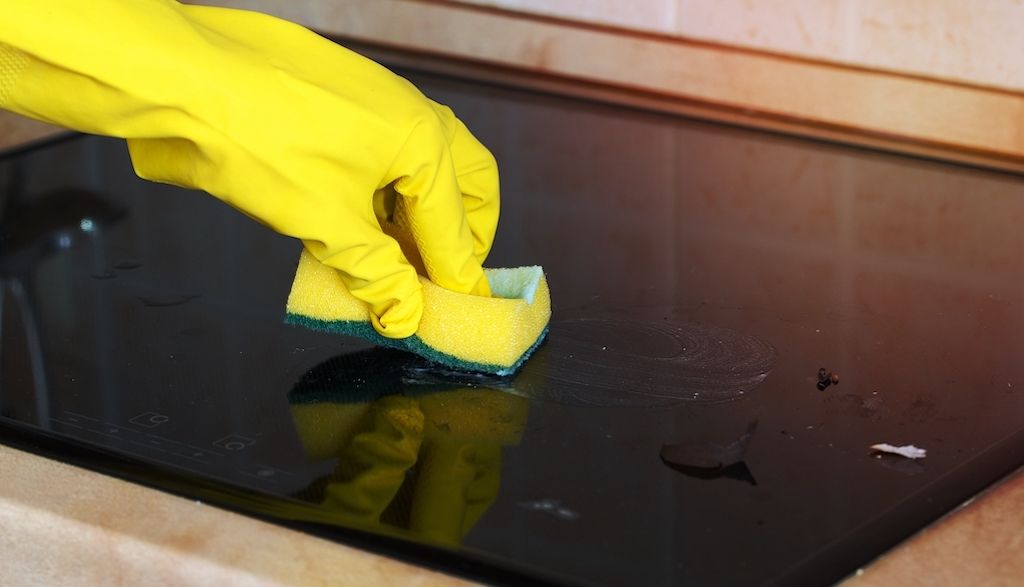
There’s nothing as delicious as a hot, home-cooked meal. But cleaning up after cooking can be a chore. Stove top grease, grime, and tough stains can be difficult to remove. If you’re wondering how to clean your stove top, look no further.
Browse our guide to learn how to clean an electric stove top, a glass stove top, or any other kind of cooktop you may have in your kitchen.
Note: Before you begin cleaning, always pull out your owner's manual for specific cleaning and maintenance instructions.
How to clean a glass (ceramic) stove top
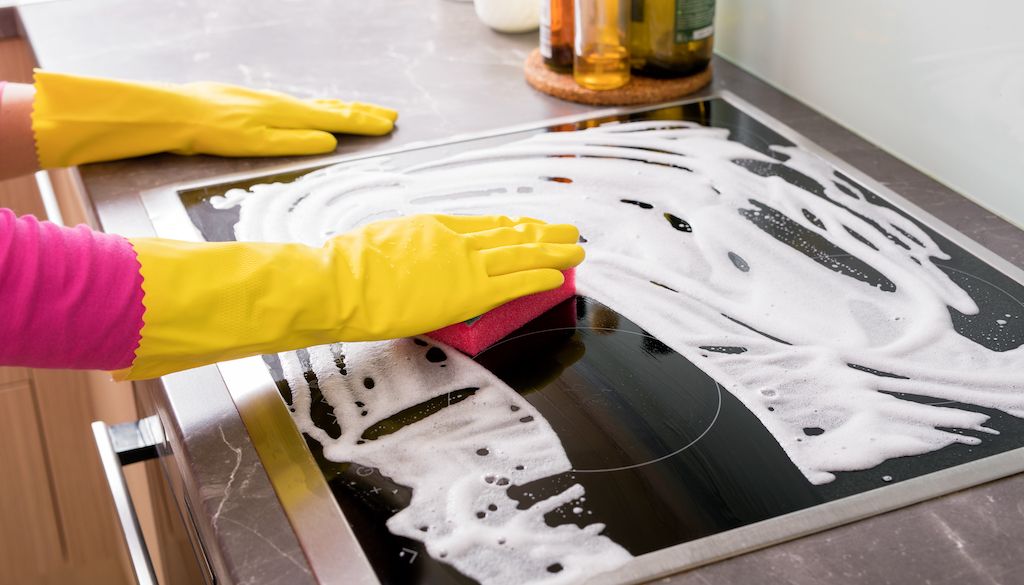
Ceramic or glass stove tops are cooktops with a smooth, flat surface made from ceramic glass. Glass-topped stoves are often easy to clean because their smooth surface makes it harder for oil to build up.
What you need:
- A spray bottle of white vinegar
- Non-abrasive cooktop cleaner or dishwashing liquid
- A cooktop scraper
- A non-abrasive cleaning pad
- A soft, dry cloth or microfiber towel
Steps for cleaning your glass (ceramic) stove
- Let your glass stove top cool first. Only start cleaning when your glass stove top is cool. If you see light spill marks or grease, spray them with vinegar so it can soak in as the stove cools.
- Use a cooktop scraper to remove food residue and stubborn stains while the stove top is still a little warm, so they come off more easily. Hold the scraper at a 45-degree angle so it doesn’t damage your stove top.
- Clean the surface with a cooktop cleaner or dishwashing liquid. Follow the label instructions for applying the non-abrasive solution directly to the surface. Use a non-abrasive cleaning pad to work the cleaner into the stove top.
- Wipe off the cleaning solution. Use a soft, dry cloth or microfiber towel instead of a paper towel to wipe away the solution until the stove top is completely dry and clean.
How to clean an electric stove top

Electric stove tops, or radiant cooktops, use electricity instead of gas to create the heat you need to cook food. While electric stove tops are easy to install and use, they often take longer to heat than other cooktops, which often results in increased cooking time.
What you need:
- Glass cleaning solution
- Spray bottle
- Baking soda and vinegar
- Soft, non-abrasive towels or cloths
- Glass-cleaning blade scraper
Steps for cleaning your electric stove
- Turn off the cooktop. Be sure to wait until your electric stove top has cooled completely before touching it.
- Grab your glass cleaning solution. Spread it over the stains and other areas you want to clean.
- If you’re using a baking soda and vinegar solution, spray it over the affected areas. You can also soak a towel in warm, soapy water and place it over the stains.
- Wait 15 minutes, allowing the solution to soak into the stains for easier removal.
- Remove the soaking towel if you used one.
- Wipe the surface with a clean, dry towel or cloth, making sure it’s non-abrasive.
- Scrape the glass with a glass scraper to remove stubborn stains. You may apply more vinegar and baking soda to soften them.
How to clean a gas stove top

Gas stoves require a dedicated gas line to create an open flame and generate heat. While gas stoves give you more precise control over heat levels, they can also be a lot more challenging to clean. They have more elements, like cooking grates and burner caps, that need to be cleaned.
What you need:
- Mildly abrasive cleaner
- Soap and water
- Cleaning solution
- Non-abrasive scrubbing pad
- Soft-bristled brush
- Soft cloth
- Baking soda
Steps for cleaning your gas stove
- Wait for your stove to cool down. Never clean a stove that's still warm or hot.
- Remove the cooking grates, burner caps, and drip pans if any. For some models, you may need a screwdriver to remove the burner caps.
- Soak the cooking grates and burner caps in hot, soapy water for at least 20 minutes. These can vary depending on the material your cooking grates and burner caps are made of, so read your owner’s manual first.
- Coat the grates in a baking soda and water mixture. Use 3 parts baking soda and 1 part water. Coat the grates with the mixture and leave them for 20 minutes before washing them off.
- Clean your drip pans. If you have chrome drip pans, you can wash them with liquid detergent or an all-purpose cleaner. If your drip pans are made of porcelain, clean them in the dishwasher or wash them by hand with liquid detergent. Dry them with a soft, clean cloth before returning them to the stove.
- Wipe the burners with a non-abrasive scrubbing pad. Use a soft-bristled brush to remove stubborn stains and stuck food.
- Clean the stove top base using a non-abrasive scrubbing pad and a mildly abrasive cleaner. Wipe it with a dry cloth after cleaning.
- Put it all back together. Return the cooking grates, burner caps, and drip pans to the stove.
How to clean a stainless steel stove

Stainless steel stove tops are known for being sturdy and rust-proof, despite being exposed to everyday elements. Nevertheless, they can also experience wear and tear. Over time, you may start to notice rust, stains, and other dirt.
What you need:
- Soft or microfiber cloth
- Diluted vinegar
- Mild acetone solution
- Baking soda and water
- Mineral oil
- Stainless steel brightener
- Stainless steel cleaner or homemade cleaner
Steps for cleaning your stainless steel stove
- Apply the stainless steel cleaner to your stove surface with a soft cloth. You can use a store-bought cleaner or a homemade dish soap, vinegar, and mineral oil solution. A paste made of baking soda and water will work too.
- Wipe the cleaner in the direction of the grain with a soft, dry cloth. When you look at your stainless steel stove top, you’ll see grains running vertically or horizontally. If you use a homemade cleaning solution, rinse it off with a soft, damp cloth.
- Use a clean cloth to buff the surface and remove any streaks. As always, work in the direction of the grain.
- Use additional solutions to remove stubborn stains. For example:
How often should you clean your stove?
It’s best to give your stove a quick clean-up after using it or at the end of the day. It’s easier to clean fresh spills and stains than to wait until they’ve built up.
You should aim to do a deep clean at least once a month, especially for a gas stove. However, how often you clean your stove depends on how often you use it.
What happens if you don’t clean your stove?
Every time you cook, small amounts of food and grease splatter onto your stove top. If you don’t clean your stove, you’ll eventually have a build-up of food, oil, and dirt on the surface. The longer the stains sit on the surface, the harder they will be to clean.
A dirty stove may also pose a fire hazard because the food and oil build-up can flare and cause a kitchen fire. Leaving dirt on your stove top can also reduce its lifespan, especially for gas stoves. If you let oil and dirt build up around the burners, it may affect the lifespan of your appliance.
Find pros to help you clean, maintain, and repair your stove
Cleaning your stove is a challenging but necessary task. If you don't have the time or energy to tackle it on your own, some professionals can help. On Thumbtack, you can find a pro to clean and maintain your stove. They can help ensure it's running smoothly for years to come.
How it works.

Search.
Browse profiles, see prices and use filters to find pros who match your project.

Chat.
Contact the pros you like to discuss project details.

Hire.
Check pro availability and book appointments right in the app.
Find local pros for your project
Tell us what you're looking for and we'll show you pros right for the job, with prices.