How to clean a front-load washer in 5 steps
By Evan Crowther•Last updated Aug 10, 2023
Last updated Aug 10, 2023
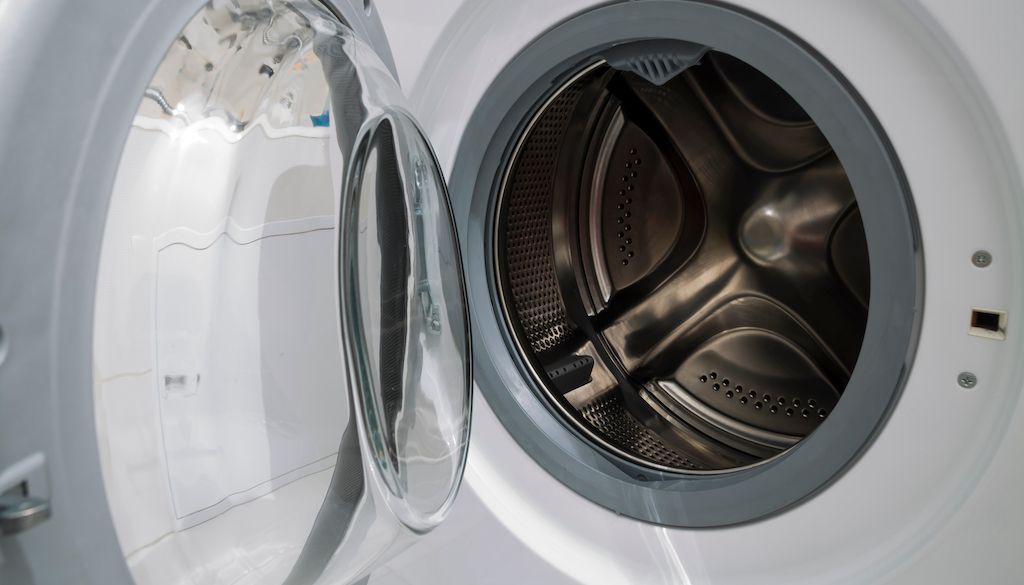
Keeping your washing machine clean is an essential part of maintaining it. Not only does regular cleaning prevent mold and bacteria growth, but it can also help your machine run more efficiently and spot issues that require repairs.
Because of the orientation of the drum, front-loaders can sometimes get dirty more easily than top-loading washing machines. Unlike with a top-load washer, water may pool unevenly in a front-loader, leading to mold or mildew growth over time.
This guide provides a simple guide on how to thoroughly clean a front-load washing machine.
What you'll need
Before you start cleaning, gather these supplies:
- Clean cloth or sponge
- White vinegar
- Baking soda
- Hot water
- Mild detergent or other cleaning solution
- A bucket or large bowl
- A toothbrush or small scrub brush (optional)
Remove everything currently inside your washer, and follow the steps below.
Step 1: Clean the detergent dispenser

Whether or not you use the detergent dispenser, it can accumulate soap scum over time. Cleaning out the dispenser drawer can help reduce odors and keep your washer working properly.
Some washers have completely removable dispensers, while others don’t detach. Remove the dispenser completely if possible, since that makes it easier to clean.
For stubborn stains or buildup, soak the dispenser in a mixture of hot water and mild detergent for at least 10 minutes. Then clean and rinse the drawer thoroughly. A small scrub brush or toothbrush can help with tight spaces and crevices.
Use a cloth to dry the dispenser before replacing it. Leave the drawer partially open so it can dry completely.
Step 2: Run a cleaning cycle with vinegar and baking soda

Most modern washing machines have a cleaning cycle option. If your machine doesn’t have one, run a heavy wash cycle with the hottest water possible. Self-cleaning cycles vary in length, but some can take up to 2 hours.
Vinegar is a popular appliance cleaner because it’s non-toxic and highly acidic. That acidity makes it a good option for killing bacteria and mold without harsh chemicals. Baking soda can also help loosen tough grime and dirt inside your washer's drum.
To clean your front-load washer with vinegar and baking soda, run two separate cycles. Using both products at the same time will make each one less effective:
- First, pour 2 cups of vinegar into the detergent dispenser (not into the drum).
- Run a wash cycle with the hottest water temperature option.
- When the cycle is complete, pour 1/4 cup of baking soda directly into the drum and run the cycle again. You can expect this step to take between 4 and 5 hours total.
Step 3: Clean the washing machine door seal

Your washing machine door uses a rubber gasket to form a seal that keeps water from leaking out. Over time, the seal can collect dirt, lint, and other residue.
You should be able to run your finger around the perimeter of the rubber seal to remove debris. In a bowl or bucket, combine hot water with a small amount of mild detergent or household cleaner.
With a cloth or sponge, use the mixture to thoroughly clean the space between the gasket and the washer door opening. This step should only take a few minutes, and it will help prevent outside contaminants from mixing into your laundry.
Step 4: Wipe down the drum and exterior

Once the inside of the drum is clean and deodorized, remove any remaining moisture. Leave the door open to air-dry, or use a lint-free cloth to wipe down the inside. This will help prevent stubborn mold from returning and causing odors. Check any crevices inside the drum for moisture before moving on to the exterior.
Use a sponge or cloth to wipe down the washer's exterior. Be sure not to use abrasive cleaning products, since they can damage the finish. Instead, use a mild detergent or cleaner.
Cleaning the exterior will help reduce the chance of outside contaminants entering the machine. Air-drying times will vary, but this step should only take about 10 minutes.
Step 5: Perform regular maintenance cleaning

Roughly every 30 wash cycles, you should perform a deep clean. But regular maintenance cleaning can help you avoid deep cleaning as often. It can also make deep cleaning easier and less labor-intensive.
After each cycle, these quick steps can help keep your washing machine clean and odor-free:
- Take wet clothes out as soon as possible.
- Wipe down the door seal to remove lint or debris.
- Leave the washer door open to let air circulate in the drum.
- Rinse off the detergent dispenser to discourage soap scum buildup.
Find pros who can maintain and repair your washer
Deep cleaning a front-load washer is a relatively simple task for any homeowner. However, if you notice an odor that persists after cleaning, you may need to call a professional. A sewage smell, for example, may mean you have an issue with the drain.
For mechanical problems, you should hire an appliance repair technician. If you want a professional to clean your appliances, you can ask local cleaning services if they deep clean washing machines.
The easiest way to find a professional to help with your front-load washer is with Thumbtack. Download the Thumbtack app today to hire a pro.
FAQs
How do you clean the rubber seal on a front-load washer?
Follow these steps to clean the rubber seal:
- Remove loose debris from the rubber gasket using your index finger.
- Wet a cloth with a mixture of vinegar and hot water.
- Use the cloth to thoroughly wipe around the rubber seal on the washer door opening.
- Use a cloth that doesn't shed to dry the rubber gasket, and keep the door open.
Note: The vinegar will kill odor-causing mold or bacteria. You can also use bleach instead of vinegar, but make sure not to mix the two.
Why does my front-load washer still smell after cleaning?
Washing machines can develop odors for a variety of reasons. Front-load washers can sometimes allow water to pool in the drum, which can attract mold and mildew. If you notice a sewage smell, the problem is likely with your drain.
Other types of buildup that can cause washing machine odors include soap scum, bacteria, and minerals. If your washer still smells after a deep clean, you may have missed the rubber door seal. Or your machine may have a drainage issue. If the smell persists after several cleaning cycles, you may need the help of a professional.
Can you use bleach or vinegar to clean a front-load washing machine?
Bleach and vinegar are both suitable disinfectants for cleaning a front-load washer. Some homeowners prefer vinegar as a non-toxic alternative to bleach, so use whichever you prefer. Be sure not to mix bleach with another cleaner, as the reaction may create toxic fumes.
Use a mixture of water and your preferred cleaner to wipe down your washer’s drum, detergent dispenser, and door seal. For a deep clean, pour either the vinegar or bleach into the detergent dispenser, and run the washer's self-cleaning cycle. Then, use a mild cleaner to wipe down the exterior of the machine.
How it works.

Search.
Browse profiles, see prices and use filters to find pros who match your project.

Chat.
Contact the pros you like to discuss project details.

Hire.
Check pro availability and book appointments right in the app.
Find local pros for your project
Tell us what you're looking for and we'll show you pros right for the job, with prices.