Our best home organization ideas, tips and mistakes to avoid
By Thumbtack Staff•Last updated Jul 12, 2023
Last updated Jul 12, 2023
Table of Contents
- Commit to organizing your entire house
- Start with the small spaces
- Give everyone in the household tasks to complete
- Understand you can't keep everything
- Keep frequently used items visible and easily accessible
- Keep things you use in each room in that room
- Only buy storage solutions you can’t make out of something else
- Clear storage containers and descriptions are your allies
- Home organization ideas for every room
- Avoid these home organizing mistakes
- How much does organizing your home cost?
- Who to hire for a more organized home
Find local pros for your project
Search for pros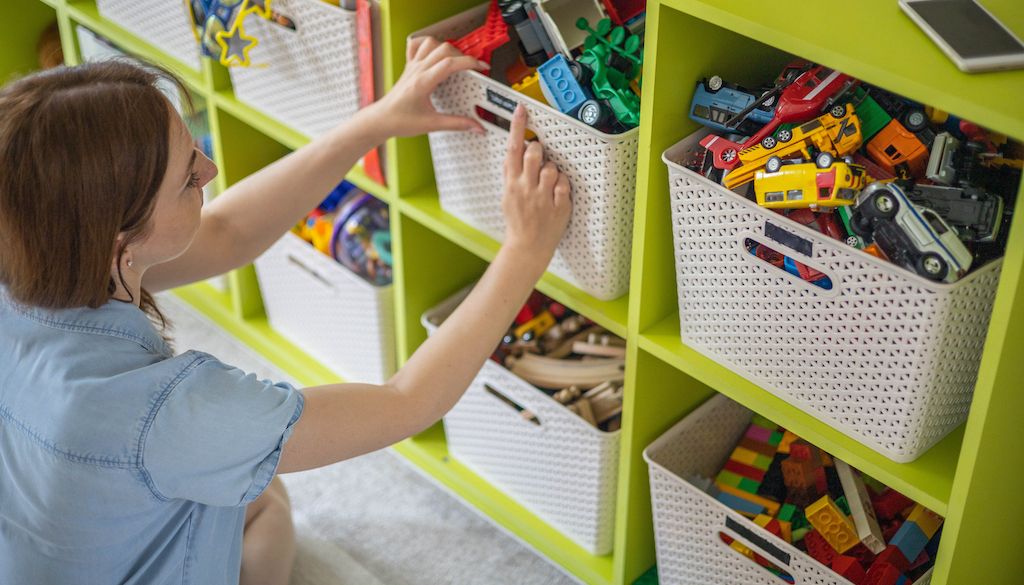
When you feel like you’re out of space but you can’t find anything you need either, it’s time to overhaul your house. Try these expert tips from home organizers on Thumbtack.
Commit to organizing your entire house
You won’t finish the project if you organize only a few things here and there. To get a truly organized home, plan to cover the whole house.
Make a list of the rooms in your house and decide exactly when you’ll organize each one. Start researching organization ideas. Half the battle is figuring out which approach works best for your space, lifestyle, and personality.
Start with the small spaces
Build your confidence by starting with areas that are easiest to organize, like drawers and cabinets. Leave the tougher decisions or larger rooms for last.
Give everyone in the household tasks to complete
Remember to delegate to other family members — for example, each kid handles their own closet, or whoever uses the home office most tackles the piled-up paperwork or junk mail.
If you get overwhelmed, find a home organizer near you who can create a custom plan based on exactly what you need.
Understand you can't keep everything
You can’t have a clutter-free home until you get rid of items that are unusable, expired, or outdated. That means ragged towels and orphaned pillowcases stuffed in your linen closet, spices in your kitchen that are so old they don’t even smell anymore, and mismatched Tupperware filling your kitchen cabinets.
Plan for a few trips to the closest Goodwill donation center, or have a junk removal specialist haul things away for you.
Keep frequently used items visible and easily accessible
How often do you find yourself looking for your keys, wallet, TV remote control, and other items you use every day? Misplacing these items can cost time and make a mess while you’re searching for them.
Prevent disorganization by making sure certain items are always easy to see and grab. For example, try the following:
- Wallet and ID. Always place your wallet and ID in a bag or purse when you get home. But don’t throw your bag in the closet. Keep it hanging on a closet door handle, or place it on the same table, counter, or chair every time.
- Keys. Place a small dish or tray on top of your entryway table. Drop your keys on it every time you return home.
- Remote controls. Don’t put your remote in a drawer or let it sink between couch cushions. Get in the habit of always placing it on your coffee table when you’re not using it.
Keep things you use in each room in that room
Whether you’re getting ready to go out, taking care of the kids, or doing chores around the house, it’s easy to misplace your things.
For example, after a shower, you may leave your towel in your bedroom instead of hanging it back up in the bathroom. Or after working in your office for a few hours, you may decide to change scenery and work in the living room. But then you forget to put your paperwork and devices back in your office when you’re done for the day.
It’s a tough habit to build, but making sure your items are in the right rooms every day can help you maintain an organized home.
Only buy storage solutions you can’t make out of something else
One of the best ways to keep your home organized is to avoid buying things you really don’t need. So before you spend a lot on new cabinets, drawers, boxes, and other storage items, see if you can make do with what you already have.
Feeling stuck? Try using shoeboxes and cardboard boxes to organize smaller items in your closet, under your bed, and even in your drawers. You can also place paperclips, thumbtacks, pens, and other office supplies in old mason jars. You may even want to consider repurposing old wood furniture to create storage cabinets and other organizers.
Clear storage containers and descriptions are your allies
Imagine this scenario: You just finished organizing your home now that summer is over. You have several cardboard boxes in your garage that contain summer clothes, gear, and toys. All of the boxes have short labels, but there are no descriptions of what’s inside them.
During the fall, there’s a surprisingly hot day, and you decide to get some summer clothes out of the garage. But multiple containers are labeled “SUMMER CLOTHES.” You’re not sure which one to open, so you open all of them until you find the clothes you’re looking for — and now you’re left with a little mess to clean up.
This would’ve been easier if you had clear storage containers or descriptions on the boxes. So if you decide to buy new storage containers, choose ones that are clear instead of solid colors. And consider making a list of what’s in each container and taping it to the outside.
Home organization ideas for every room
Now that you’ve read our general home organizing tips, here are some basic organization ideas to implement in every room:
Tidy up the entryway
Clean up whatever you see when you first walk into your house — whether that’s a foyer, mudroom, or living room. The feeling you get when you walk into a cleaner house will motivate you to keep going.
Find an easy system for shoes and coats, put a mirror near the door, and find a console table or tray for mail. Put a bin near the front door, too, so you can recycle junk mail as soon as it comes in.
Create a clutter-free living room
The key to a clean living room is having a place for everything. Find a rack for magazines, a caddy for remote controls, and a bin for toys.
Don’t go wild on throw pillows — they end up on the floor. Stow board games or books you’re currently reading in covered cabinets or a storage ottoman.
Stop hiding your mess in your bedroom
You’re supposed to rest in your bedroom, not surround yourself with all the stuff you couldn’t find a place for elsewhere. Start by putting away anything on the bed, and then make the bed.
Follow the same decluttering steps you use in other rooms, going through nightstand drawers and shelves, tossing out things that belong elsewhere or that you don’t use. Clean out and organize your clothes closet too.
Make your kitchen functional again
It’s too easy to stuff things in cabinets and pile up your counters with things you haven’t found a place for. But your counters are supposed to be prep space, not storage.
After you’ve tossed everything you don’t need, look for space-saving devices and storage supplies. You can get lazy Susans to make pantry items easier to reach, clear canisters so you don’t forget what food you have, and hooks, racks, and dividers to tame your kitchen gear. Utensil drawers and cabinets that hold pots and pans need attention too.
Before you run off to IKEA, make a specific list, with measurements, and note exactly what you plan to store there.
Find a place for everything in the bathroom
Ideally, each person who uses a bathroom should have their own drawer or shelf for toiletries. The medicine cabinet is for everyone and needs to be cleared and reorganized so you can easily keep it neat.
Clean towels should be kept in the bathroom for easy access, so you may need to mount a wall shelf or get one that fits over the toilet. Keep basic supplies like toilet paper, soap, and toothpaste in stackable open bins.
Get more work done in a clean, organized home office
Start by dealing with all piled-up papers through shredding, scanning, and filing, and completely clear off your desk. Store everything you need regularly in drawers or vertical files.
Label cords to match them with devices, and tame them in their own bins or by corralling them neatly with binder clips.
Make your utility and storage areas work harder
Don’t forget the rooms where you do laundry, store cleaning supplies, or work on DIY projects.
In the laundry room, get rid of what you don’t need. Recycle any nearly empty detergent containers and empty that lint basket you keep stuffing down.
In a workshop, shed, or garage space, hang pegboards to hold tools, use recycled clear plastic containers to hold hardware, and group gear by type or activity.
Avoid these home organizing mistakes
You’re probably going to make a few mistakes when organizing your home. But here are a few you can easily avoid:
Mistake #1: Organizing before purging
Professional organizers’ first rule is to get rid of absolutely everything you don’t need so you can take stock of what’s left. Don’t buy storage accessories until you know what you’ll be storing, how much of it there is, and how best to store it. You’ll waste money on supplies you don’t need, and those same supplies will become more clutter.
Mistake #2: Keeping broken things because you think you can fix them
It’s tempting to hold onto a broken item if you believe it can be easily repaired. But ask yourself, “Why haven’t I already fixed it?” Chances are that if you haven’t done it already, you probably never will.
Unless the item is expensive, valuable, or sentimental, get rid of it.
Mistake #3: Ignoring the one in, one out rule
Getting rid of one thing every time you buy a new one is a good way to keep your possessions in check, especially clothes, shoes, and toys. It may also help to record every nonessential thing you buy for 30 days, then review the list and get honest about what you actually need and what’s an impulse buy.
Mistake #4: Biting off more than you can chew
Set realistic expectations for your home organizing project. Don’t try to do everything in one day. Give yourself at least a few days or even weeks.
Mistake #5: Not asking for help
Don’t hesitate to ask for help. You can find home organizing professionals near you. They help you create a plan, pick out storage solutions, and give you personalized tips to help you stay organized.
How much does organizing your home cost?
Many home organizers charge an hourly rate that covers decluttering, organizing, removal, and other services.
Costs depend on where you live and how much experience your organizer has. Some pros specialize in certain areas of organization, like photo archiving, space planning, or managing family finances, which may affect their rates. Other professionals specialize in helping people who specifically want support to rein in their shopping habits.
Who to hire for a more organized home
Get a fresh perspective on what you should keep, what you should toss, and where to store it all. Find every pro you need for an organized home on Thumbtack:
A note about project costs included or linked in this article: Figures represent national average cost estimates using data provided by Thumbtack pros and additional research. These figures are provided for educational purposes only and are subject to change at any time due to various factors. Details about your specific project and local rates can impact costs.
How it works.

Search.
Browse profiles, see prices and use filters to find pros who match your project.

Chat.
Contact the pros you like to discuss project details.

Hire.
Check pro availability and book appointments right in the app.
Find local pros for your project
Tell us what you're looking for and we'll show you pros right for the job, with prices.