15 landscape edging ideas for a clean, attractive yard
By Evan Crowther•Last updated Jun 2, 2023
Last updated Jun 2, 2023
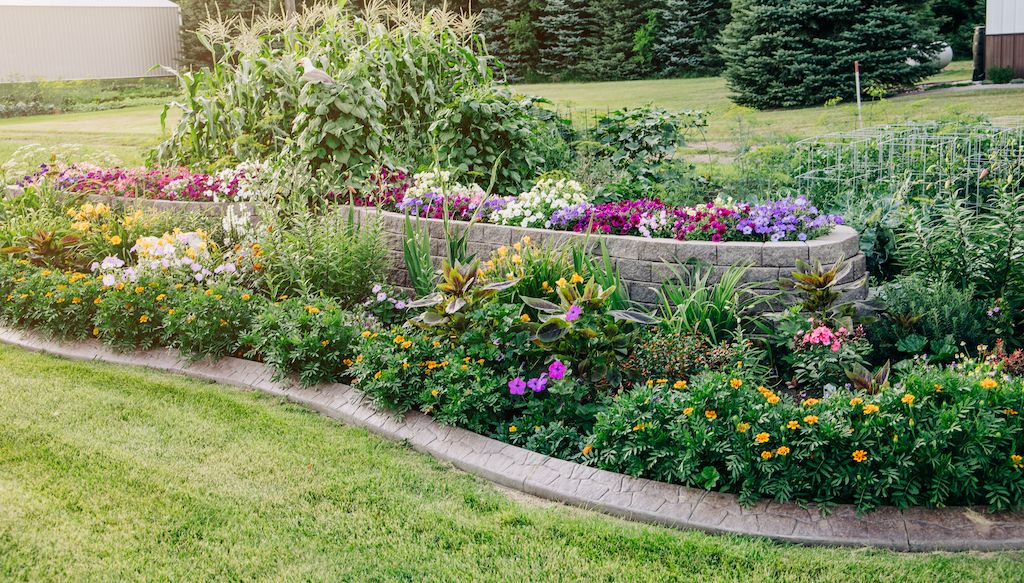
A beautiful lawn and garden can help your home stand out and improve curb appeal. A great way to add some visual interest to your yard is with landscape borders and edging.
What is landscape edging or curbing?
Lawn edging, also called curbing, is a landscape design technique for creating borders around garden beds, flower beds, and other garden spaces. It helps accent your lawn's features, like flowers and bushes.

Not only does it help your yard look sharp, neat, and clean, but edging can also help prevent weed growth. Lawn edges can also make it easier to cut grass with a mower or trimmer.
There are many different styles of landscape edging. Some homeowners choose a natural border around an area, while others prefer a sharp edge. No matter which type of edging you pick, it will be a noticeable upgrade to your outdoor space.
Landscape and lawn edging ideas
Creating clean, defined borders gives any front yard or backyard landscape design a polished look. Need a little inspiration? Check out these landscape and lawn edging ideas.
1. Plastic edging

One of the easiest and most affordable ways to edge a garden is with plastic edging. The material comes in many different colors, and installation is easy.
Plastic edging comes in rolls, and strips typically fit together. Simply tap the material into the soil with a rubber mallet.
2. Wire edging

Wire edging is another budget-friendly option for a lawn edge or raised garden. This style of edging can add upscale charm to a garden when used as a bed edge.
It’s flexible, making it relatively easy for DIY enthusiasts. Wire edging also offers a variety of colors and styles.
3. Brick edging

Brick is a timeless edging material that never goes out of style. Bricks are durable and low maintenance, and they’re sure to last for years. They come in a few colors, but make sure they don’t clash with your home’s architecture.
4. Stone edging

Stone edging is a similar, more natural-looking choice than brick. You can use flagstone edging or natural stones for a more rustic look. The installer can lay stone like brick for a sharp edge or stack stones for a more natural border.
Stone edging typically requires a professional for installation, but an experienced landscaping hobbyist could tackle the project themselves.
5. Metal edging

If your yard has a more modern aesthetic, a sleek metal edge might be the best material. Metal edging can hold straight lines, but installers can also bend it to fit around curved areas.
Options for metal edging include aluminum, steel, and copper. You can also paint metal edging if you have a specific color in mind.
6. Wood log edging

Wood edging is a rustic option for a natural aesthetic. However, it may need protection from the elements.
For example, some manufacturers can treat wood so it can withstand the elements. You can also stain or paint wood edging so it matches the style of your outdoor space. Consider choosing a sturdy option like cedar, which should last underground.
7. Mulch edging

Mulching is an effective way to create an organic border around your plants. It prevents hard edges from forming. Mulch can use organic or synthetic materials, and it comes in a variety of sizes and colors to achieve different looks.
Laying enough mulch can prevent overgrowth without the need for a hard boundary. But keep in mind that a mulch border will require frequent maintenance to keep it looking neat.
8. River rocks

River rocks are smooth, round rocks that create an eye-catching landscape edge. No two river rocks are the same, and using them as an edging material creates a unique boundary.
You can arrange them in a few different ways to get different looks. Because many river rocks are flat, you may want to stack them into a retaining wall. Or, you can scatter them to create a bed.
9. Concrete edging

When you think of a visually appealing garden, concrete may not be the first type of edging that comes to mind. However, concrete edging adds a surprisingly polished look to a lawn or garden.
You can have concrete poured on site or installed as pre-cast blocks. Keep in mind that concrete is permanent, so it may not be the best choice if you’re prone to rearranging your lawn frequently.
10. Plants as edging

You may not need a hard edge for your landscape at all. Rather than installing edging, you may prefer to place border plants around an area.
There are countless plants suitable for creating borders, so this method of edging works for any kind of garden. You can use a colorful variety or one type of plant to edge an area. Make sure you’re prepared to maintain the plant you choose, or your border will disappear.
11. Garden border fence

Low fencing is a decorative and functional method of edging. Not only will a fence prevent overgrowth, but it can also keep unwelcome animals out of your garden.
Fences are available in mesh, wood, plastic, and other materials. A metal fence will be sturdier, while a low picket fence will add some cottage-like charm to your landscape.
To install a fence, you’ll have to measure the area carefully. A heavier fence may also require some concrete to keep fence posts in place.
12. Gravel edging

Spreading gravel around an area is similar to mulching but won’t require as much maintenance. Choose a color of gravel that suits your lawn or garden, and spread an even layer around the perimeter.
13. Landscape timber edging

If you like the look of wood but want a sturdier barrier, you might consider timber edging.
Timbers come in a variety of shapes and are relatively easy to install. For best results, however, it may be worth it to hire a landscape edging professional.
14. Recycled materials

For homeowners who want to get creative and stay eco-friendly, using recycled materials for edging can be a fulfilling project.
For example, use old wine bottles, cans, or strips of tire for a quirky garden edge. Other ways to recycle edging materials include found wood, broken glass, and scrap metal.
15. A mixture

You don’t have to settle on just one type of edging. Explore combining different types of materials, such as gravel, rocks, and wood.
Find a landscaper to add borders to your yard
While any of these garden edging ideas could be a DIY project, hiring a professional will often yield the best results. A professional landscaper can save you time and money by ensuring the job is completed by someone with all the necessary skills.
With all the options for landscaping, choosing the right one can be overwhelming. The easiest way to find a landscaping contractor is with Thumbtack. Download the Thumbtack app today to hire a pro.
A note about project costs included or linked in this article: Figures represent national average cost estimates using data provided by Thumbtack pros and additional research. These figures are provided for educational purposes only and are subject to change at any time due to various factors. Details about your specific project and local rates can impact costs.
How it works.

Search.
Browse profiles, see prices and use filters to find pros who match your project.

Chat.
Contact the pros you like to discuss project details.

Hire.
Check pro availability and book appointments right in the app.
Find local pros for your project
Tell us what you're looking for and we'll show you pros right for the job, with prices.