Moving out of state? Here are 21 steps you need to take
By Frederick Reese•Last updated Aug 19, 2022
Last updated Aug 19, 2022
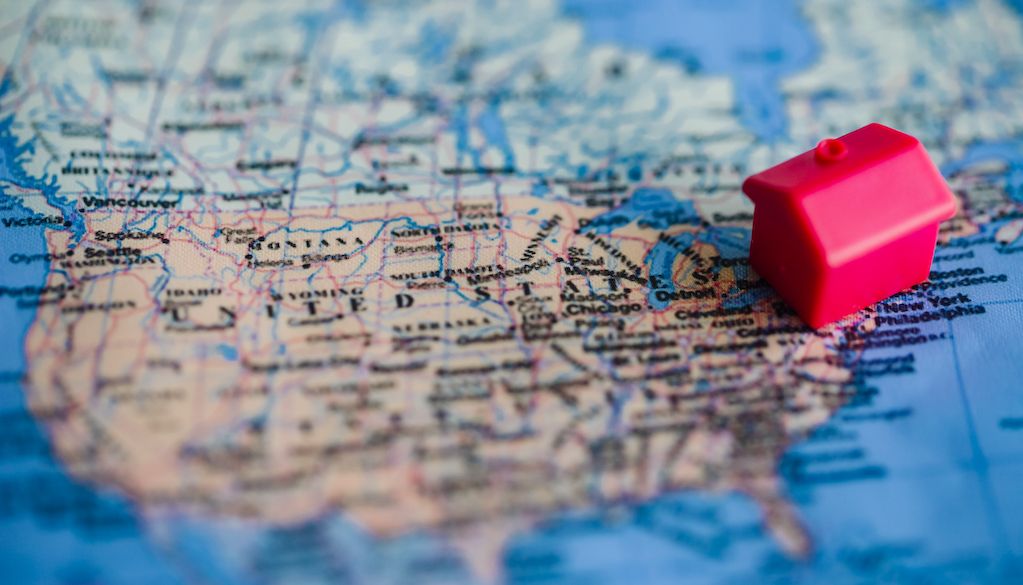
There are many reasons why you may want to move to a different state soon. Perhaps you just received an offer for your dream job, you wish to be near family, you're going back to school or you’re simply looking for a change of pace. Whatever the case, make sure you’re fully prepared to take this big step.
Moving can be stressful, and moving out of state can be even more stressful than the local moves you’ve done in the past. Not only do you need to figure out how to transport and ship your belongings, but you also have to navigate different laws and regulations in a place you may not know well. Long-distance moves to another state can be expensive, stressful, and difficult without careful planning and help from knowledgeable pros.
For your upcoming out-of-state move, make it easier on yourself. Follow these simple moving tips to avoid costly mistakes, reduce stress, and even save money.
How to decide if you should move to another state

Not sure whether moving to another state is right for you? Here are several steps you should always take before you make a decision.
1. Research the cost of living in other states
Before you make any decisions about moving out of state, make sure you can afford to live there. It may seem obvious, but always research the cost of living. This can include:
- Average home prices and rent. Use your favorite home and apartment listing websites to get a good idea of how much it will cost to live in your new city and state. If you’re building a new home, also consider the cost of labor and materials in that state.
- Taxes. Research state income taxes, property taxes, and even retirement income taxes.
- Transportation costs. Figure out how much it typically costs to use public transportation, register a vehicle, pay car insurance, and buy gas.
- Healthcare costs. Find out how much you’ll need to pay for healthcare in your new state.
2. Consider your job situation
If you’re moving for a new job, congratulations! If you don’t have a job lined up when you move, make a plan for supporting yourself until you find one. It can take several weeks, months, or longer to search openings, schedule interviews, and get hired. Before choosing a new state, it’s wise to research the job market in your city and state to see which industries and companies are actively hiring, freezing openings, or laying off staff.
If your plan is to stay with your current employer, learn whether your job has an office near where you’re moving or whether they offer remote work opportunities. Your employer may not operate from your new state for legal or tax reasons. Be aware of these restrictions before you move out of state.
3. Research different cities and neighborhoods
Before settling on a specific city or neighborhood, take some time to research your top picks. When researching, consider:
- Weather and seasonal storms
- Crime rates
- Laws and regulations
- School systems and districts
- Public transportation options
- Dining, nightlife, entertainment, and other attractions
- Climate and health score
- Walking scores (if you don’t have a car, you may want to live in a neighborhood where you can easily walk to stores and work)
Make a list of your top must-haves for your new home, and narrow down the list of cities in your new state as you do your research.
4. Visit several homes in person or virtually
When moving to a different state, you may be tempted to rely on photos and “virtual tours” to preview an apartment or house instead of visiting the property in person before moving in. While renting or buying sight unseen may be the only option available, try to avoid it. Disreputable property owners may avoid problem spots and red flags in photo tours and virtual tours. Virtual tours may also miss issues with the building, such as poor maintenance or bad neighbors.
If you must rent or buy sight unseen, do your homework. Ask for a real-time virtual tour over Skype or FaceTime. Write down questions ahead of time, and don’t be afraid to ask your realtor or potential landlord plenty of questions. And if you have a trusted friend or family member who lives in the area, ask them to visit the property on your behalf and do a video call while they tour the property and neighborhood.
Consider hiring a realtor or agent to help you search for and check potential properties that meet your standards. Take the time to learn about the neighborhood and, if possible, speak to your potential neighbors and local businesses or organizations. This will give you an indication of the neighborhood’s character and energy.
Steps to take before you start packing and moving

So you’ve made the decision to move out of state — now the real fun and work begins. Before you start packing, complete these steps first.
5. Declutter, declutter, declutter
Save yourself money, time, and stress by getting rid of as much stuff as possible before you start moving. Declutter every room, closet, and storage area. Sell unwanted or unused items that are still in good shape online, have a yard sale, or ask your friends, family, and neighbors to take them off your hands. Call local charities to see if they’ll pick up your old clothes or furniture for free.
If you can’t find somewhere to donate these items or find someone to buy them, hire a junk removal service to haul them away. The less stuff you have to move across state lines, the less stressed you’ll feel.
6. Take measurements in your new home
A common moving mistake is not measuring rooms, doors, and hallways properly. Large items in your current home, or new items you plan to buy, may be hard to move through narrow hallways and doors, up staircases, or around tight corners in your new home. Even if you manage to get an item inside, it may scuff the floor or hallway paint, leading to costly repairs.
Know the length, width, and breadth of all your furniture and appliances. Have a plan to move them safely. Depending on the item, you may need padded covers, floor protectors, and edge pads.
7. Decide if your moving company will help with packing
It may be tempting to think you can just rent a truck, pack your belongings, drive to another state, and move without issues. That may be true if you’re moving to a small community or have a large group of helpers. But for many people, the logistics of packing up a lot of stuff, figuring out loading zones and local traffic, and using protective moving equipment such as padded furniture covers are best handled by professional movers.
Consider contacting several moving companies near you. Ask them about their services. For example, some movers offer help with packing and unpacking. Some also provide storage for belongings you want to ship ahead of time. Hiring movers with additional services will likely cost more money, but it may save you valuable time and help you stress less during your out-of-state move.
8. Estimate your total moving costs
Moving can be expensive, especially out-of-state moves. Compared to local moves, moving to a different state requires more mileage, which means moving companies will charge you more.
So when figuring out your out-of-state moving budget, consider the following:
- How far you’re moving. Gas costs and travel fees can add up quickly if you’re moving long-distance, out of state, or across the country. Get estimates from several moving companies near you to estimate your moving costs.
- How much you’re moving. The number and weight of your items can lead to higher gas costs and will require more movers to load and unload. Ask your movers how much it will cost to move all of your items before you hire a professional.
- Cost of moving specialty items. Pool tables, pianos, hot tubs, and artwork are typically considered specialty items and may cost more to move because of their fragility and insurance needs. Chat with several movers to figure out how much it will cost to move and protect these items when moving out of state.
- Equipment and truck rental costs. If you plan to move out of state without the help of professional movers, keep in mind you’ll need to factor in the cost to buy or rent moving equipment. This includes truck rentals or vans, moving trailers, dollies, and more.
- Shipping and storage fees. If your items are arriving before your move-in day, you will need to factor in the cost to ship and store them temporarily.
- Moving insurance. Most movers will charge you a fee for basic moving insurance, and possibly additional fees for specialized loads. This protects the mover from accidental damage that may occur to your load during the move. Check with your moving company to see how much you’ll need to pay for moving insurance.
- Traveling costs. Make sure you account for all of the costs you’ll incur during the actual move. Food, gas, airfare, incidentals, and hotel stays all need to be part of your budget while you make the trek to another state.
9. Find ways to save money
There are some ways you can lower your costs and still have a seamless out-of-state move. First, only move what is essential. If something is not needed in your new place, it would be better to donate or sell it instead of carrying it with you.
Also, when you move matters. It can be more expensive to move in the summer, when demand is high for moving companies and many people take time off. For this reason, you may want to consider moving in the winter to lower your moving costs.
If you opt to hire professional services, always compare several companies before hiring movers. Use Thumbtack to find out-of-state moving services near you, and get estimates from at least three companies to make sure you’re paying a fair price.
Shipping and packing tips for moving out of state

Similar to local moves, packing for your out-of-state move requires careful planning and checklists. However, there are a few special considerations that can make the process much easier.
10. Organize your important paperwork and documents
When moving to a new state, it’s extra important to have all your paperwork in order and stored in a safe place. This will simplify the process of registering your vehicles, securing in-state identification, transferring bank accounts, completing tax forms, and more.
The type of documents you should have in order include:
- Driver’s license and passport
- School records, transcripts, degrees, and certificates
- Moving documents, contracts, and insurance
- Insurance and tax documents
- Birth certificate and Social Security card
- Vehicle title, registration, and insurance declaration page
- Bank account routing numbers and account numbers
- Active contracts and agreements that you’re currently committed to
- Legal and court documents pertaining to your spouse and dependents
Keep these documents with you in your carry-on luggage, purse, or briefcase. Sort your documents in labeled folders and keep them in a portable, lockable file box. Also, shred and destroy old and unimportant documents (look for professional shredding services near you if you have a large amount of documents that need to be shredded).
11. Get your moving supplies and equipment early
The moving supplies and equipment you’ll need depend largely on whether you’re packing and moving all by yourself. If you’re doing your own packing, you’ll need heavy-duty moving boxes, packing tape, and shock-absorption packaging such as bubble wrap or packing foam. You may also need to rent dollies and hand carts to move heavy or awkwardly shaped moving boxes. You may need furniture wraps and padded furniture covers, which can be rented from your moving truck company.
Additionally, you may need to rent a moving truck or van that is large enough to move all the belongings you want to bring with you. For a fee, many larger moving truck companies allow one-way rentals, where you return the vehicle in a different city than the one where you rented it. Some truck rental companies may also offer short-term storage.
12. Decide what should be shipped ahead of time or after your move
If your out-of-state move is a cross-country move, you may not want to drive your vehicle that far. But at the same time, you may not want to buy a new vehicle in your state. If that’s the case, you may want to consider shipping your car to your new state. You’ll need to find an auto-transport company or a shipping company to help you do this.
And instead of moving all your belongings via your car, a moving truck rental, or a moving company’s service, you may opt to ship them via mail or portable moving containers. Research all your options to find out what makes sense for your budget and moving timeline.
Pro tip: When moving out of state, make sure the interstate movers you hire are registered with the federal government. Visit the Federal Motor Carrier Safety Administration website for more information.
13. Make arrangements for storing items that may arrive before you
During and after packing your belongings, consider the possibility that you may need help storing some of these items in your new state. It’s possible your belongings arrive either before or after your move-in day. This may be due to logistical challenges, unforeseen circumstances such as weather, or simply your scheduled delivery time with your mover. It’s wise to anticipate these issues and have a plan just in case.
For example, ask your landlord if they’ll allow furniture and freight deliveries to arrive at your unit before your move-in day. Keep in mind they may require someone to physically move the freight into the storage area or into the apartment.
You should contact your landlord to learn the policy on early furniture deliveries. Even if your landlord doesn’t allow early deliveries, it may be possible to arrange delivery and temporary storage in a storage rental facility, with a friend or family member, or with the mover itself.
14. Make a room-by-room packing checklist
Before you start packing, create a checklist for every room. Identify what needs to be packed or shipped, and make sure you have all the supplies you’ll need. It’s also good to create a calendar and set goals for when to complete each room. A good rule of thumb: aim to start packing at least 8 weeks before your move.
How to be prepared on moving day

Moving day is almost here — are you ready to finally move to your new home in a different state? Remember these moving tips to stay ahead of the game.
15. Research traffic patterns and plan your road trip
If you’re driving instead of flying to your new home, plan to leave your old home at a time when traffic will be as light as possible. And if the drive to another state will take more than a full day, make sure you have a few stops in mind for restroom breaks, filling up your gas tank, and staying overnight.
16. Know the loading and parking rules ahead of time
It may be difficult to anticipate exactly what’s needed when you move to a new community. But a little research goes a long way. Large cities may require, for example, that you secure a moving permit to park moving trucks on the streets — otherwise, you may face a ticket or fine. And some neighborhoods may require unloading to be done in alleys instead of the main street. If you’re moving to a new apartment complex, ask the leasing office where to park the moving trucks and which elevators to use.
Also, be ready for issues like street and sidewalk repairs and community events, like parades or farmers’ markets, that may make it harder to park and unload your belongings. For this reason, it’s often worth talking to your neighbors and people in your community before the move. They can let you know about issues you need to be aware of when moving.
In addition to any local parking and loading regulations, research the rules for storage and moving freight, traffic rules for local truck deliveries, and trash disposal rules. You may also need to know the neighborhood rules for blocking the curb for scheduled trash removal or other services.
The bottom line: Don’t assume your mover is familiar with the rules and requirements of your neighborhood. Ask them if they know the rules. If they don’t, it’s your responsibility to find out.
17. Have overnight bags and an emergency kit on hand
Many things can affect and derail your route when moving out of state. For example, issues like weather conditions, accidents on the road, or police checks can delay the delivery of your furniture. Stay prepared by having an overnight bag or two that includes your clothing, medication, emergency funds and credit cards, bedding, toiletries, food, and drinks. You may even want to pack, or buy, a travel emergency kit with flashlights, a radio, a first aid kit, a sleeping bag or inflatable mattress, and other survival supplies you don’t normally pack when moving or traveling.
Finally, have a smartphone or mobile phone and a charger with you. Stay in contact with your mover during the move, and ask them to provide regular updates regarding the expected time of arrival and any changing circumstances.
18. Make sure you can meet your moving appointments
Moving requires a schedule that must be followed closely. Movers will have their own preappointed time frame to pack up and transport your goods. Trucks and moving equipment will have set pickup and return times. And you may also have an appointment to receive your keys on move-in day.
Failing to keep these appointments may incur fines or cause delays and cancellations. Missing your move-in appointment may mean that you have to wait for a make-up appointment, which can be days or weeks later depending on your landlord’s or realtor’s schedule.
What to do after you’re moved in

Once you start unpacking, installing appliances, and putting together furniture, make sure you also do the following:
19. Inspect your belongings for damage
While a professional mover should take every effort to reduce damage during your out-of-state move, accidents do happen. Items may settle or shift in transit while crossing state lines. Loose items may chip or crack. And sometimes movers may accidentally drop boxes while hauling them around.
As you’re unpacking and rearranging furniture, inspect your belongings. If you find damage, take photos and file a claim with the mover.
20. Change your address, register your vehicle, and get a state driver’s license
Ideally, you should have taken steps to change your address several weeks before your move-in day. If you didn’t, take care of that now.
And if you’ll be bringing a vehicle to your new state, look up the rules for securing an in-state driver’s license and vehicle registration. Some states have deadlines for getting a new driver’s license, and some may also require a smog and emissions inspection for your vehicle.
21. Take the time to learn about your new home and neighborhood
Once you’ve completed your move, take a moment to learn about your new home, city, and state. Explore your new neighborhood, plan out your commute to work, look up state parks you can visit, and get a calendar of events in your city. Mark down events and attractions that are free or discounted for city and state residents.
By following these out-of-state moving tips, your transition to a new state should be less daunting. As long as you’re prepared and anticipate potential pitfalls with contingency plans, you should be ready to face the unexpected and enjoy this adventure of moving to another state.
How it works.

Search.
Browse profiles, see prices and use filters to find pros who match your project.

Chat.
Contact the pros you like to discuss project details.

Hire.
Check pro availability and book appointments right in the app.
Find local pros for your project
Tell us what you're looking for and we'll show you pros right for the job, with prices.