10 common types of roof shingles and tiles
By Ginny Bartalone•Last updated Dec 20, 2022
Last updated Dec 20, 2022
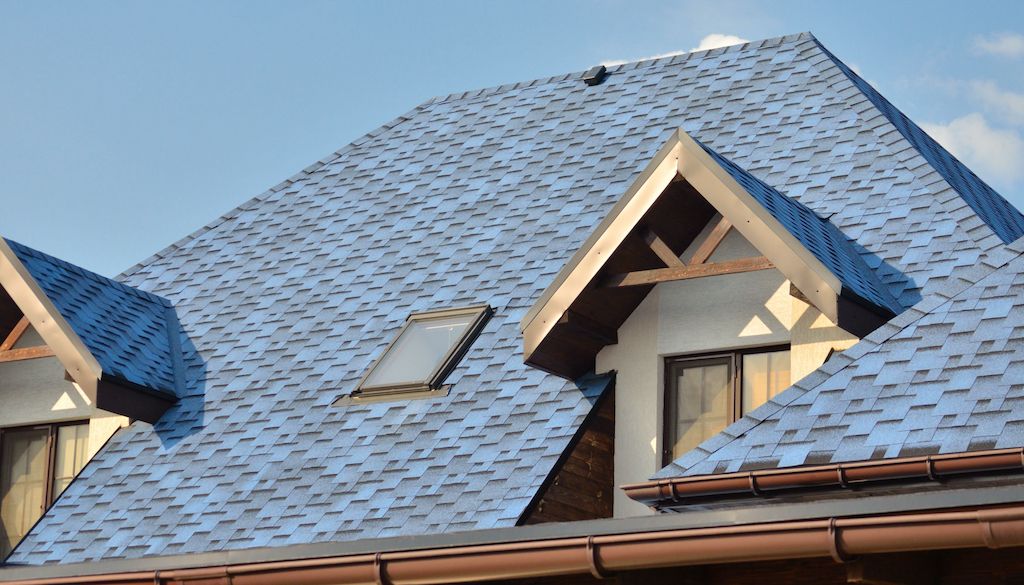
Come sun, wind, rain or even hail, your roof shingles and tiles need to stand up against the most extreme weather to keep your home safe and comfortable. A high-quality roofing system combines a system of decking, joists, trusses and insulation with shingles topping off the layers with decades — if not centuries — of tested technology.
But what type of shingle or tile is right for your roof? You’re probably familiar with asphalt shingles (which are very common), but you have your pick of everything from classic slate tiles to modern composite shingles.
Let's take a look at the pros and cons of the different types of shingles and roof tiles, their costs and what you can expect after they’re installed.
What are roof shingles?

Roof shingles and tiles are roof coverings that often overlap and layer on top of each other. While you may occasionally see metal, slate, or even sod roofs in a neighborhood, asphalt shingles are by far the most common outer roofing material.
For thousands of years, layered tile and shingle designs have helped homes stand up to weather and other outside elements. Their overlapping pattern helps prevent water from seeping into your roof, while also absorbing the force of wind and hail during a storm.
Today’s roof tiles and shingles go a step further, playing a larger role in home temperature control, preventing algae and mildew growth, and resisting fires, insects, and high winds. Materials range from asphalt and metal to wood and rubber. Each type has its own lifespan, durability, and price tag. Shingles also affect a home’s appearance and, in turn, may influence its value and curb appeal.
What are the different types of shingles and tiles?
Let’s look at the most common roof shingles and tiles today. Here’s a quick overview of how different roofing materials compare and how each one differs from the others:
1. Three-tab asphalt shingles

Many homes across the U.S. have asphalt shingles on their roofs. These shingles come in either architectural or three-tab options, along with a long list of colors and shapes.
3-tab asphalt shingles pros and cons
| Pros | Cons |
|---|---|
| Lightweight | Only lasts up to 20 years |
| Affordable | Comes with shorter warranties due to its short lifespan |
| Versatile colors and styles | Not as durable or resistant to outside elements as other roofing materials |
| Relatively simple installation process | |
| Popular and common choice among homeowners |
Three-tab shingles are usually the most cost-effective and commonly used option. One shingle looks like three separate pieces because of its cutouts. When installed, it creates a flat, cohesive look across your roof.
2. Architectural shingles

While this style uses similar materials as three-tab shingles, architectural shingles are thicker and offer a more substantial, layered look on the roof, even from the front of the house.
Architectural shingles pros and cons
| Pros | Cons |
|---|---|
| Can last up to 30 years | Costs more than 3-tab shingles |
| Adds more depth and dimension | Not as durable as other roofing materials |
| More durable and wind-resistant than 3-tab shingles | Not as environmentally friendly as other materials |
| Versatile colors and styles | Heavier than 3-tab shingles |
| More affordable than other shingles and tiles |
Homeowners may choose architectural shingles if they want to spend a bit more for longevity, better protection against extreme weather, and improved curb appeal.
3. Metal roof shingles

The term “metal roof shingles” refers to a range of metals, including steel, wrought iron, aluminum, zinc, copper, or a blend of materials. A metal roof can help keep your home cooler during hot summers, which may mean lower cooling costs. That’s because metal roofs don’t absorb heat — they reflect it.
Metal shingles can mimic more traditional looks, such as asphalt and wood, but are more durable than both materials. Metal roofs have a lifespan of 40-80 years.
Metal roofing pros and cons
| Pros | Cons |
|---|---|
| Energy-efficient | More expensive than other materials |
| Long lifespan of 40-80 years | Can be noisy during rain or hail storms |
| Highly resistant to fires | Can become dented by heavy branches, hail, and debris |
| Can stand up against extreme weather | |
| Wide variety of styles and colors | |
| Can emulate the appearance of other materials, such as cedar shakes |
Metal roofs also perform well in extreme weather. They can handle winds up to 140 mph, and withstand heavy loads of ice and snow. During wildfire season, a metal roof may protect your home better than wood or asphalt shingles.
4. Wood shingles

If you’ve always dreamed of a classic log cabin look or a wood roof atop an elegant Victorian home, wood shingles or shakes may be the answer. Wood shingles and shakes can be made from treated pine, oak, or spruce, but they are most commonly made with red cedar.
Wood shingles pros and cons
| Pros | Cons |
|---|---|
| Eco-friendly | Not as durable as heavier wood shakes |
| Has a lifespan of 25 years | More expensive than asphalt shingles |
| Classic, beautiful, and smooth appearance | More flammable than other materials |
| Resistant to wind and impact | Susceptible to mold, mildew, and moss |
| More affordable and easier to install than wood shakes | Requires regular maintenance to combat fungus, insects, rotting, and warping |
Wood shingles — not to be confused with wood shakes — have two crisply sawn edges, a thick base, and a tapered end. This option is ideal for those seeking a clean, smooth, natural look with a more organized and consistent aesthetic.
5. Wood shakes
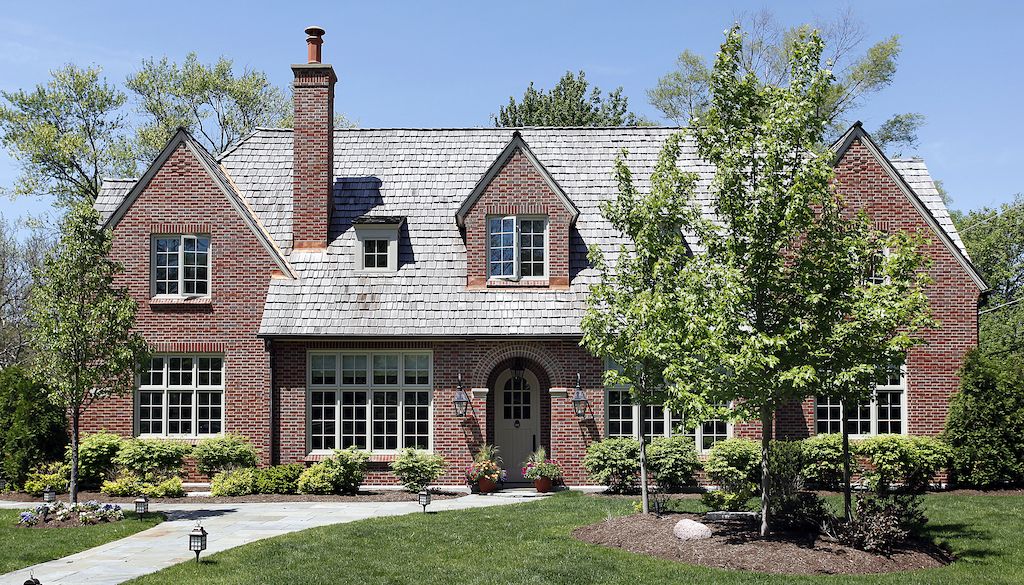
While similar to wood shingles, wood shakes create a rustic look on top of homes. Manufacturers hand-split them, leaving the wood grain visible on each side of the shingle.
Wood shakes pros and cons
| Pros | Cons |
|---|---|
| Eco-friendly | More expensive and harder to install than wood shingles |
| Has a lifespan of 25 years | Susceptible to mold, mildew, and moss |
| Thicker and more durable than wood shingles | Requires regular maintenance to combat fungus, insects, rotting, and warping |
| Beautiful rustic, highly textured appearance | Flammable and a potential fire risk |
| Resistant to wind, rain, and other outside elements |
Unlike traditional wood shingles, only one side of a shake has a smoothly sawn edge and the other is hand-split. As a result, wood shakes are thicker than wood shingles, which gives them a more rustic look and makes them more durable. Cedar shakes are often better at protecting your home against rain, heavy winds, hail, extreme heat, and more.
6. Solar shingles

While still in their infancy compared to other shingles on this list, solar shingles offer technology that can both protect and power your home. Unlike solar panels that sit on top of roofing materials, solar shingles are part of the roofing material. These innovative shingles serve two roles: providing the same insulation, protection, and decorative benefits of roof shingles while converting energy like solar panels.
Solar shingles pros and cons
| Pros | Cons |
|---|---|
| Lightweight | Costs more than traditional shingles and solar panels |
| Has a lifespan of 20-25 years | Can also be costly to repair |
| Energy efficient to help lower costs | Less efficient than solar panels |
| Fully replace traditional roofing shingles | |
| Relatively easy to install | |
| Unique and sleek appearance |
Some homeowners who want to upgrade to solar energy prefer the uniform look of solar shingles over large panels that sit on top of the roof.
7. Slate tile shingles

Natural slate tile shingles provide a classic, eye-catching, and often historic touch to a home’s architecture. They are highly durable, long-lasting, fireproof, insect-proof, and water-resistant.
Slate tile shingles pros and cons
| Pros | Cons |
|---|---|
| Has a long lifespan of 60-150 years | High costs for materials, installation, maintenance, and repairs |
| Incredibly durable against the weather | Very heavy, so your home must be structurally strong enough |
| Protects against fires, insects, and water damage | Heavy objects can damage the fragile tiles |
| Not susceptible to mold and fungus | Requires a skilled, experienced professional to install |
| Classic appearance and added curb appeal |
The Natural Slate Association outlines the various types of slate roofs. Architects may choose uniform roofs with the same shape and color or mix hues and shingle sizes for a patterned look. Natural slate roofs are often black, gray, green, purple, or red.
8. EPDM rubber roof shingles

Rubber shingles, also called EPDM rubber roofing, are made from a unique mixture of ethylene and propylene. While they can resemble other popular shingle varieties, rubber is often considered more eco-conscious, affordable, and easier to install than many alternatives.
Rubber shingles pros and cons
| Pros | Cons |
|---|---|
| Easy to repair and maintain | Shorter lifespan of 15-25 years |
| Sustainable and energy efficient | Not as attractive as other shingle options |
| Lightweight and easy to install | Cannot be installed in wet or humid conditions |
| UV, wind, fire, impact, and hail-resistant | Requires a skilled and experienced roofer to install |
| Can be more cost-effective than other roofing materials | |
| Can mimic the look of other materials like slate and wood |
Maintenance is also much easier — and therefore less expensive — than wood, asphalt, or slate shingles.
9. Composite roof shingles

As home builders learned more about shingle technology, they gained more freedom to use stronger materials for durable results. Composite shingles combine a unique mixture of synthetic, often recycled materials such as rubber, plastic, asphalt, fiberglass, and even recycled paper.
Composite shingles pros and cons
| Pros | Cons |
|---|---|
| Lightweight yet durable | Typically cost more than traditional asphalt shingles |
| Fire and wind-resistant | Do not hold up against impact as well as other varieties |
| Can last between 40-50 years | Not all composites have the highest fireproof rating |
| Often contains recycled materials | |
| Can mimic the aesthetic of other materials |
Manufacturers aim to make composite roof shingles look like traditional options — such as slate, wood shake, or asphalt — but without the common downsides of each material. It’s a modern take on the asphalt shingle, but depending on the manufacturer, a composite roof may be more eco-conscious, durable, and long-lasting. However, composite shingles are often more expensive than asphalt shingles.
10. Concrete and clay tile roof shingles

Last but certainly not least, consider installing a tile roof. While roof tiles may look similar to shingles, they are typically made of clay, concrete, or ceramic, making them one of the strongest roofing materials on the market. Builders have topped buildings with tiles for centuries for good reason.
Tile shingles pros and cons
| Pros | Cons |
|---|---|
| Has a long lifespan of 100+ years | Higher cost than standard shingle options |
| Available in many shapes, styles, and colors | Difficult to install if not properly trained |
| Can emulate wood shakes and other materials | Tiles can be brittle and damaged by impact |
| Extremely durable and fireproof | Not a DIY-friendly project; requires a skilled professional |
| Resistant to rot, moisture, mold, and insects | Can be heavy, so your home must be strong enough to support it |
| Can withstand severe weather, including wet and dry conditions |
Roofing tiles are highly durable against fire, wind, and hail and can last over 100 years when well maintained. While you’re more likely to see traditionally clay-colored tiles across the South and Midwest, you can find tile roofing almost anywhere.
Hire professional roofers on Thumbtack
Still not sure which type of shingle or tile you should choose? Contact top-rated roof contractors near you to learn more about your options. A professional can help you identify the best type of roofing material for your climate and environment.
They can also help you navigate local permit and construction laws. Most importantly, they can give you cost estimates for different materials. The cost to upgrade or replace your roof depends largely on its size, condition, and the type of shingle or tile you choose.
Start your search for a roofer on Thumbtack today. Read reviews, browse before-and-after pictures of similar projects, and start collecting price quotes.
FAQs
What are the longest-lasting roof shingles?
Clay and concrete roofs take the lead with over 100+ years of durability, according to the International Association of Home Inspectors. Slate comes in second place with an average of between 60-150 years. Metal shingles take third place, lasting up to 80 years.
What type of roof shingles are best?
Generally, you can consider these types of shingles the best for different reasons:
| Best for… | Roof shingle type |
|---|---|
| Tight budgets | Asphalt |
| Energy efficiency | Metal, solar |
| Longevity | Concrete/clay, slate, metal, composite |
| Curb appeal | Slate, metal or wood |
| Weather resistance | Metal, clay/concrete, slate |
| Fire resistance | Metal, clay/concrete, slate |
With such a wide variety of shingles to choose from, each homeowner should decide which materials work best for their budget, home design, and local climate. When narrowing down your options, consider the following questions:
- What is the size of your roof?
- What is the slope of your roof?
- Does your area experience extreme weather?
- Which shingle style matches your home’s exterior design?
- Is your home prone to mold, algae, or pests?
- How much annual upkeep would you prefer for your roof?
- What is your budget for this project?
What is the most expensive roof shingle?
The most expensive type of roof shingle is typically slate shingles. Metal shingles and wood shingles can also be pricey.
Which is better: light or dark roof shingles?
The U.S. Department of Energy highly advises tailoring your shingle color to your local climate. “Cool roofs” use light-colored shingles to reflect heat, while darker shingles absorb it.
“White roofing products stay coolest in the sun, reflecting about 60%-90% of sunlight,” states the DOE. “However, since about half of sunlight arrives as invisible ‘near infrared’ radiation, [you] can boost the solar reflectance of dark materials by using special pigments (colorants) that preferentially reflect this invisible light. Such ‘cool colored’ products typically reflect about 30%-60% of sunlight, staying cooler than conventionally colored products (though not as cool as white).”
What is the most popular roof shingle color?
Natural earth tones are by far the most popular roof shingle colors since they reflect the original materials used in building, such as clay, slate, and wood. The best color for your home depends on a few factors, including your home’s style and the color of its facade.
How it works.

Search.
Browse profiles, see prices and use filters to find pros who match your project.

Chat.
Contact the pros you like to discuss project details.

Hire.
Check pro availability and book appointments right in the app.
Find local pros for your project
Tell us what you're looking for and we'll show you pros right for the job, with prices.