

Do I need to rewire my house for an EV charger?
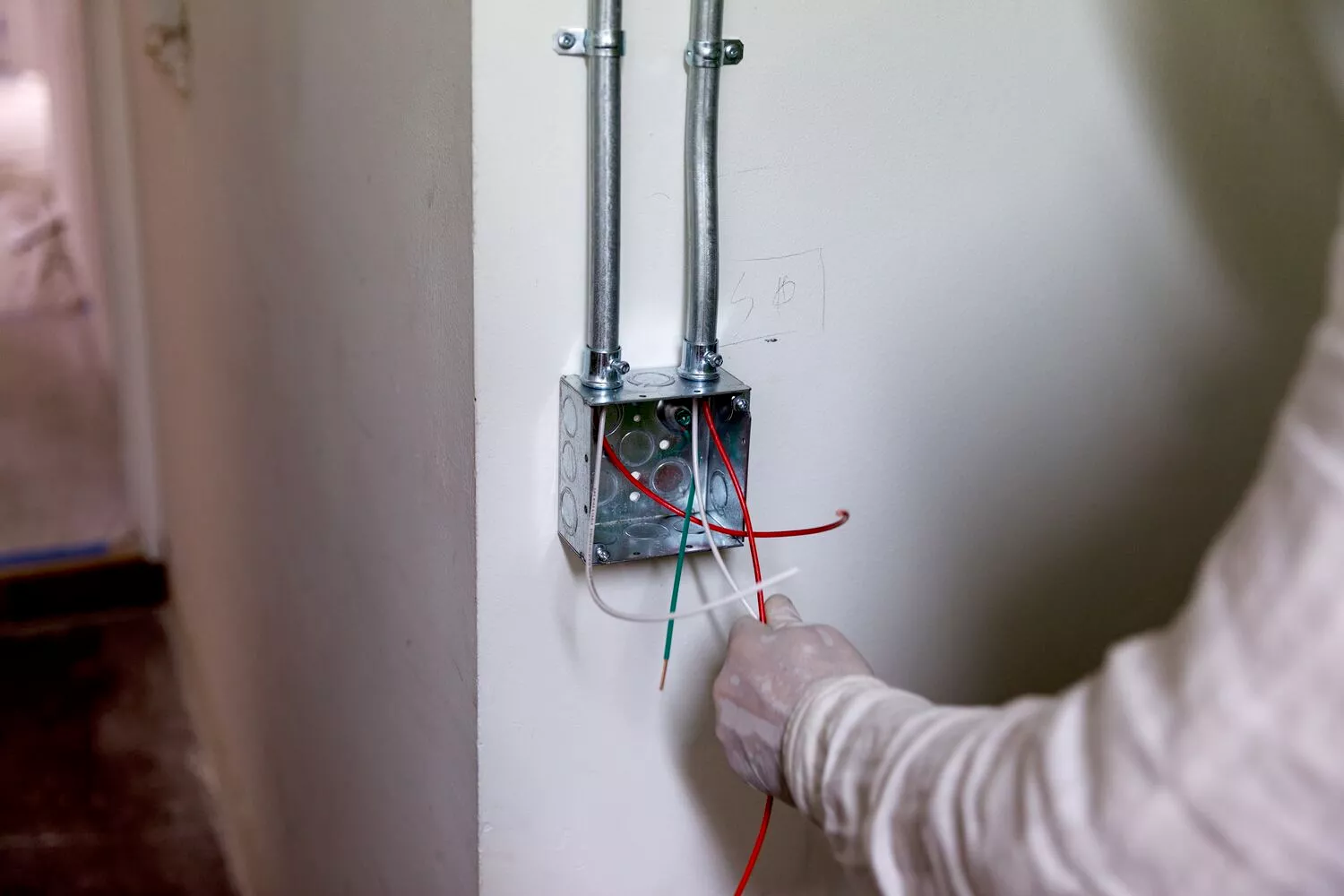
Not always, but rewiring is common. Most Level 2 chargers require a dedicated 240-volt circuit, which your panel may not support. A qualified electrician can inspect your system to see what’s needed for a safe EV charger installation.
Can a normal electrician install an EV charger?
Yes, in most cases, a licensed electrician can install an EV charger. They'll need to verify your home's electrical panel can handle the load and may have to run a new dedicated circuit. It's best to hire a professional with experience in ev charger installation to ensure it's done safely and correctly.
How do I choose the best pro to install my EV charger?
When looking for an EV installer, make sure you complete the following steps:
Verify their license and insurance: Your pro should be a licensed electrician with general liability insurance. Some may also have specific certifications for installing EV chargers. Requirements vary by region, so it’s always smart to check local regulations.
Get several estimates: A detailed estimate should break down all costs for labor, materials like wiring and conduits, and any permit fees. It should also clearly outline the full scope of work.
Read their reviews: Look for mentions of professionalism, punctuality, and clean work. Positive comments about a smooth process are also a great sign. Red flags include complaints about hidden costs or issues with the charger after the job is done.
Look at their portfolios: Check for photos of previous installations. You want to see neat wiring, a securely mounted charger, and clean work around the electrical panel.
Find out if they have warranties: The charger itself typically has a manufacturer's warranty, but a good pro often stands by their installation work.
Ask important questions: Before you hire, consider asking: Will you handle the required permits? What happens if my electrical panel needs an upgrade? Do you have experience with my specific brand of charger?
What factors can impact the cost of installing an EV charger?
There are several factors that might impact the cost of this project, including:
Charger type: The model you choose will affect the price. A Level 2 charger, which is the most common for home installation, costs more upfront than a Level 1 but charges your vehicle much faster.
Your home’s electrical system: If your current electrical panel doesn’t have enough capacity for the new load, you may need an upgrade. This can add a significant amount to the total project cost.
Installation location: A greater distance between your electrical panel and the EV charger requires more wiring and labor, which can increase the price.
Permits and labor rates: Many areas require a permit for this type of electrical work. The hourly rate for a qualified electrician can also vary depending on where you live and the complexity of the job.
Additional electrical work: If the electrician needs to run wiring through finished walls or dig an outdoor trench, they'll charge extra for labor and materials.
How long does it take to install an EV charger?
Typically, it will take a professional a few hours to install an EV charger, depending on a few factors. For example:
Charger level: Installing a Level 2 charger takes more time because it requires a new, dedicated circuit.
Electrical panel accessibility: The installation will be quicker if your electrical panel is close to the charger's location and easy to work with.
Panel upgrades: Your electrical panel may need an upgrade to handle the extra load, which adds significant time to the project.
Installation complexity: Running wiring through finished walls, ceilings, or underground is more time-consuming than a straightforward garage installation.
Permits and inspections: Your local jurisdiction may require permits or an inspection, which can add administrative time before or after the work is done.
Remember: The timeline for your project will vary depending on many factors. Always ask your pro to provide an estimate.
What should I expect when my pro is installing my charger?
During your pro’s visit, they'll typically assess your home’s electrical panel to confirm it can handle the charger’s load. They will then determine the best location for the unit and run the necessary high-voltage wiring from the panel to that spot. If they find any issues with your current system, they may need to perform electrical and wiring repairs before proceeding. Finally, your pro will mount the charger, connect it to power, and test the entire setup to ensure it’s working safely and correctly.