
How do I choose the best pro to install my HVAC system?
When looking for a professional to install your HVAC system, make sure you complete the following steps:
Verify their license and insurance: HVAC contractors should have a state license, general liability insurance, and worker's compensation. Certifications from organizations like North American Technician Excellence (NATE) are also a great sign, though requirements vary by region.
Get several estimates: A proper estimate should be a written, itemized document. It needs to include the specific equipment model numbers, labor costs, materials, and any permit fees. Vague or verbal-only quotes are a red flag.
Read their reviews: Look for comments about professionalism, punctuality, and clear communication. Positive reviews often mention that the new system runs efficiently. Be wary of multiple complaints about hidden fees or systems that needed follow-up repairs.
Look at their portfolios: Pay attention to the details in their photos of past installations. Look for clean, organized work — neat wiring, properly sealed ductwork, and level equipment.
Find out if they have warranties: Ask about two types of warranties: the manufacturer's warranty, which covers the equipment, and the contractor's warranty, which covers the installation labor. A reputable pro will guarantee their workmanship for at least one year.
Ask important questions: Ask if they will perform a Manual J load calculation to ensure the system is sized correctly for your home. You can also ask who will be doing the actual installation and what their experience level is.
What are the steps to installing an HVAC system?
HVAC installation usually involves several steps to ensure proper sizing, efficiency, and performance.
System evaluation: The pro inspects your home and calculates the correct system size.
Removal: Existing HVAC equipment is safely removed.
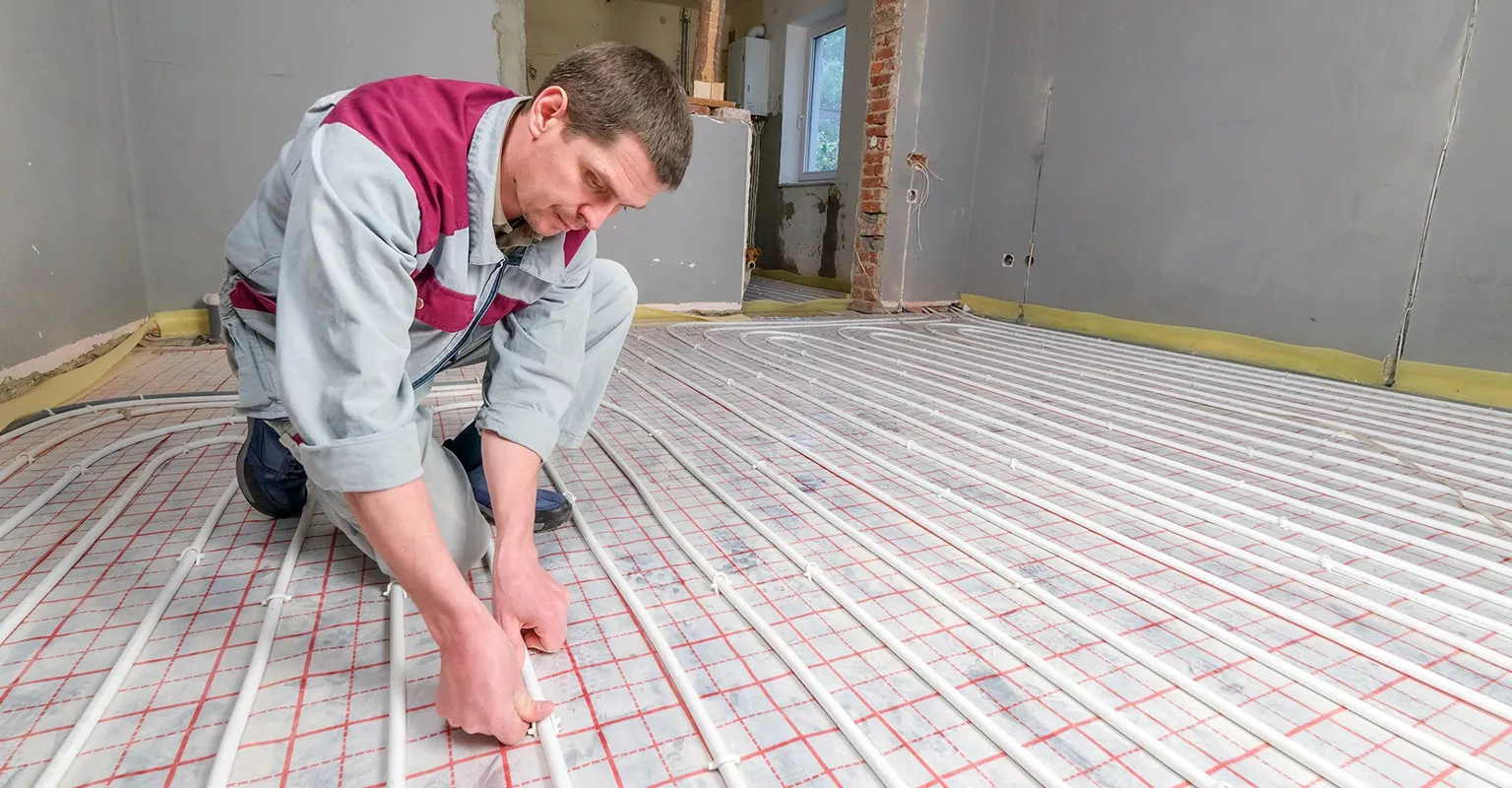
Installation: The new unit, duct connections, and components are installed.
Electrical & controls: Thermostat and electrical connections are completed.
Testing: The system is tested for airflow, efficiency, and safety.
Tip: Licensed pros often help ensure the system meets code and manufacturer requirements.
What factors can impact the cost of installing or replacing an HVAC system?
There are several factors that might impact the cost of this project, including:
System type and size: The kind of HVAC system you choose—like a central air conditioner, furnace, or ductless mini-split—and its size will be a primary cost factor. Larger homes typically need more powerful units, which cost more.
Scope of the installation: A simple replacement of an old unit is usually less expensive than a full installation in a new home. New installs often require adding ductwork, vents, and electrical wiring, which adds to labor and material costs.
Your home’s condition: The age and size of your home, plus the quality of its insulation, can play a role. A poorly insulated home might need a more powerful system to keep it comfortable, which can increase the price.
Accessibility and labor: Labor costs can vary based on how complex the job is. If an installer has to work in a tight attic or a hard-to-reach crawlspace, it may take more time and effort, which can increase the cost.
Energy efficiency rating: Units with higher energy efficiency (SEER) ratings typically have a higher purchase price. However, they can often save you money on your utility bills over the long run.
How can I save money on my new HVAC system?
Here are some cost-savings tips:
Get quotes from at least three different installers. This allows you to compare not just the price but also the proposed equipment and scope of work.
Schedule your installation during the off-season. Demand is typically lower in spring or fall, so you may find more competitive pricing and flexible scheduling.
Ensure your installer performs a load calculation to find the right-sized unit for your home. An improperly sized system runs inefficiently and can increase your energy bills.
Ask about available rebates, promotions, or federal tax credits for energy-efficient models. These incentives can significantly lower your upfront investment.
Bundle installation with a long-term maintenance plan. Regular tune-ups can prevent expensive breakdowns and keep your system running efficiently, saving you money over time.
What type of maintenance is required for HVAC systems?
Your HVAC system typically needs regular filter changes, cleaning of coils and drain lines, and checks on electrical connections. This routine care helps ensure efficient operation and can prevent unexpected breakdowns. It's a good idea to have a professional inspect your system at least once a year to catch any potential issues early.