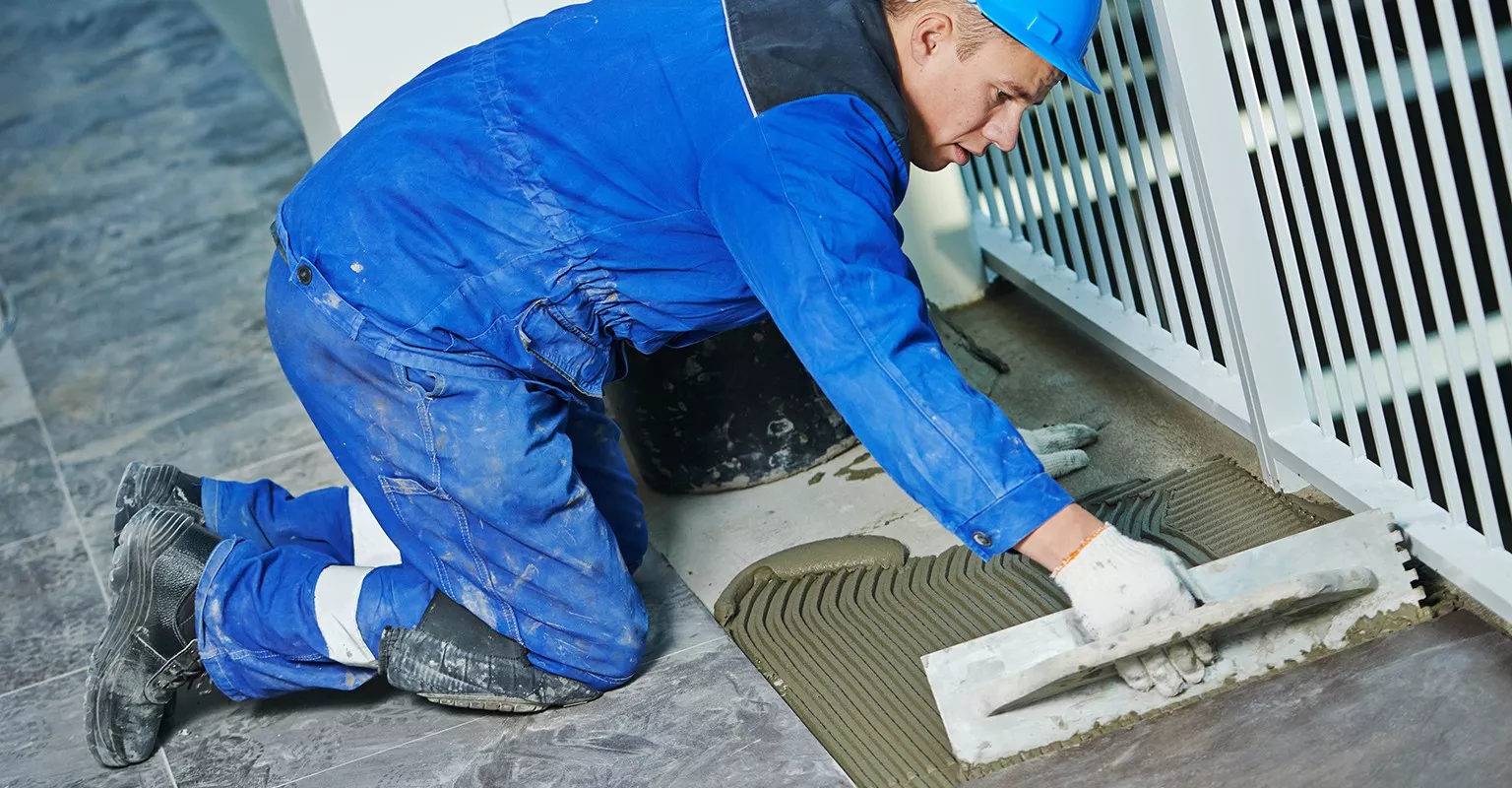

What is a person who works with marble called?
A person who works with marble is typically called a stonemason or a marble mason. These skilled craftspeople cut, shape, and install marble for various applications like countertops and flooring. You might also hear them referred to as marble contractors, especially if they manage the entire installation project.
How do I choose the best marble contractor for my project?
When looking for a professional to install or repair marble, make sure you complete the following steps:
Verify their license and insurance: Requirements for specialty licenses vary by region, so confirm what’s needed locally. Always ensure your pro has general liability and workers' compensation insurance.
Get several estimates: A proper estimate should detail all costs, including the specific marble, labor, and supplies, along with a project timeline.
Read their reviews: Look for mentions of good communication and craftsmanship. Red flags include complaints about hidden fees, messy work sites, or poor-quality finishes like uneven seams.
Look at their portfolios: Examine photos of past work for tight seams, well-matched veining, and clean edge work, especially on projects similar to yours.
Find out if they have warranties: Ask if they offer a warranty on their workmanship to cover any installation issues and get the terms in writing.
Ask important questions: How do you plan the seam placement? What steps do you take to protect my home during installation? Will you or a subcontractor be doing the work?
What factors can impact the cost of my marble project?
There are several factors that might impact the cost of this project, including:
Type and grade of marble: The specific kind of marble you choose and its quality grade are primary cost factors. Rare types with unique veining are typically more expensive.
Project size: The total square footage of the installation directly impacts material and labor costs. A large kitchen will cost more than a small bathroom vanity.
Complexity of the job: Custom cuts, special edge profiles, and the number of cutouts for sinks or cooktops can add to the labor and overall price.
Labor and location: A contractor’s experience and your geographic area influence labor rates. Difficult-to-access job sites may also increase the cost.
Additional services: The price may also include the removal and disposal of old materials, sealing the new marble, and any necessary plumbing or electrical adjustments.
How can I save money when working with marble contractors?
Here are a few tips that can help you save money on your marble project:
Get multiple quotes. You’ll want to get estimates from at least three different contractors to compare costs and ensure you’re getting a fair price for the work.
Choose a common stone. Opt for a more widely available type of marble, like Carrara, which is often less expensive than rarer, more exotic slabs.
Ask about remnants. For smaller projects like a bathroom vanity or an island top, using a remnant—a leftover piece from a larger job—can lead to significant savings.
Keep the design simple. A standard, simple edge profile is less expensive to fabricate than a complex, decorative one that requires more labor and time.
Do the prep work yourself. If you’re comfortable, you can reduce labor costs by handling tasks like demolishing an old countertop or clearing the work area before the pros arrive.
How long does it take to complete a marble installation project?
Typically, it will take a few days to over a week for a professional to complete a marble installation. There are a few factors that may impact how long it takes. For example:
Project size and complexity: Installing a small bathroom countertop is much faster than outfitting an entire kitchen with multiple surfaces.
Site preparation: Removing old materials and ensuring the underlying surfaces are level and ready can add extra time.
Custom fabrication: Intricate cuts, unique edge profiles, or complex patterns require more time at the workshop and during installation.
Accessibility of the work area: Navigating tight spaces, stairs, or difficult-to-reach areas can slow down the installation process.
Curing and sealing: The setting materials and sealant need adequate time to dry and cure before the marble is ready for use.
Remember: The timeline for your project will vary depending on many factors. Always ask your pro to provide an estimate.
What type of maintenance is required for marble surfaces?
Your marble surfaces typically need regular cleaning with a pH-neutral cleaner and prompt attention to spills. Acidic liquids like wine or citrus can cause etching, so it’s best to wipe them up immediately. To protect against stains and moisture, you’ll also want to have the marble resealed every one to three years, depending on usage.