
Is there such a thing as eco-friendly or non-toxic pest control?
Yes, eco-friendly pest control is a real approach. It focuses on solving pest problems with minimal risk to people and the environment by using methods like sealing entry points, setting traps, and applying plant-based products instead of harsh chemicals.
There's also non-toxic pest control. Instead of harsh chemicals, these methods use things like plant-based oils, diatomaceous earth, and integrated pest management (IPM) strategies. This approach targets pests while protecting your family and pets.
What's the most environmentally friendly pesticide?
There isn't one single 'most' eco-friendly pesticide, as the best choice depends on the specific pest you're dealing with. Generally, low-impact options include horticultural oils, insecticidal soaps, and biological controls. These target the problem pest specifically, which helps protect beneficial insects and the surrounding environment.
What are the signs of pests in your home?
Signs of pest infestations vary by the type of pest. Here are a few signs to watch out for when it comes to some of the most common pests:
Ants: Stray ants walking around or large numbers congregating, wood shavings, ants emerging from hidden crevices, ant nests
Rats or mice: Droppings, chewed objects and wires, scampering noises, holes in walls and floors
Cockroaches: Cylindrical droppings, brown smear marks, live cockroaches
Fleas: Small and dark spots on your pet’s skin, your pet starts scratching excessively, pepper-like “flea dirt” in bedding, carpet or furniture
Bed bugs: Droppings in the seams of your mattress, rusty/reddish stains on bed sheets, bites on your skin
Termites: Mud tubes, wood-scented droppings, small holes in walls, peeling or bubbling paint, wood damage
Bees or wasps: Excessive number of bees and wasps, dark patches on the walls or ceilings, and papery nests or hives under roof eaves, behind shutters, on balconies or in garden sheds
If you notice any of these signs in your house, contact the best exterminators near you.
What should I ask before hiring an eco-friendly pest control service?
Asking the following questions before hiring an eco-friendly pest control service can help you find the right pro for your job:
What specific eco-friendly products and methods do you use?
Are your treatments safe for children, pets, and plants?
Are you licensed and insured for pest control services?
What is your approach to Integrated Pest Management (IPM) for long-term prevention?
How long will the treatment take, and when can we expect to see results?
What does your service guarantee cover, and are follow-up visits included?
Can you provide a written estimate that details the treatment plan and all costs?
How long do you have to stay out of your house after pest control?
It depends on the type of pest control you’re receiving and what the company recommends.
For some treatments, they might recommend you leave the house for a few hours or for a few days if your home is getting fumigated. In other cases, the exterminator may tell you don’t need to leave your house at all — just stay away from the area that was sprayed with pesticide until it dries.
Before they arrive at your home, ask the exterminator if you should plan to leave your house for a certain period of time.
What should I expect during a professional eco-friendly pest control visit?
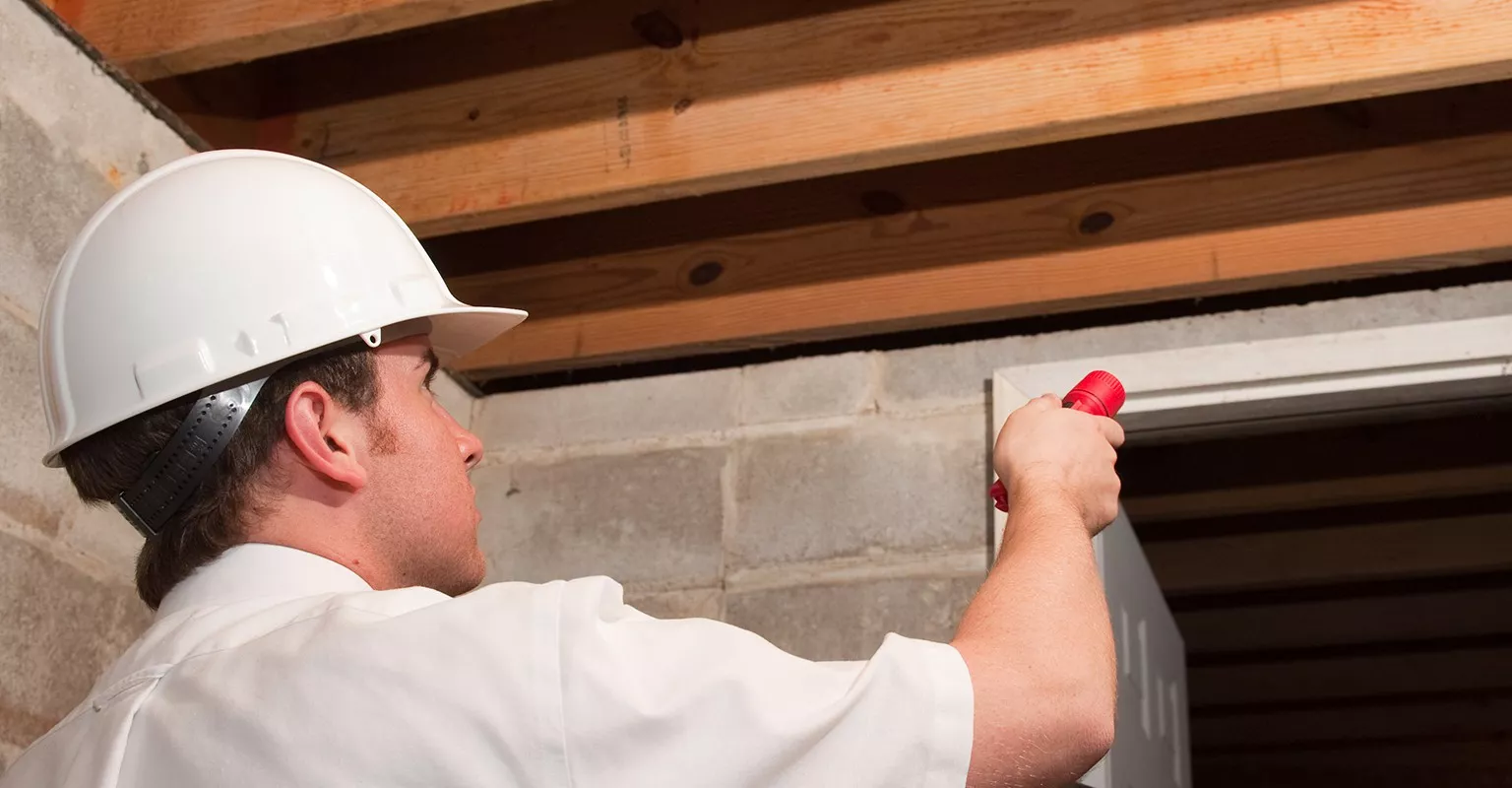
During your pro’s visit, you may expect them to start with a detailed inspection to identify the pests and their habitats. They’ll then focus on prevention, which might involve sealing entry points, removing food and water sources, or setting physical traps. If a treatment is necessary, your pro will use targeted, low-impact solutions like botanical insecticides or baits, similar to methods used in organic weed control, instead of broad-spectrum chemical sprays. They should also provide a long-term plan to help keep pests away for good.