What is the process for refinishing hardwood floors?
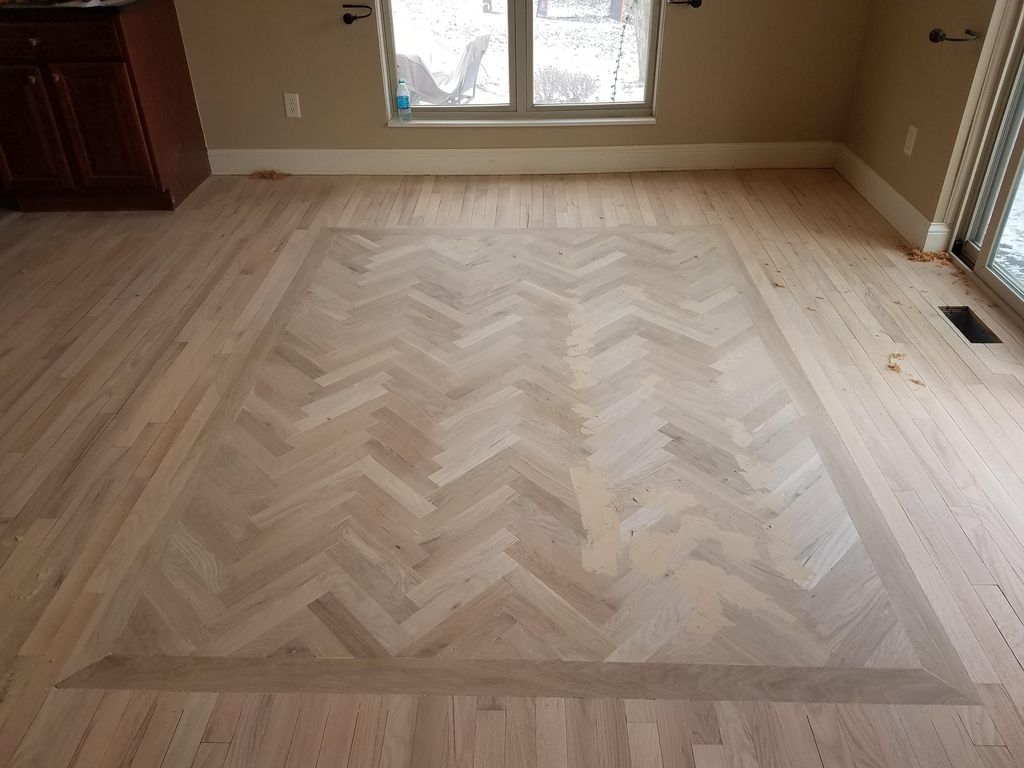
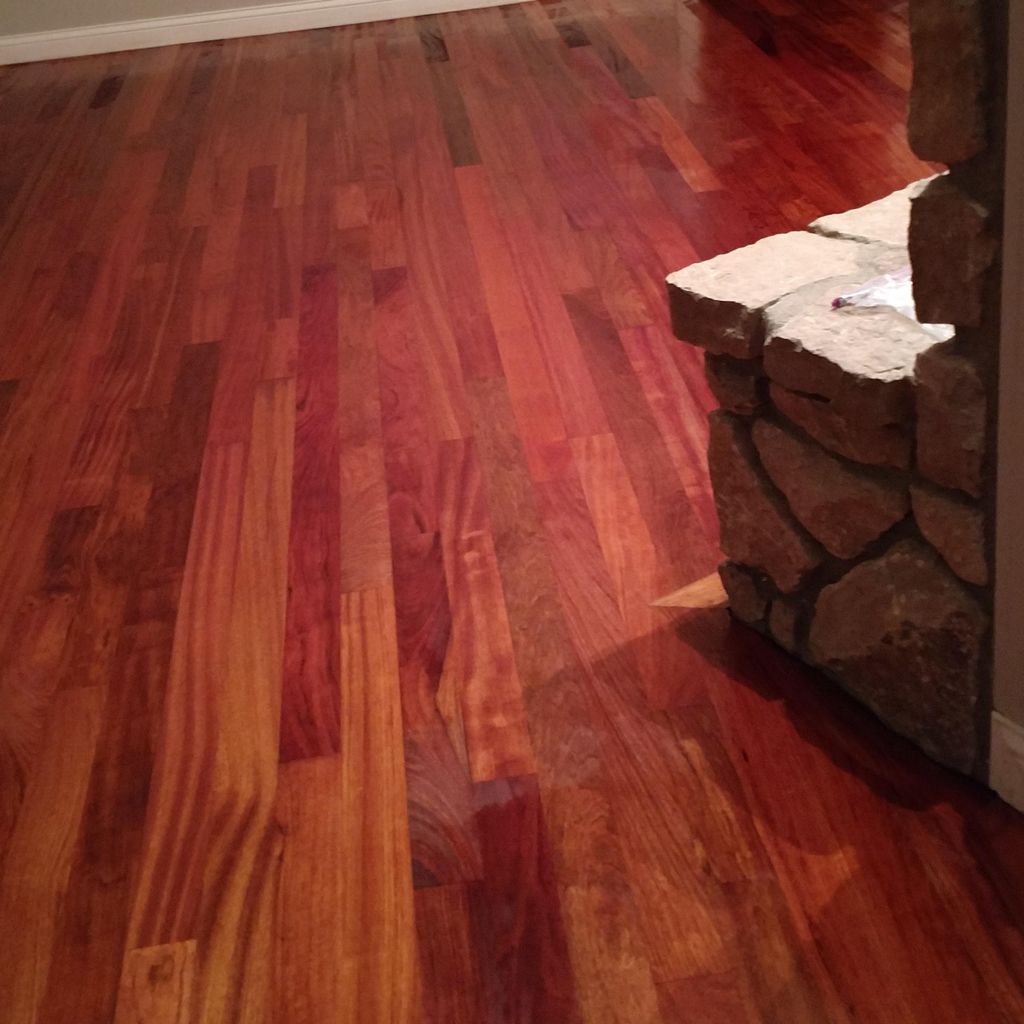
During your pro’s visit, they'll typically start by assessing the condition of your floors and preparing the room. This usually involves moving furniture and sealing off the area to contain dust. The refinishing process itself includes sanding the floors down to the bare wood, applying your chosen stain, and then adding several coats of protective finish. Be prepared for some noise and dust, though many professionals use systems to minimize it. You'll also need to stay off the floors for a period while the new finish cures. Your pro will give you full instructions as to when you can put furniture back in place and begin walking on your refinished floor again.
What are common DIY mistakes when refinishing wood floors?
Refinishing wood floors yourself can save money, but mistakes can lead to uneven results or long-term damage. Here are some of the most common DIY errors to watch for:
Skipping proper sanding: Inconsistent or insufficient sanding can leave scratches and swirl marks, or result in uneven stain absorption.
Using the wrong grit sequence: Jumping between sandpaper grits or not progressing gradually can create visible sanding lines.
Not sanding evenly: Staying too long in one spot with a drum sander can cause dips or gouges in the wood.
Poor dust removal: Failing to thoroughly vacuum and tack the floor before staining or sealing can trap debris in the finish.
Applying stain unevenly: Not wiping excess stain properly can lead to blotchy or dark patches.
Overapplying finish: Thick coats of polyurethane can cause bubbles, streaks, or extended drying times.
Ignoring drying times: Walking on or recoating floors too soon can ruin the finish.
Improper ventilation: Poor airflow can slow drying and expose you to dangerous fumes.
If your floors have deep damage, uneven boards, or moisture issues, hiring a professional may help ensure a smoother, more durable result.
What is the difference between refinishing and resurfacing hardwood floors?
Refinishing and resurfacing hardwood floors are often used interchangeably, but they can refer to slightly different levels of restoration.
Refinishing: Involves sanding down the hardwood to remove scratches, dents, stains, and old finish, then applying a new stain and protective topcoat. This restores the wood’s appearance and can even change its color.
Resurfacing (screening and recoating): A lighter process that lightly buffs or “screens” the existing finish without sanding down to bare wood, followed by applying a new topcoat. It improves shine and addresses minor surface wear but does not remove deep scratches or other damage.
Best for heavy wear: Refinishing is ideal for floors with deep scratches, discoloration, or significant damage.
Best for light wear: Resurfacing works well when the floor is dull or lightly scratched but the underlying wood is still in good condition.
If the damage goes beyond the surface finish and affects the wood itself, refinishing is typically the better option. A flooring professional can usually assess your floors and recommend the right approach.
How do I hire a hardwood floor refinishing professional?
When looking for a professional to refinish your hardwood floors, make sure you complete the following steps:
Verify their license and insurance: A reputable pro should have general liability insurance and, if they have a team, workers' compensation. Licensing requirements vary by region, so it’s a good idea to check your local regulations.
Get several estimates: A detailed estimate should break down the costs for labor, materials, and the specific type of finish they’ll use. It should also include the scope of prep work, like sanding and cleaning, and an estimated timeline for completion.
Read their reviews: Look for reviews that mention professionalism, good communication, and effective dust containment. Pay attention to comments about the quality of the finish—are there mentions of bubbles, streaks, or an uneven look? Consistent negative feedback on these points is a red flag.
Look at their portfolios: Review their before-and-after photos. Look for a smooth, even finish without blotches or streaks, and check for clean work around edges and baseboards. It’s a good sign if their portfolio includes floors similar to yours.
Find out if they have warranties: Ask if they offer a workmanship warranty. This type of guarantee may cover issues like the finish peeling or bubbling, but it usually won’t cover normal wear and tear or accidental damage.
Ask important questions: How do you control dust during sanding? What type of finish do you recommend for my home’s foot traffic and lifestyle?
How often should you refinish hardwood floors?
It’s recommended that you refinish your hardwood floors roughly every seven to 10 years, but the exact frequency depends on the amount of traffic your floors get. Key signs it's time for a refinish include scratches, bare spots, and a dulling finish. An experienced pro can typically assess your floors to determine if it's time for a refinish.
How long does it take to refinish hardwood floors?
Typically, it will take a professional two to six days to complete a refinishing job but the total time depends on several factors. For example:
The size of the area being refinished is the biggest variable, as larger spaces naturally take more time.
The current condition of your floors can also play a role, since significant damage requires extra prep work.
Some types of stains and finishes need multiple coats with long drying times in between.
Any necessary repairs, such as replacing damaged boards, will add to the overall project length.
Humidity and ventilation in your home can affect how quickly the finish cures.
Remember: The timeline for your project will vary depending on many factors. Always ask your pro to provide an estimate.
What factors can impact the cost of refinishing hardwood floors?
There are several factors that might impact the cost of this project, including:
Floor size: The total square footage of the area you’re refinishing is one of the biggest factors in the overall cost.
Current condition: Floors with deep scratches, pet stains, or water damage often require more intensive labor to repair and prepare, which can increase the price.
Staining: If you want to change the color of your wood, applying a new stain is an extra step with an additional cost.
Type of finish: The finish you choose, such as an oil-based or water-based polyurethane, can impact both material and labor costs.
Repairs: The price may go up if any boards need to be replaced or if there are underlying issues with the subfloor that need to be addressed first.
What maintenance do hardwood floors require after refinishing?
A newly refinished hardwood floor typically needs regular, gentle cleaning with a pH-neutral solution. Be sure to tend to spills immediately. To prevent scratches, use pads under furniture and avoid walking on the floor with high heels. For deeper scratches or gouges that go beyond simple upkeep, you may need professional hardwood floor repair.