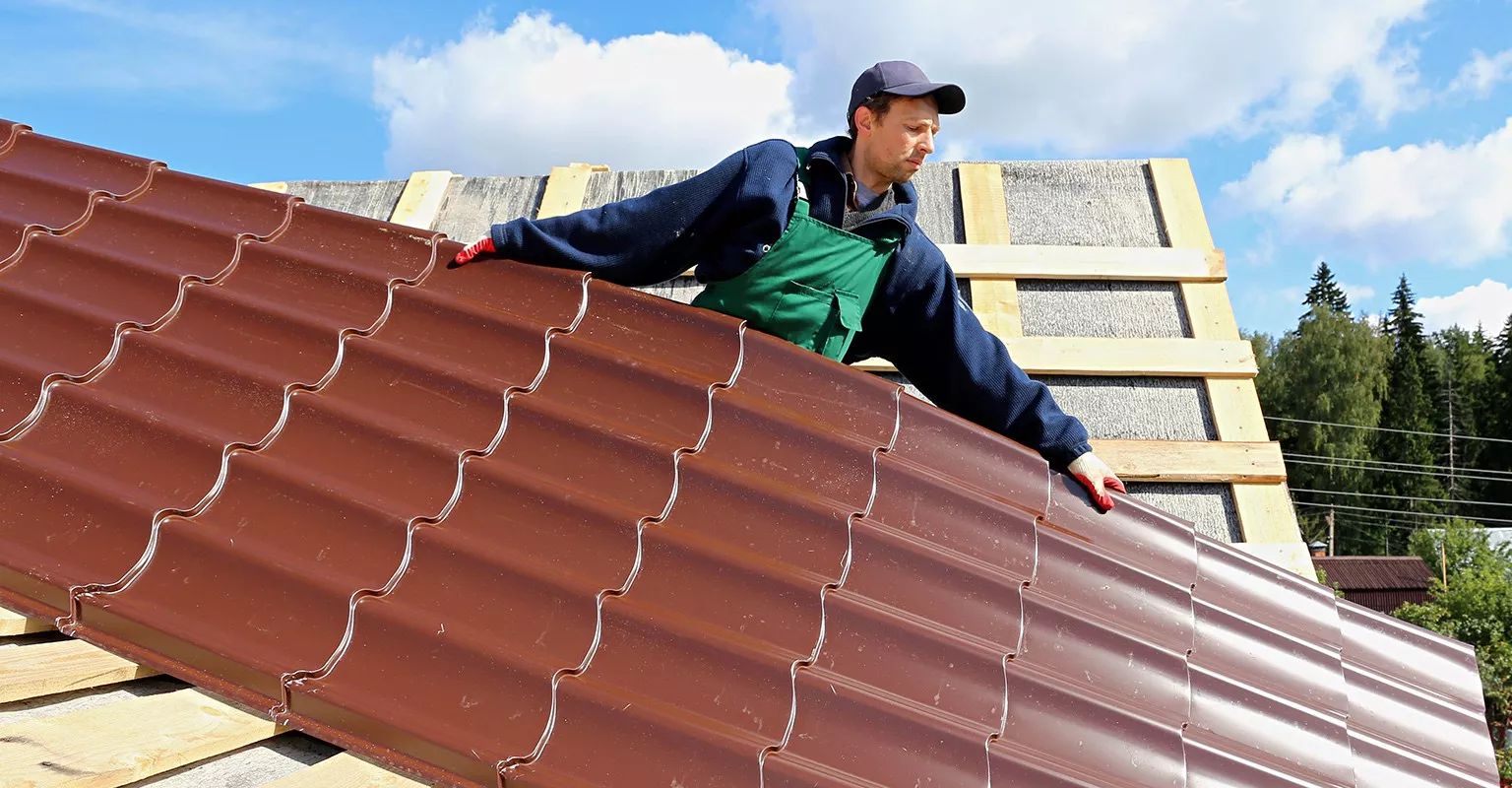

What type of contractor installs roof vents?
A roofing contractor is the professional you'll want to hire to install roof vents. They generally have the expertise and specialized tools to work safely on your roof and ensure the vents are installed correctly to prevent leaks. While some handymen may offer this service, a roofer is usually the most qualified expert for the job.
What factors can impact the cost of installing roof vents?
There are several factors that might impact the cost of this project, including:
Type and number of vents: The kind of vents you choose (like ridge, soffit, or turbine vents) and how many you need will be a major cost driver.
Roof material and pitch: Working on steep roofs or with materials like slate or metal can be more complex and time-consuming.
Roof accessibility: If your roof is difficult to access, your pro might need extra equipment, which can add to the final price.
Labor and location: The installer’s experience level and local labor rates in your area will play a part in the total cost.
Condition of your roof: If the roofer discovers any damage to the roof deck or structure that needs to be repaired before installation, the scope and cost of your project will increase.
What questions should I ask roof vent installers?
Before hiring a roof vent installer, be sure to ask these questions:
Are you licensed, bonded, and insured?
What type of roof vent do you recommend for my home and climate, and why?
Can you provide a detailed, itemized quote covering all labor and material costs?
What is your experience installing vents on my specific type of roof?
How long will the installation take, and what does the process involve?
How will you seal the new vent to ensure it’s completely leak-proof?
Do you offer a warranty on your workmanship and on the vent itself?
What happens when a roof is not properly vented?
When a roof isn’t properly vented, heat and moisture can become trapped in the attic. Excess heat can cause shingles to age and deteriorate faster, shortening the roof’s lifespan. Moisture buildup may result in mold growth, wood rot, and damaged insulation. Poor ventilation can also increase energy costs by making it harder to regulate indoor temperatures. In colder climates, improper venting can contribute to ice dams, which may cause leaks and water damage.
Can you add roof vents to an existing roof?
Yes, roof vents can typically be added to an existing roof. Professionals can usually cut openings in the roof, install the vent, and properly flash and seal it to prevent leaks. The type and placement of the vent depend on your roof design, attic layout, and ventilation needs. Having a professional handle the installation can help ensure the vent is correctly positioned and weatherproofed to improve airflow, reduce moisture buildup, and help regulate attic temperatures.
How long does it take to install a roof vent?
Typically, it’ll take a professional a few hours to install a roof vent, depending on a few factors. For example:
Type of vent: The kind of vent being installed — such as a ridge, soffit, or turbine vent — can affect the complexity of the job.
Roof characteristics: Your roof's material and pitch can make the installation more challenging and time-consuming.
Accessibility: Difficult-to-reach installation areas may require extra time and safety equipment.
Number of vents: The total number of vents you need installed will directly impact the overall project duration.
Roof condition: If a roofer finds any underlying damage that needs repair, it will add time to the project.
Remember: The timeline for your project will vary depending on many factors. Always ask your pro to provide an estimate.