

How do I hire an animal removal service?
When looking for an animal removal pro, make sure you complete the following steps:
Verify their license and insurance: Requirements vary by region, but look for a wildlife control operator (WCO) permit or similar state-issued license. They should also carry general liability insurance to cover any potential property damage.
Get several estimates: A proper estimate should detail the full scope of work, including the initial inspection, the proposed removal method, any necessary repairs to prevent reentry, and cleanup. Some jobs may also require services like junk removal for contaminated insulation or nesting materials.
Read their reviews: Look for reviews that praise the professional’s humane methods, communication, and effectiveness. Red flags include complaints about animals returning quickly, hidden fees, or poor communication.
Look at their portfolios: They should show examples of their exclusion work, like sealed vents or repaired siding. Photos of the types of traps they use can also give you a sense of their methods.
Find out if they have warranties: Many pros offer a warranty on their exclusion work, guaranteeing that animals won’t reenter through the areas they sealed.
Ask important questions: Before hiring, ask: "What methods do you use, and are they humane?", "What’s your plan to prevent animals from returning?", "Do you handle repairs and cleanup?"
What factors can impact the cost of animal removal?
There are several factors that might impact the cost of this project, including:
Type and number of animals: The cost can vary based on the species of animal and how many need to be removed. A single squirrel is typically less difficult to handle than a family of raccoons in the attic.
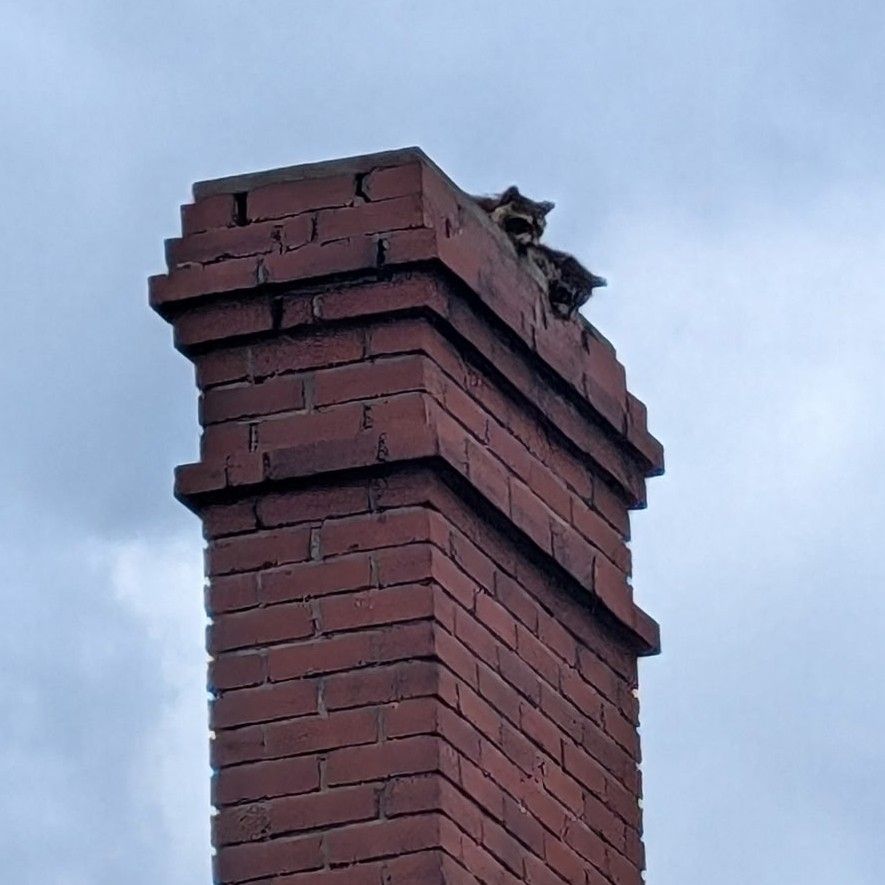
Location and accessibility: Where the animal is located plays a big part. An animal in an open yard is easier to deal with than one in a hard-to-reach spot like a chimney, crawl space, or inside a wall.
Removal method: The techniques required can affect the price. Humane live trapping and relocation, for example, may cost more than basic exclusion methods.
Damage repairs: If the animal has done any damage, such as chewing through wires or tearing up insulation, the cost of repairs will be added to the total.
Cleanup and decontamination: After removal, the area typically must be cleaned and sanitized to remove droppings, nests, and odors. This might also involve services like junk removal for any contaminated debris.
How long will it take a pro to remove an animal from my property?
Typically, it’ll take one to three days for a professional to remove a wild animal, but the exact time depends on a few factors. For example:
The type of animal involved can affect the methods and time required for safe and effective removal.
Animals in hard-to-reach areas like attics, chimneys, or inside walls will take longer to access and remove than those in open spaces.
Removing a single animal is typically faster than addressing a whole family or a larger infestation.
Some situations allow for immediate removal, while others may require setting traps and returning for retrieval.
If the animal has caused damage that requires cleanup, sealing entry points, or repairs, this will add time to the job.
Remember: The timeline for your project depends on several variables. Always ask your pro to provide an estimate.
What steps should I take before the animal removal service arrives?
Before your animal removal pro arrives, take these steps to ensure a safe and efficient appointment:
Step 1: Secure the area. Keep children and pets away from the animal and the immediate vicinity. This helps ensure everyone’s safety.
Step 2: Don't interact with the animal. Avoid any attempts to trap, feed, or handle the animal yourself. Professionals have the tools and training to manage the situation safely.
Step 3: Provide clear access. Make sure there is an unobstructed path to the location of the animal. This will help your pro get to work quickly and efficiently.
Step 4: Gather information. If you can do so from a safe distance, note the animal's location, its behavior, and any possible entry points you've noticed. Sharing these details will help your pro develop a plan.
Step 5: Contain the problem. Close any interior doors to help prevent the animal from moving to other parts of your home while you wait for your pro to arrive.
How can I prevent wild animals from returning to my property?
You'll typically need to perform preventative maintenance to keep animals from returning. For example, regularly inspect sealed entry points, such as vents or gaps in the foundation to ensure they’re still secure. You should also remove potential attractants like unsecured trash or pet food, and keep tree branches trimmed and away from your home.
Who do you call for unwanted animals or animals left outside?
Animal removal services are for nuisance wildlife or dead animals, not unwanted pets. A pro can humanely trap and relocate live animals based on local laws or safely dispose of deceased ones. For help rehoming a pet, you should contact a local animal shelter or rescue group.
If you see a stray domestic animal like a cat or dog, reach out to your local animal control or humane society. For wild animals that are sick, injured, or causing a problem, it's best to contact a professional animal removal service. They're trained to handle the situation in a way that's safe for you and the animal.