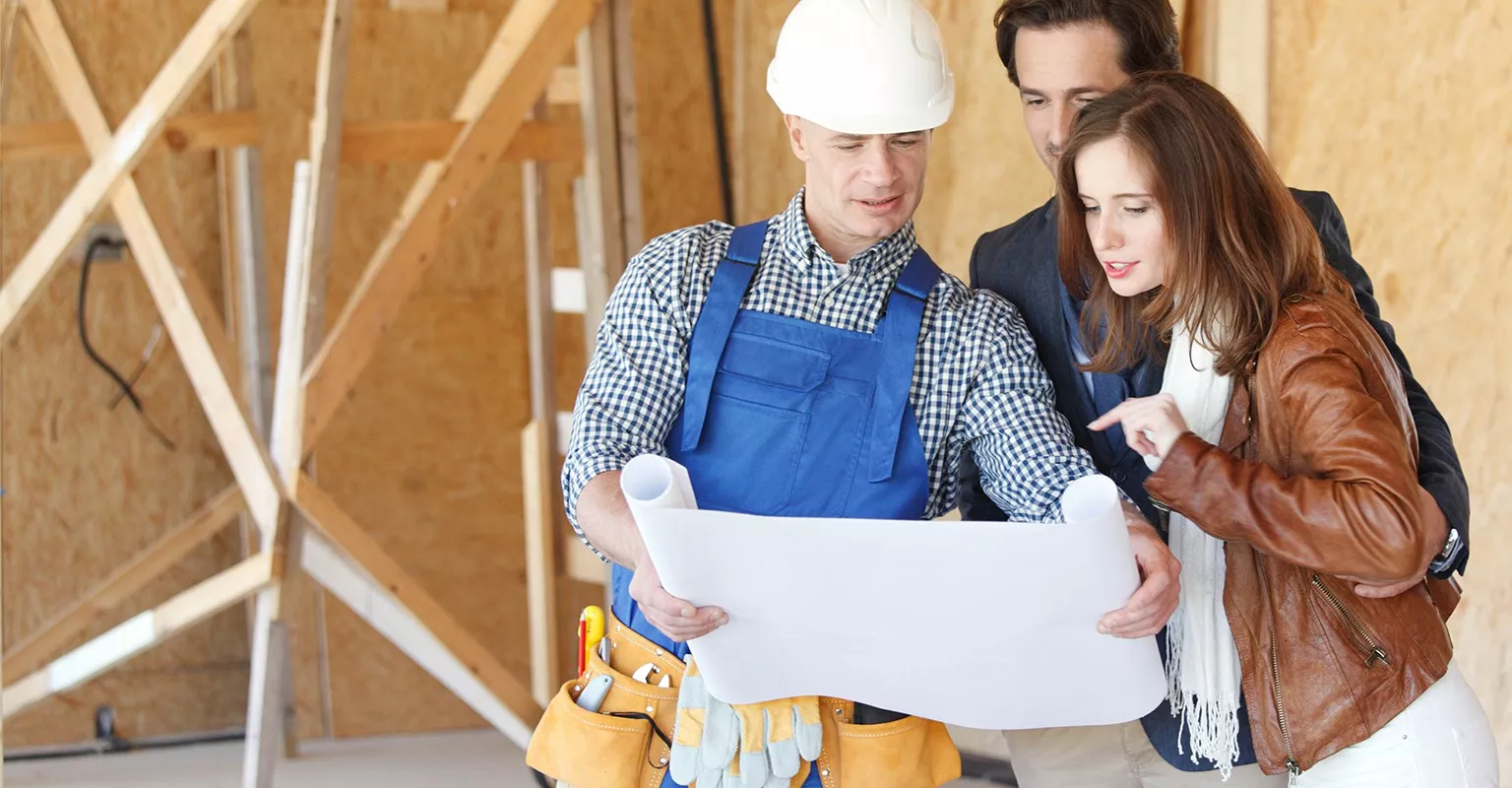
How do I choose the best professional house builder?
When looking for a professional to build your house, make sure you complete the following steps:
Verify their license and insurance: A house builder should have a general contractor’s license and carry both general liability and workers' compensation insurance. Specific requirements vary by region.
Get several estimates: A proper estimate for a new home should be a detailed, itemized document that breaks down costs for labor, materials, permits, and subcontractor fees, along with a project timeline.
Read their reviews: Look for comments that praise the builder's communication, ability to stay on budget, and quality of work. Red flags include complaints about major delays, surprise costs, or poor craftsmanship.
Look at their portfolios: Review photos of completed homes, not just designs. See if they have experience building in the style you want and pay close attention to the quality of the finish work.
Find out if they have warranties: Many builders offer a warranty that may cover workmanship and materials for one year and major structural issues for up to ten years.
Ask important questions: Before hiring, ask questions like, “How do you handle project changes or unexpected costs?” and “Who will be my main point of contact throughout the build?”
How long does it take to build a custom home?
Typically, it will take ten to sixteen months for a professional to complete a custom home building project. There are a few factors that may impact how long it takes. For example:
Finalizing architectural plans and making key design decisions can take several months before construction even begins.
The timeline for securing necessary building permits from your local government can vary widely and sometimes cause delays.
Preparing the land, especially on a challenging or sloped lot, may add extra time for excavation and foundation work.
Inclement weather, from heavy rain to snow, can pause exterior work and disrupt the overall schedule.
Supply chain issues or the availability of specific materials and skilled labor can have a ripple effect on the project's progress.
Remember: The timeline for your project will vary depending on many factors. Always ask your pro to provide an estimate.
What is a typical builder's fee?
A builder's fee is typically 10% to 25% of the total project cost. This percentage covers their overhead and profit for managing the construction, whether it's a full house or a smaller job like a garage building. The final rate can depend on the project's complexity and your location.
What questions should I ask before hiring a custom home builder?
Some good questions to ask a custom home builder include:
Can I see your portfolio and speak with a few recent clients?
Are you licensed and fully insured to build in my area?
What does your design-build process look like from start to finish?
How do you handle budget changes, and what is your process for change orders?
Who will be my main point of contact, and how often can I expect project updates?
What kind of warranty do you provide on your work after the home is complete?
How do you choose your subcontractors, and are they also licensed and insured?
Is it cheaper hire a builder or act as an owner-builder?
It can be cheaper to act as an owner-builder because you may avoid some builder overhead and markup. However, it often comes with added costs and risks that can cancel out the savings. Consider the following:
Potential savings: You manage hiring subcontractors, scheduling, and buying materials directly.
Common added costs: Mistakes, delays, permit issues, rework, and higher-priced “last-minute” materials.
Time & responsibility: You’ll coordinate trades, inspections, deliveries, and quality control.
Financing & insurance: Loans, warranties, and coverage can be harder to secure without a licensed builder.
Bottom line: Owner-building may cost less if you have experience, time, and strong project management skills. Otherwise, hiring a builder can be more predictable and cost-effective.
What factors can impact the cost of building a house?
There are several factors that might impact the cost of this project, including:
Size and complexity. A larger home with multiple stories or a complex architectural design generally costs more to build than a smaller, simpler one.
Materials and finishes. The quality of materials is a major cost driver. High-end options for roofing, flooring, countertops, and fixtures will increase the budget compared to standard finishes.
Site conditions. The state of your land matters. A lot that needs significant clearing, grading, or new utility hookups will add to the overall project cost.
Location. Labor rates, material costs, and permit fees can vary significantly based on your region, directly impacting the final price.
Custom features. Add-ons like a finished basement, a large deck, professional landscaping, or a separate garage building will increase the total cost.
How can I save money on my new house?
Here are some cost-savings tips:
Plan everything in advance. A detailed and finalized blueprint before construction begins helps prevent expensive mid-project changes and delays.
Opt for standard materials and sizes. Custom-made windows, doors, and fixtures are often pricier than stock options that are readily available.
Get multiple bids from different builders. Comparing several detailed quotes will give you a clearer picture of fair market rates, and understanding the factors that influence home building cost can help you evaluate them.
Keep the design simple. Complex rooflines, unusual shapes, and large open-concept spaces can increase both material and labor costs, so a simpler footprint can lead to big savings.
Do some of the labor yourself. If you’re comfortable, you can take on tasks like painting, installing flooring, or landscaping yourself to reduce labor charges.
What are the stages of building a new home?
Building a house follows a series of planned steps to move from design to move-in.
Planning & design: Choose a lot, create house plans, set a budget, and secure financing.
Permits & approvals: Obtain building permits and schedule required inspections.
Site prep & foundation: Clear the land, install utilities, and pour the foundation.
Framing: Build the home’s structure, including walls, roof, and floors.
Rough-ins: Install plumbing, electrical, and HVAC systems.
Interior & exterior finishes: Add insulation, drywall, flooring, cabinetry, siding, and roofing.
Final inspections: Complete inspections, fix punch-list items, and move in.
Tip: Working with a licensed builder helps keep the process on schedule and compliant with local codes.