What's the best flooring for kitchens?
By Christopher Dean•Last updated Nov 12, 2021
Last updated Nov 12, 2021
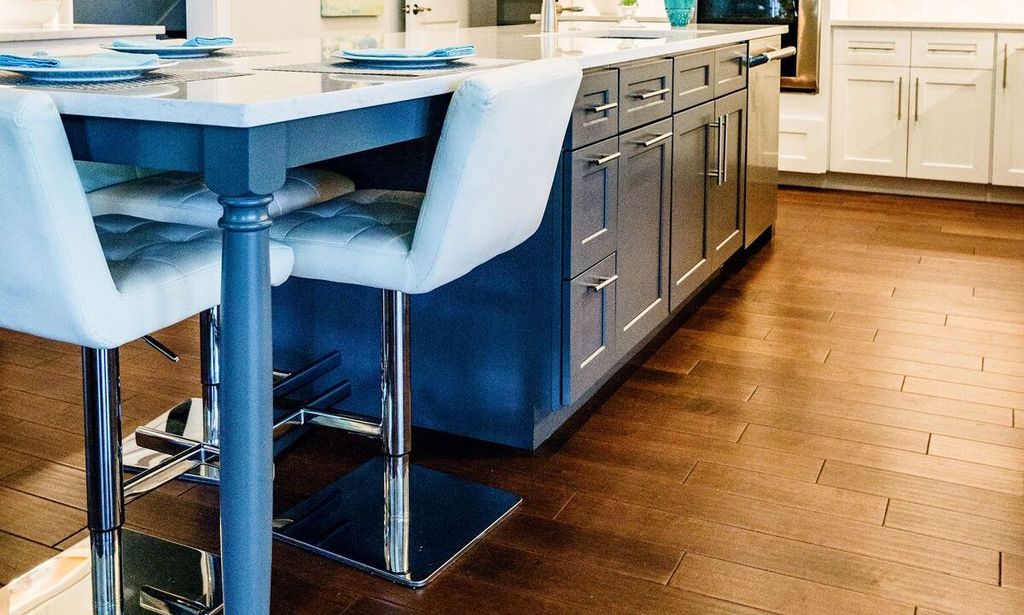
If your kitchen is in need of an upgrade or if the floors are damaged beyond repair, it may be time to replace your kitchen floors. But should you choose the same material you’ve had all along — or is it time to try something different?
When it comes to kitchen flooring, two things matter most:
- It should be durable and stand up to spills, stains, dents from dropped pans, and other hazards.
- It should look good. A sleek, updated, practical kitchen floor can make a strong design statement and earn compliments from guests and family members.
If you’re remodeling your kitchen and want to explore your options, keep reading. This guide covers plenty of kitchen flooring choices to consider.
Kitchen flooring considerations
Not all flooring materials are well-suited for kitchens. The best flooring for kitchens lasts longer and needs less maintenance. When comparing options, pay attention to style, function, and comfort. Here are the key factors to keep in mind when shopping for kitchen flooring materials.
Durability and moisture resistance
A kitchen flooring project is a major investment in both time and money. Naturally, you want floors that will last and continue looking good for years. Kitchen floors get a lot of wear and tear, so the ideal material should stand up to spills, drips, heat, high traffic, and dropped pans and pots.
Some of the most popular kitchen flooring types for durability and moisture resistance include tile, vinyl, laminate, and concrete.
Aesthetics and style
If you spend a lot of time in the kitchen, you’ll want flooring that fits your style and décor. Think about whether the floor matches the colors of your counters, cabinets, backsplash, and walls. Also decide whether you want the floor to be a focal point or a neutral backdrop.
Are your existing kitchen floors outdated? Some modern kitchen floor ideas include:
- Cork flooring
- Stained concrete
- Luxury vinyl plank flooring
- Chevron or herringbone wood or vinyl designs
Maintenance needs
Let’s be honest: not many people love to clean, seal, or refinish floors. You probably want flooring with lower maintenance needs. A poor choice can leave you spending a lot of time scrubbing and worrying about stains.
Some important upkeep considerations for different floors include:
- Tile grout needs periodic special cleaning to remove stains and be sealed.
- Hardwood floors typically need recoating or refinishing.
- Concrete flooring requires little or no maintenance, but you should wipe up spills quickly before they stain.
Budget
For most homeowners, budget is a critical factor when choosing kitchen flooring. Research flooring costs before making a decision. If your budget doesn’t allow for the flooring you really want, choose a more cost-effective alternative. However, avoid materials with extremely low prices. Flooring that costs too little may not hold up under pressure and can force you to replace it sooner.
Here’s a look at how much kitchen flooring costs, depending on the material:
| Material | Estimated cost |
|---|---|
| Bamboo | $4.75-$9.50/sq. ft. |
| Concrete | $3.00-$10.00/sq. ft. |
| Hardwood | $4.00-$10.00/sq. ft. |
| Laminate | $3.00-$7.00/sq. ft. |
| Solid wood | $5.00-$10.00/sq. ft. |
| Stone | $5.00-$10.00/sq. ft. |
| Tile | $2.50-$25.00/sq. ft. |
| Vinyl | $1.50-$7.00/sq. ft. |
Best kitchen flooring options to consider

From tile to hardwood, you have many options for kitchen floors. Here are some of the best kitchen flooring materials:
Ceramic tile
Ceramic tile is a top kitchen flooring option because it is durable and impervious to water and stains. It’s also resistant to heat and breakage and can withstand high traffic and common kitchen hazards.
Ceramic tile comes in many colors and patterns, so it’s easy to find a style that complements your home décor. It also comes in a wide range of shapes and sizes, giving you plenty of design options. If you can’t find a ceramic tile in the color or design you want, you can opt for its cousin — porcelain tile.
Porcelain tile
Porcelain tiles offer exceptional strength, durability, and beauty. Known for being highly uniform, dense, and less porous, porcelain is a great option for kitchen floors. It’s also available in many shapes and styles, which is why some homeowners prefer it over other materials.
Vinyl
Vinyl is a practical choice that can handle the demands of a busy kitchen. Choosing a durable flooring material like vinyl means you won’t have to worry as much about spills, dropped pots, and water.
Vinyl can also achieve the look you want with extra comfort and appeal at a much lower cost than many other options. There are vinyl products for different budgets, from more affordable options to luxury vinyl tiles (LVT) that include multiple layers of cushion for a longer lifespan and softer feel.

Concrete
When it comes to durability, longevity, and cost-effectiveness, concrete is a great option for kitchen floors. It can also be more decorative than you might expect. You can add color, patterns, textures, and polish.
Keep in mind that concrete is hard. If you tend to drop dishes, they’ll likely shatter on concrete floors. And if spills are common in your kitchen, be careful — concrete floors can be especially slippery.
Natural stone
If you want a durable and luxurious kitchen flooring option, consider natural stone. Natural stone has a high-end look that can appeal to buyers when you decide to sell your home.
Natural stone flooring materials offer several benefits, including scratch resistance and long-term durability. Some of the top options in this category include granite, slate, and limestone.
Laminate
Laminate flooring is an extremely versatile option for your home. It comes in different patterns, colors, and textures, making it a good choice for homeowners who don’t want to pay a higher price for real wood floors. Laminate floors also hold up well against scratches.
The main thing to watch for is moisture. Wipe up spills quickly before the moisture sets in and warps your floor.
Hardwood
Hardwood floors are arguably one of the most popular kitchen flooring materials for many homeowners in America. Hardwood is, by nature, a highly durable option that can withstand a lot of kitchen wear.
For a long time, though, this material was considered a poor choice for kitchens and bathrooms because it is susceptible to moisture in its natural state. Fortunately, there are steps you can take to make hardwood work in your kitchen. For example, apply a polyurethane sealant every four to six years. Choose unfinished planks over prefinished planks to help protect against spills. And, of course, stay on top of cleaning and maintenance.
Search for a kitchen flooring pro on Thumbtack
Although many floor installation projects can be turned into DIY projects, it’s usually best to leave them to professionals — especially if you’re inexperienced. Use Thumbtack to find kitchen flooring professionals with good reviews, plenty of experience, and the right expertise for this home improvement project.
How it works.

Search.
Browse profiles, see prices and use filters to find pros who match your project.

Chat.
Contact the pros you like to discuss project details.

Hire.
Check pro availability and book appointments right in the app.
Find local pros for your project
Tell us what you're looking for and we'll show you pros right for the job, with prices.