7 common causes of holiday house fires
By Kimberly Zackowski•Last updated Nov 21, 2022
Last updated Nov 21, 2022
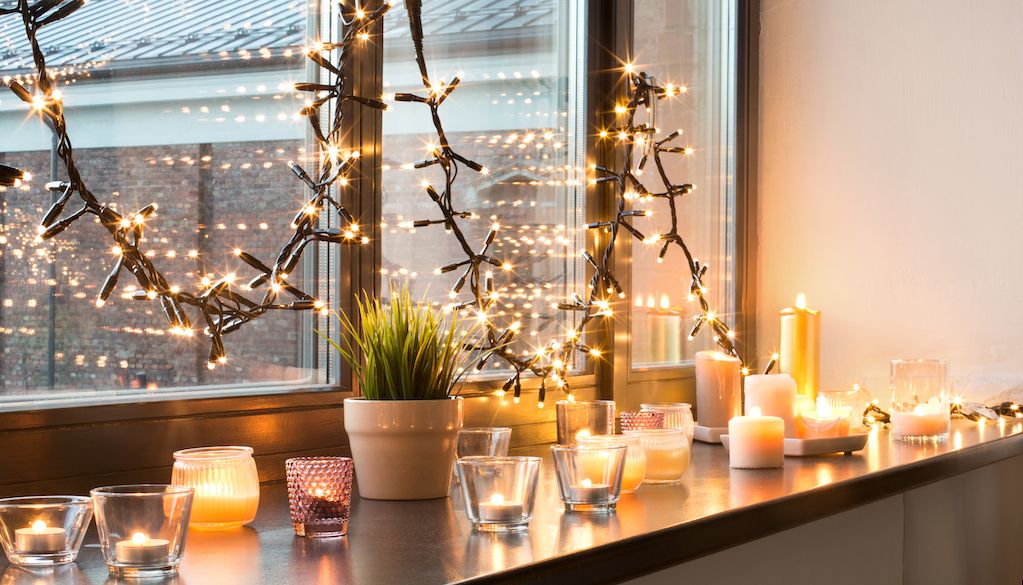
The holidays are a favorite time of year, full of fun activities and festive gatherings with family and friends. Whether your plans involve having people over, cooking an elaborate feast, or spending quiet time savoring the sights and sounds of the season, make safety a top priority.
For property owners and renters, the period between Thanksgiving and New Year's Day is a dangerous time in terms of fire risks. Holiday house fires can cause extensive property damage and serious, potentially life-threatening injuries.
Preventing a house fire during the holidays starts with understanding what can cause them in the first place. Keep reading to see what you can do to stay safe during the holiday season.
Where do house fires most commonly start?
The most common places where house fires start include:
- In the kitchen, particularly near ovens and stove burners.
- In the living room, where two out of every five home Christmas tree fires start.
- Near heat sources, such as fireplaces, wood stoves, space heaters, and heating vents.
- Near wiring and electrical outlets, often due to frayed wires and damaged or overloaded circuits.
In addition to these areas in your home, holiday home fires also occur in the living room. Unfortunately, while the holidays are typically the most festive time of year, they’re also when house fires are most likely to happen. Read on to find out why.

How many fires happen during the holidays?
Whether you own your home or live in an apartment or other rental property, be aware of fire risks. The American Red Cross reports that of the 74,000+ disasters they respond to each year, more than 90% are house fires. These can be devastating, causing millions of dollars in property damage and tragic loss of life.
December and January are peak months for home fires. More time spent in kitchens and greater demands on heating and electrical systems make house fires more likely throughout winter, particularly during the holiday season.
When it comes to holiday house fires, this fact sheet from the American Red Cross offers some shocking statistics:
- Close to 50,000 house fires happen each year during the holiday season.
- Holiday house fires claim the lives of more than 500 people each year and leave 2,200 injured.
- Property damage from house fires over the holidays is estimated to cost more than $550 million per year.
Biggest home fire hazards during the holidays
To protect yourself and the people you love, be aware of how home fires can happen and the steps you can take to reduce the risks. The following are seven common causes of house fires during the holiday season:
1. Lighting displays

While twinkling lights can be fun year-round, they’re especially festive during the holiday season. Damaged wires, overloaded outlets, and mishandled lights can cause an electrical fire.
Here are a few simple precautions when setting up displays:
- Use the right lights for the job. Use indoor lights in your home only and never for outdoor displays.
- Check for damage. Replace any broken bulbs, and throw away lights that show signs of fraying or loose wiring.
- Avoid overusing extensions. Follow the package instructions regarding the maximum number of lights you can string together safely.
- Use a timer. Ensure all lights are unplugged while you’re away from home and when you go to bed.
- Turn off the lights before bed. Use a timer or manually shut down the lights at the end of the day.
- Hang lights with the proper equipment. For example, using nails may damage your string light. Use clips instead. If you’re not sure how to correctly hang holiday lights, hire a professional near you.
2. Christmas trees

Setting up and trimming a Christmas tree is a favorite tradition for many people; however, failing to take a few simple precautions significantly increases holiday fire risks. On average, one of every 22 home fires started by Christmas trees results in death, reports the American Red Cross.
Remember: when trees become dry, they also become a fire hazard. If you place your tree too close to a heat source, you risk starting a fire. Here are the most important fire prevention tips when putting up a Christmas tree:
- Think carefully about your setup. The National Fire Protection Association reports that roughly 1 out of every 5 Christmas tree fires were caused by setting up too close to heat sources.
- Give it space. Your Christmas tree should be at least 3 feet away from fireplaces, wood stoves, space heaters, radiators, candles, and heating vents.
- Avoid holiday string light hazards. Take the same precautions when stringing lights on your tree as with other holiday light displays. Avoid overloading extensions, use indoor (not outdoor) lights, turn off the tree’s lights before bed, and replace damaged light sets. Always read the instructions before you start wrapping lights around your tree.
- Keep live trees well-watered. Check the water levels daily, and take your tree down promptly at the end of the season or when it gets dry.
3. Candles

Candles create a cozy, romantic ambiance during the holiday season. You may decide to use them to dress up your fireplace mantle, dinner and coffee tables, or counter. That’s fine, but remember that candles are another common cause of house fires.
“Candle fires are four times as likely to occur during the winter holidays,” reports the Red Cross. The U.S. Fire Administration also reports that candles start more than one-third of home decoration fires, and Christmas is the “peak day” for candle fires.
Take these precautions to protect yourself and your home this holiday season:
- Keep candles clear of other objects. Find an uncluttered, flat surface to place them on, and keep them at least 1 foot away from other objects. Make sure books, wrapping paper, stockings, garlands, wreaths, and other flammable objects are not nearby.
- Keep them out of reach of children. A child can easily knock over your holiday candles while playing.
- Never leave them unattended. Blow candles out when leaving a room or going to bed.
- Limit their use in decor. Never put them on or near a live or artificial Christmas tree.
- Use sturdy candle holders. Stick with candle holders made of glass, ceramic, or metal.
- Consider electric candles instead. Battery-operated, flameless candles are generally safer. Consider using these to decorate guest rooms, table settings, and the mantle.
4. Fireplaces and wood stoves

Nothing is as cozy or relaxing as a fireplace, particularly on a chilly night during the hectic holiday season. As appealing as a roaring fire is, it can pose major hazards.
To reduce the risks, practice these habits.
- Use a fireplace glass or metal screen. Fireplace screens help prevent sparks that could ignite other objects.
- Create enough space. Keep wood stoves at least 3 feet away from objects that can burn.
- Don’t burn paper. Keep it out of your fireplace and wood stove.
- Never leave it unattended. Check that your fire and any smoldering embers are out completely before leaving your home or going to bed.
- Get it cleaned and inspected. Schedule a professional chimney cleaning at least once every year. Check for damage and obstruction once a month.
5. Portable space heaters

Space heaters can help offset frigid outdoor temperatures and have come a long way over the years. Some resemble actual fireplaces and wood stoves, while others are no bigger than a shoebox and provide supplemental heating in small spaces.
Despite advances, space heaters can still cause house fires during the holidays. To protect yourself and reduce fire risks, take these precautions:
- Position it properly. Keep your space heater at least 3 feet away from curtains, rugs, or other flammable objects.
- Make sure it shuts off automatically. Use a space heater with an automatic shut-off function in case it accidentally tips over.
- Don’t use an extension cord. Plug it directly into the electrical outlet.
- Keep it out of reach. Make sure it’s someplace where children or pets will not touch it or knock it over.
- Check for damage. Get rid of it at the first sign of wear, frayed wiring, or if it gives off an unusual smell.
- Turn it off. Whenever you leave the room or your home, remember to shut off your space heater.
6. Holiday meals

Baking cookies and whipping up elaborate feasts are some of our favorite activities during the holiday season. As part of your preparations, take steps to reduce holiday kitchen fire risks:
- Dress appropriately. Avoid billowing sleeves or other loose clothing when cooking.
- Reduce kitchen clutter. Keep curtains, dish towels, and other fabrics far away from heat sources.
- Pay attention and stay in the kitchen. Unattended cooking is the leading cause of kitchen fires. Supervise young chefs and kitchen helpers, and never turn your back on a lit stove.
- Use caution with certain appliances. For example, follow manufacturer instructions regarding deep fryers — one of our favorite ways to cook a holiday turkey (never use one indoors!).
- Keep a fire extinguisher nearby. Be sure you have quick and easy access to your fire extinguisher.
- Get rid of grease and food build-up. Deep clean your kitchen to get rid of grease on your stovetop and in your oven. If you’re too busy to clean your appliances yourself, you can hire a house cleaner near you.
7. Clutter and junk

Old cardboard boxes, disposable cups, discarded decorations, wrapping paper, and presents piling up — these are all common types of clutter that can accumulate over the holiday season. Not only does clutter create an unsightly mess, but it can also create a fire hazard — especially if the clutter is sitting too close to a heater, furnace, or fireplace.
To protect yourself and your family, take control of clutter with these tips:
- Steer clear of heating sources. Make sure all clutter is stored several feet away from any heating source.
- Keep up with your deliveries. Break down and recycle your delivery boxes regularly.
- Limit where clutter accumulates. Having a designated area for opening packages can reduce clutter throughout your home.
- Make a clean sweep. Periodically gather gifts, toys, decorations, or other items and put them in their proper place.
- Empty garbage regularly. Avoid letting bags of used gift wrap or other debris accumulate in or around your home. Make trips to your local dump or recycling center as needed. You can also hire a junk removal service to pick up large loads.
Use Thumbtack to stay safe this holiday season
This year, enjoy the holidays while staying safe. In addition to the fire prevention tips above, be sure your smoke alarms and carbon monoxide detectors are working properly. Check their batteries and test them before your festivities begin.
Got a bigger fire prevention project that requires a professional? Thumbtack has you covered. Whether you need a pro to clean your chimney, inspect your fireplace, or fix damaged electrical wiring, you can find someone on Thumbtack. Download our app or sign up online to create an account today.
A note about project costs included or linked in this article: Figures represent national average cost estimates using data provided by Thumbtack pros and additional research. These figures are provided for educational purposes only and are subject to change at any time due to various factors. Details about your specific project and local rates can impact costs.
How it works.

Search.
Browse profiles, see prices and use filters to find pros who match your project.

Chat.
Contact the pros you like to discuss project details.

Hire.
Check pro availability and book appointments right in the app.
Find local pros for your project
Tell us what you're looking for and we'll show you pros right for the job, with prices.