How to clean a washing machine
By James Devonshire•Last updated Aug 2, 2023
Last updated Aug 2, 2023
Table of Contents
- Supplies you’ll need
- How to clean a front-loading washing machine
- How to clean a top-loading washing machine
- How to clean a washing machine's filter
- How to clean the rubber on your washing machine door
- How to eliminate smelly odors
- How often should you clean your washing machine?
- Issues to look for when cleaning
- Find cleaning and maintenance pros on Thumbtack
- FAQs
Find local pros for your project
Search for pros
You rely on it every week to keep your clothes looking and smelling their best. But how often do you properly clean your washing machine? Do you know where to start? If not, don’t worry. We’ve got you covered.
This guide will explain how to thoroughly clean a washing machine to ensure it continues providing you with faithful service. We’ll also outline some of the materials you’ll need and address a range of frequently asked questions. Ready to get cleaning?
Supplies you’ll need
Before you begin, make sure you have the right cleaning supplies to thoroughly clean your washing machine. Whether you have a top-loader, front-load washer, or washer/dryer combo, the supplies are mostly the same:
- Rubber or nitrile gloves. Gloves protect your hands from cleaning products, and they're essential if you're using bleach. Nitrile is the safer pick if anyone in your household has a latex allergy.
- Safety glasses. A simple pair of safety glasses can keep cleaning ingredients out of your eyes.
- White vinegar. White vinegar's mildly acidic nature helps break down mineral deposits from hard water, as well as dirt, grease, grime, and product buildup in your washing machine. It also helps deodorize by cutting through mildew odors as it cleans.
- Liquid chlorine bleach. Bleach is an option if you need to get rid of visible mold or mildew inside your washing machine. Check your manual first — some manufacturers advise against it. Also, never use vinegar and bleach together.
- Baking soda. Baking soda neutralizes odors rather than masking them, which makes it useful against the stale, moldy smell left behind by old soap and fabric softener deposits. It's also mildly abrasive, so it helps scrub residue off the drum and dispenser without scratching them.
- Washing machine cleaner. Instead of vinegar or baking soda, your washer may call for a commercial washing machine cleaner in tablet or liquid form. Read your manufacturer’s instructions to find out what’s recommended for your make and model.
- Spray bottle. A spray bottle lets you direct your cleaning solution exactly where you want it, so you use fewer supplies in the process.
- Non-abrasive sponge. A sponge can help remove buildup from your machine’s interior and exterior.
- An old toothbrush. An old toothbrush is ideal for reaching tiny nooks inside your washing machine and is safer than Scotch-Brite pads or other abrasive materials. It’s especially helpful for cleaning the rubber around your washing machine door.
- A microfiber cloth. Using a microfiber cloth helps dry all areas of your washing machine so they’re more resistant to mold and mildew later.
- Antibacterial wipes. Do a final pass over the door handle, lid and control panel.
- Small garbage bag. You’ll also need a small garbage bag for used supplies and cleaning equipment.
How to clean a front-loading washing machine

Be sure to read your manufacturer’s guidelines for maintaining and cleaning your front-load washing machine. Some models may recommend a specific cleaner or a self-clean cycle without detergent. It depends on the make and model of your washer.
How to clean a top-loading washing machine

Again, check your manufacturer’s guidelines and flip to the cleaning and maintenance section before you start. If you can’t find a physical copy at home, search online for the specific instructions.
How to clean a washing machine's filter
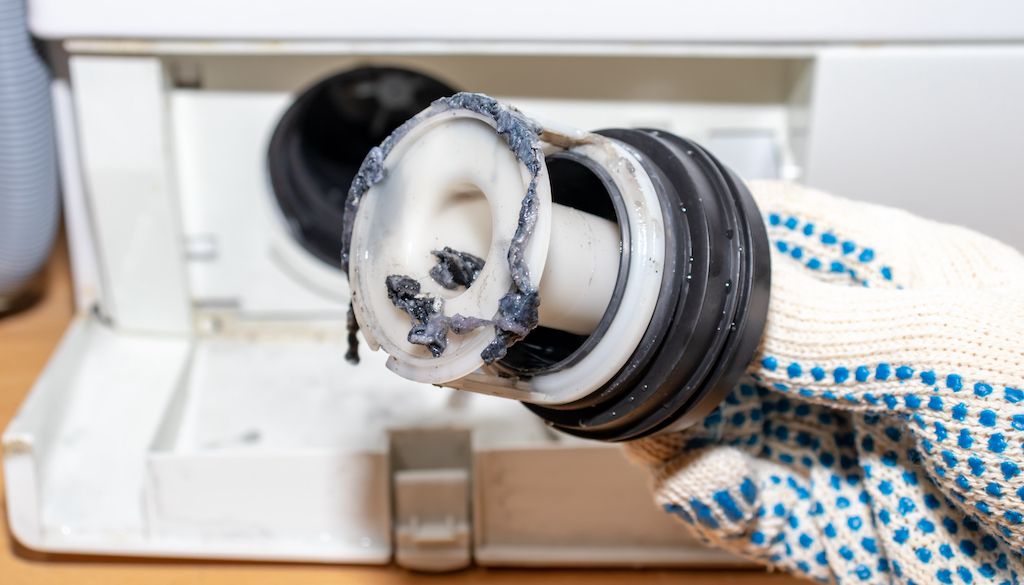
Your washing machine's filter plays an essential role. It helps trap dirt, lint, hair, and other debris. Keeping it clean can help avoid repairs and prevent bad smells.
Not sure how to find your filter and clean it? Follow these steps for cleaning a washing machine's filter.
How to clean the rubber on your washing machine door

The rubber seals on your washing machine are important because they help prevent water from leaking onto your floor. They should also be cleaned and visually inspected regularly.
Mix equal parts white vinegar and warm water in your spray bottle. Put on your gloves, then use a soft toothbrush, sponge or cloth to work the solution into the rubber seal's crevices — pull the folds back gently so you can reach underneath, where mildew collects. Let it sit for 5 minutes, rinse thoroughly with a damp cloth, and dry completely with a microfiber cloth. Be careful not to scrub too aggressively, especially if the seals are older and fragile.
At the same time, inspect all the rubber seals to make sure they aren’t cracked or torn. If any show signs of wear, it’s best to contact a washing machine repair professional rather than trying to fix it yourself and risking further damage.
How to eliminate smelly odors

To help prevent and remove bad smells inside your washer, try these cleaning tips:
Leave the door open and air it out
If you notice a bad odor when you open the door or lift the lid, it may be because you keep it closed when it’s not in use. This happens more often with front loaders because their tight rubber seals don’t allow the interior to dry out as easily. Between washes, mold can grow inside the damp drum. If you won’t be using your washing machine for a few days, leave the door or lid open to help air circulate and reduce dampness inside.
Also, because front-loading washing machines use less water than their top-loading counterparts, they don’t always wash away dirt, mold, and bad odors as thoroughly during the wash cycle.
Use liquid chlorine bleach
Before you start, make sure there's no vinegar anywhere in the machine. If you've used a vinegar solution on the gasket or run a vinegar cycle, run a full empty rinse cycle first. Never combine the two — the mixture produces chlorine gas.
Put on your rubber or nitrile gloves and safety glasses, and open a window or run the laundry room fan before you begin.
If you know the bad smell is coming from mold or mildew, check your manual for the right dispenser to use, then add liquid chlorine bleach and run the self-clean or tub-clean cycle. For visible mold on the gasket or drum, mix ¾ cup of bleach per gallon of water in a spray bottle, spray the affected area, let it sit a few minutes, then scrub with an old toothbrush and wipe dry.
Don't increase the concentration hoping for better results, and don't leave bleach sitting in the drum — both shorten the life of your rubber seals.
If you think there’s a larger mold problem in your laundry room that can’t be fixed with DIY methods, consult a mold remediation professional.
Perform routine maintenance
Bad smells build up over time. Get in the habit of running a cleaning cycle once a month and wiping down the tub, gasket and exterior while you're at it. See the full schedule below.
Need more help deodorizing your washer? Read our step-by-step guide, What's that smell? How to clean a smelly washing machine.
How often should you clean your washing machine?
Whether you have a top-loader, front-loader, or washer/dryer combo, the schedule is the same:
- After every load: Wipe the door gasket dry and leave the door or lid open so the drum can air out.
- Once a month: Run a cleaning cycle — either your machine's self-clean setting or an empty hot cycle with a washing machine cleaner — and wipe down the gasket and detergent drawer.
- Every three months: Do the full deep clean. That means the filter, the dispenser trays, the exterior, and a visual inspection of the hoses and seals.
Most manufacturers recommend a monthly cleaning cycle, and front-loaders benefit most from it because their tight seals keep the drum damp between washes. Clean more often if you run several loads a day, wash heavily soiled work clothes, or have hard water.
Issues to look for when cleaning
A deep clean is the perfect time to look for issues with the washing machine itself. Inspect these areas as you clean:
- Rubber seals. Pay close attention to all the rubber seals, looking for tears or rips and making sure they haven’t come out of their designated spots.
- Detergent drawer. Check the detergent drawer for signs of warping from heavy handling, as well as cracks. These can cause leakage into the machine, waste detergent, and lead to mold and mildew buildup.
- Hoses. Movement of the machine during the spin cycle may cause attached hose connections to loosen or even break. That's why you should visually inspect the hoses during your quarterly deep clean. A simple fix that reduces the chances of this happening is to place a small rubber anti-vibration pad under each corner of your machine — four pads total — to cut down on movement.
- Drum. Finally, visually inspect the drum. Loose change and keys can become stuck and cause significant damage if they aren’t removed. Washing heavy athletic shoes can also damage and undermine the drum’s integrity, which is why a visual inspection is important.
Remember, prevention is always better, and cheaper, than cure. Proper maintenance can help you avoid the expense of having to call a professional to fix or replace the whole machine.
Find cleaning and maintenance pros on Thumbtack
If you need help cleaning in and around your house, hire a professional for help. Download Thumbtack, and use it to search for house cleaning, appliance repair and other home maintenance services today.
FAQs
Here are a few of the most frequently asked questions about cleaning washing machines:
What are some signs that my washing machine needs to be cleaned?
If your clothes are not coming out as clean as they used to, or if your washing machine has developed an unpleasant smell, it’s probably time for a cleaning. You should also clean it if you see visible dirt, detergent buildup, mildew, or mold.
Can I clean my washing machine myself?
Yes, you can clean your washing machine yourself. Just follow the steps outlined in this article and you’ll have a clean washing machine that leaves your clothes smelling fresh.
Can I run my washing machine empty to clean it?
Yes, you absolutely can. It’s important to focus on cleaning the machine without trying to clean a load of clothes at the same time. Otherwise, any cleaning you achieve may be canceled out by dirt from the laundry.
Is it true that using vinegar to clean a washing machine is okay? Will it not cause damage to my clothes?
Used occasionally and in moderation, yes. Vinegar cuts through mineral deposits and soap scum, and it won't harm the clothes you wash afterward.
The caveat is frequency. Vinegar is an acid, and repeated exposure over months or years can degrade rubber hoses, gaskets, and seals. Some manufacturers advise against it for that reason, so check your manual — if yours does, use a commercial washing machine cleaner or your machine's self-clean cycle instead. And never use vinegar in the same session as bleach.
How it works.

Search.
Browse profiles, see prices and use filters to find pros who match your project.

Chat.
Contact the pros you like to discuss project details.

Hire.
Check pro availability and book appointments right in the app.
Find local pros for your project
Tell us what you're looking for and we'll show you pros right for the job, with prices.