10 decluttering tips to finally get your home organized
By Thumbtack Staff•Last updated Mar 9, 2023
Last updated Mar 9, 2023
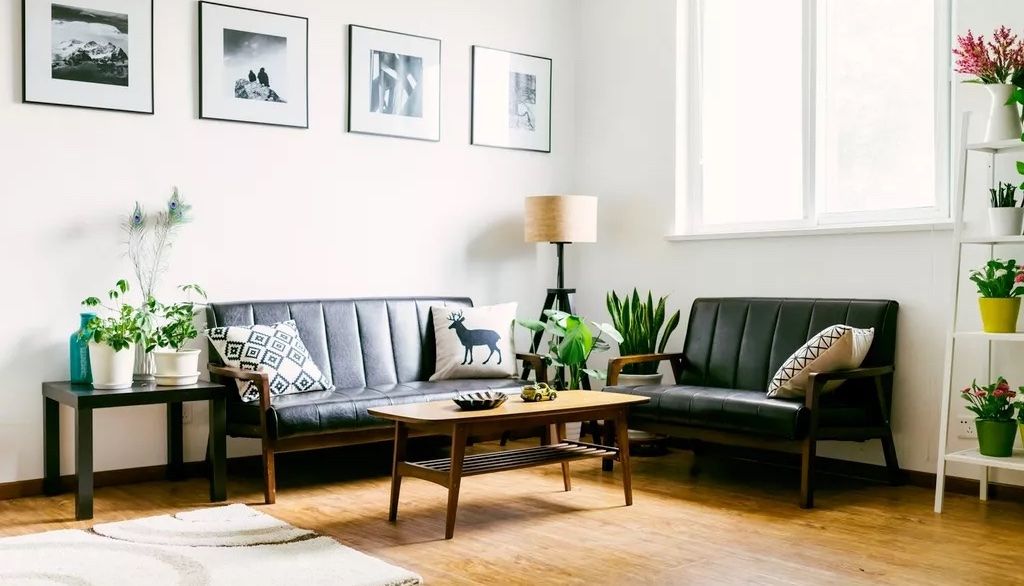
It feels good to live in a clutter-free home. But getting started can be tough. The stacks of boxes in your garage, piles of clothes in your closets and other junk taking up space in your cabinets, drawers and bedrooms — it's enough to make you want to quit before you even begin.
So if you're feeling overwhelmed, that's OK. We're here to help you channel your inner Marie Kondo so you can tackle your decluttering projects with as little stress as possible.
What you need for decluttering
Before you start decluttering your living room, closets, kitchen, laundry room, and more, do a quick inventory to make sure you have these items:
- Plastic bins or cardboard boxes. Use these to store items you plan to keep, donate, sell, or throw away. You can also use plastic or garbage bags.
- Markers, tape, and labels. Labeled bins help keep your items organized.
- Old towels or rags. As you move items around, you might spill liquids or uncover debris. Keep a few rags nearby so you can clean up quickly.
- Duster or microfiber cloths. If you notice dust or stains on shelves, counters, or bookcases, clean as you go.
- Broom and dustpan. When you finish decluttering, you may notice dust bunnies and dirt on the floor.
Best decluttering tips for your home
Your life may be chaos in a kitchen drawer, but a home organizing pro can help you find a place for everything. Whether you plan to do it yourself or work with a professional organizer, here are a few decluttering tips we recommend.
Tip #1: Make a plan
Creating a decluttering plan is an important first step. Do the following:
- Grab a notebook, go to your most cluttered rooms and areas, and take stock.
- Look at the items in each room.
- Write down which items you plan to keep and get rid of. You can also decide which items should be sold, donated, or thrown away.
- Make a list of items, probably the bigger ones, that will require a junk removal professional to haul away.
Tip #2: Be realistic about what you can accomplish
Unless you live in an extremely tiny home, you're not going to be able to declutter every room in a day. Give yourself time. It’s not realistic to expect to do everything at once.
For example, you may need to block off a few Saturdays to get it done. Or you may decide to take 2-3 days to declutter each room. Create a decluttering schedule or calendar that feels doable. It's all about taking baby steps.
Tip #3: Start in small areas

Just because your mess is giving you anxiety doesn't mean you need to overhaul everything to feel a little better.
Usually, there are one or two main places that are driving you crazy. It might be your home office or kitchen junk drawer. Start there. After organizing your drawer, you may feel motivated enough to declutter your kitchen next. Then your front entryway. Then that linen closet.
Tip #4: Throw things away before you buy storage solutions
Decluttering includes reorganizing your items. But that doesn't mean you should buy fancy storage bins for everything in your home.
Before you even think about running to the store to grab more containers, get rid of as much as you can. We're talking about:
- Old paperwork you don't need
- More than two issues of any magazine
- Anything expired (food, sunscreen, coupons)
- Condiment packets
- Unfixable broken things
- Cords you can't match to a device
- Anything you have more than two of in the same room (staplers, spatulas)
If you get rid of enough stuff, you may find that you don't even need to buy supplies — you can probably DIY easy storage solutions for whatever's left, like making drawer dividers from cardboard boxes.
Tip #5: Use the three-box method

If your family members aren't into you going through their stuff and deciding what they should and shouldn't keep, get them to help you organize room by room using a three-box method.
Set out three cardboard boxes for clutter and have them decide whether to:
- Get rid of the item (trash, sell, or donate)
- Store it elsewhere (like the garage or attic)
- Keep it and put it away where you can use it regularly
Tip #6: Start by clearing off flat surfaces
Flat surfaces — particularly in shared living spaces — get cluttered fast. But after you clear off the flat surfaces in key rooms, you'll get a better sense of what else needs to be dealt with.
Not only that, but an empty coffee table or shelves in a linen closet will stand out in their environment and spark ideas for other spots to sweep clean.
Tip #7: Look for existing hidden storage space
If you live in a small house or apartment, you may need to get creative about storage for things you use occasionally, like luggage or specialized sports gear. Walk around your home and keep an eye out for space you're not using. For example:
- In closets, you can hang up more hooks or shelves to store clothes, shoes, books, and more.
- Seasonal items, like snow or snorkel gear, may fit in bins designed to slide under your bed.
- Is there anything in those high kitchen cabinets you never open? If not, grab your ladder and make use of the extra space.
- If it doesn't totally mess up your decor, you can try sliding small items (preferably in boxes) underneath coffee, dining, or entry tables.
Tip #8: Invest in functional storage solutions

These days, you can find tons of storage solutions on the market. Some coffee tables, wall mirrors, floating shelves, and even beds have hidden built-in storage for your everyday items. Find a few pieces that can act as storage, furniture, and decor.
Tip #9: Learn to let go
Yeah, this is going to get emotional. You’ll want to hold onto that dress that used to fit perfectly, the tennis racket you used to love, and that book from college you’ve been meaning to re-read.
But what you have and where you keep it says a lot about your values. If you find things that remind you of activities and relationships you’ve been neglecting, allow this process to help you figure out how to bring those things back into your life. Holding onto the stuff itself might not be the answer.
Say goodbye, grieve the wasted time and money if you have to, but don't miss the opportunity to figure out what really matters to you. You may just find that decluttering your home sparks joy instead of sadness.
Tip #10: Get help from a pro.

If you're too overwhelmed to declutter every room, there's an easier way: hire a home organizer. They can give you advice specific to your home's layout and your budget. Take advantage of an outsider's perspective, and use their tips for keeping your home tidy and clutter-free after they're done.
Mistakes to avoid in the future
Once you create a clutter-free home, you'll want to keep it that way. Avoid these home organizing mistakes so you don't have to declutter all over again in a few months.
Mistake #1: Confusing sentimental value for necessity
We sometimes allow clutter to accumulate when we falsely believe our sentimental objects are necessities. But keeping things that take up space yet serve no purpose isn't smart.
Instead of treating your place like a dumping ground for sentimental objects, take photos of anything you love but never use, and file them away with descriptions or stories. If someone else can use the item or it has value, sell it or pass it on.
Mistake #2: Letting mail or paperwork pile up
One way to deal with piles of paperwork is to digitize and go paperless as much as possible so you have copies on your computer's hard drive or in the cloud. Pay bills online, scan paper receipts you need for tax reasons, and subscribe to digital versions of your favorite publications.
Pro tip: Put a recycling bin near where you bring mail inside so you can get rid of junk mail and brochures as soon as they come in.
Mistake #3: Buying things you already have
Decluttering your home makes you realize you don't need as much as you think. You'll find out that you can get by with your three favorite knives, half as many cleaning products, and two pairs of jeans.
Make a list the next time you go shopping, whether you're shopping for groceries, clothes, or home goods. If you have an itch to buy something that's not on your list, ignore it.
How much does a professional home organizer cost?
Many home organizers have hourly rates that cover decluttering, organizing, removal, and other services. Costs also depend on where you live and how much experience your organizer has. The best way to find out how much it will cost to hire a home organizer is to reach out to a few and ask for an estimate.
If you need to add cabinets, drawers, or closets to help you organize your home, your costs will increase. Installing a new closet system can be pricey due to labor and material costs.
Who to hire to get rid of clutter
Sick of sifting through hot sauce packets and old scrunchies to find your tape measure? Find every pro you need for an organized home on Thumbtack:
A note about project costs included or linked in this article: Figures represent national average cost estimates using data provided by Thumbtack pros and additional research. These figures are provided for educational purposes only and are subject to change at any time.
How it works.

Search.
Browse profiles, see prices and use filters to find pros who match your project.

Chat.
Contact the pros you like to discuss project details.

Hire.
Check pro availability and book appointments right in the app.
Find local pros for your project
Tell us what you're looking for and we'll show you pros right for the job, with prices.