11 lawn care tips for beginners
By Francesca Singer•Last updated Mar 22, 2024
Last updated Mar 22, 2024
Table of Contents
- 1. Learn your grass type
- 2. Decide whether you want real or artificial grass
- 3. Test your soil
- 4. Understand the difference between sod, seed, or hydroseeding to establish a lawn
- 5. Make a seasonal lawn maintenance schedule
- 6. Know when to fertilize your lawn
- 7. Aerate and dethatch your grass to help it grow
- 8. Remember these lawn watering tips
- 9. Memorize the dos and don'ts of lawn mowing
- 10. Learn how to identify weeds
- 11. Recognize and react to signs of trouble
- Hire a lawn care service on Thumbtack
Find local pros for your project
Search for pros
Becoming a homeowner with a lawn means finally having your own patch of green. And like many before you, you probably imagine that this fine yard will become your pride and joy. But if you're new to lawn care, establishing and maintaining a lawn can be daunting.
Don't get overwhelmed. In this lawn care guide, we'll walk you through the steps of growing and maintaining a lawn.
1. Learn your grass type
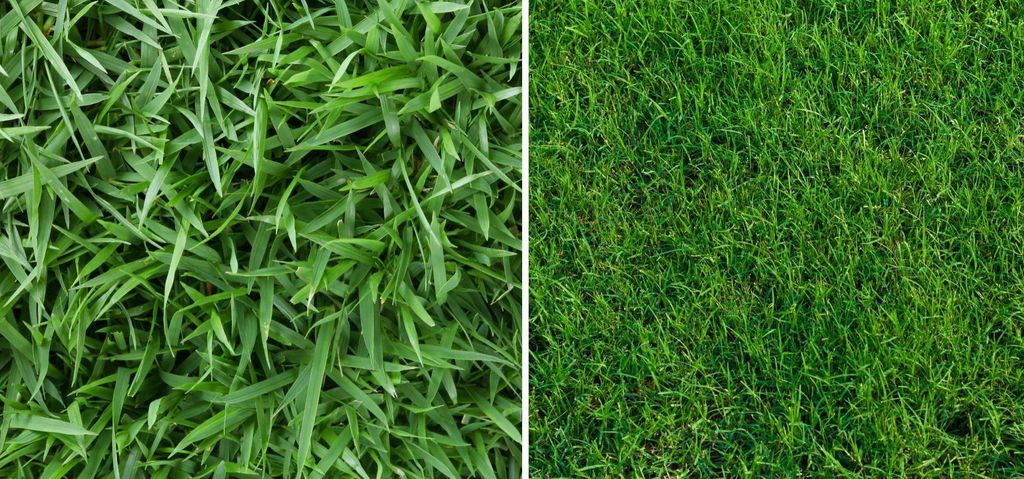
From left to right: Zoysia and Bermuda grass.
To create a lush, healthy lawn, it helps to understand the grass type in your yard.
There are two main categories: cool-season grasses and warm-season grasses. Cool-season grasses like Kentucky bluegrass, perennial ryegrass, and fine fescue are better suited to cooler climates. Their growing season is in the fall and spring.
Warm-season grasses like Bermuda grass, zoysia grass, and St. Augustine grass grow best in warmer climates. Their growing season is typically in the summer.
Different grass types need different care. If you are starting from scratch or need to regrow your lawn, consider your local climate and choose a grass type that fits your region and yard use.
2. Decide whether you want real or artificial grass

Next, decide between real and artificial grass. Real grass offers environmental benefits and a classic, natural look and feel, but it requires ongoing care. Artificial turf requires less maintenance and provides a consistent appearance year-round.
Evaluate the pros and cons of each and choose what best suits your budget, needs, and aesthetic preferences.
3. Test your soil

Healthy soil is the foundation of a vibrant lawn. Before making any major changes, like fertilizing or seeding, test your soil to assess its pH level, composition, and nutrient content.
For an accurate soil test, contact your local extension office and request one. This information will guide you in making the right amendments to improve soil health. Consider factors like drainage, compaction, and nutrient deficiencies to help your grass thrive.
4. Understand the difference between sod, seed, or hydroseeding to establish a lawn

When establishing a new lawn, you have three primary options: seeding, sodding, or hydroseeding.
Sod is pre-grown grass that is rolled out onto prepared soil, providing instant results. Seeding involves spreading grass seed directly onto the soil, promoting long-term growth. Hydroseeding uses a combination of seed, water, and other additives sprayed onto the soil, offering fast germination.
Each method has its own advantages and considerations, such as cost, establishment time, and effectiveness. Choose the method that fits your timeline, budget, and preferences.
5. Make a seasonal lawn maintenance schedule

Keeping your lawn healthy requires ongoing maintenance throughout the year. This includes important tasks like fertilizing, aerating, and weeding.
Check out these seasonal lawn care guides for more information:
6. Know when to fertilize your lawn
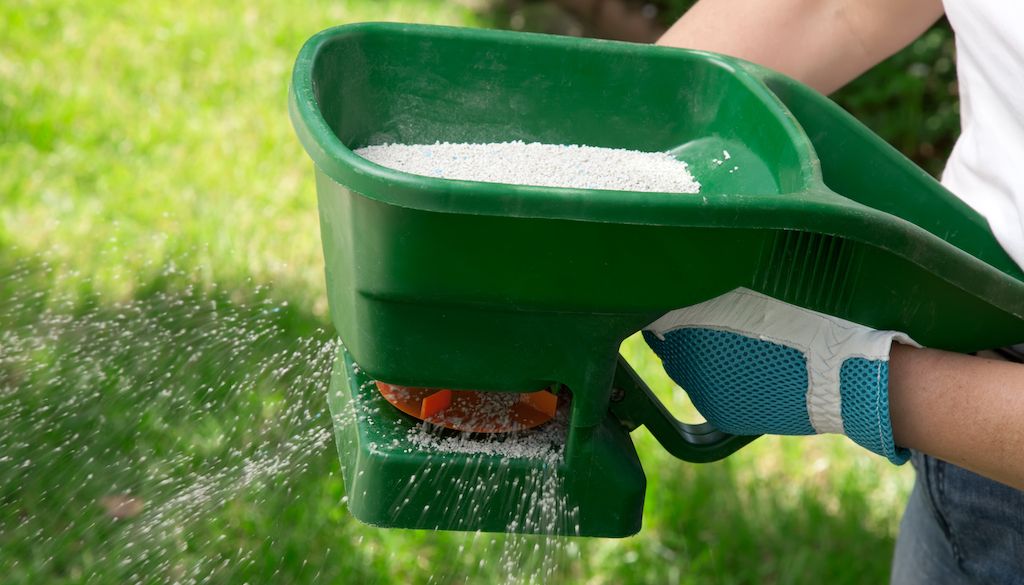
Feed your lawn regularly to maintain its health and vigor. Choose a suitable fertilizer based on your grass type, and apply it during the recommended periods.
Fall and spring lawn care maintenance often includes fertilization. But you should conduct a soil test to find out whether your grass needs fertilizer. If so, consider using weed-and-feed products to tackle weeds while nourishing your grass.
7. Aerate and dethatch your grass to help it grow

Aerating helps alleviate soil compaction, allowing air, water, and nutrients to reach the roots. Dethatching removes built-up dead grass and debris, promoting better airflow. Both processes support root growth and healthier grass.
8. Remember these lawn watering tips

Watering is a critical part of lawn care. Remember these lawn watering tips to help keep your grass healthy:
- Water deeply and infrequently to encourage deep root growth.
- The best time to water is early morning because it minimizes evaporation and discourages fungal growth.
- Consider using sprinklers, hoses, or drip irrigation systems.
- Adjust your watering routine to changing weather conditions, focusing on providing about 1 inch of water per week.
9. Memorize the dos and don'ts of lawn mowing

Proper lawn mowing technique plays a major role in maintaining healthy grass and the right height. Set your lawn mower to the recommended mowing height for your grass type to prevent stress and encourage strong root development. Use these lawn mowing tips:
- Do mow when the grass reaches about one-third higher than the ideal height.
- Don't cut too short, since it weakens the grass and increases weed competition.
- Do sharpen your mower blades regularly for clean cuts and healthier grass.
- Don't mow wet grass, since it can lead to uneven cuts and damage to the lawn.
- Do alternate your mowing pattern each time to promote upright growth and reduce soil compaction.
- Don't throw away grass clippings unnecessarily, since they contribute to the lawn's natural nutrient cycle.
10. Learn how to identify weeds

Left untreated, weeds can become a nuisance in any lawn. You can apply pre-emergent herbicides, such as crabgrass preventers, to stop weed seeds from germinating.
Regularly inspect your lawn for signs of weed invasion and hand-pull or spot-treat them as needed. For example, keep a lookout for broadleaf weeds. These weeds are easy to spot because they don't look like grass blades. Instead, they have flowers and two leaves.
11. Recognize and react to signs of trouble
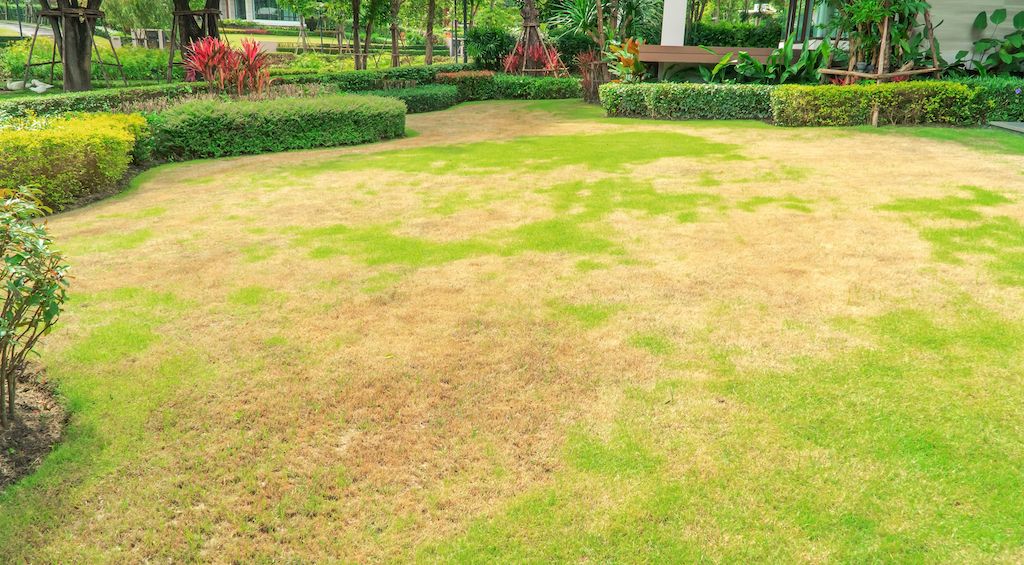
Paying attention to signs of stress or damage can help you prevent serious problems before they take hold. Discoloration such as yellow or brown patches can be a sign of common lawn pests or diseases.
If you suspect an issue, you may want to get a professional’s opinion and then evaluate your options for treatment.
Hire a lawn care service on Thumbtack
It's possible to achieve the beautiful lawn you want. An experienced lawn care professional can help get you started on the right path. Download the Thumbtack app to hire a professional lawn service near you today.
A note about project costs included or linked in this article: Figures represent national average cost estimates using data provided by Thumbtack pros and additional research. These figures are provided for educational purposes only and are subject to change at any time due to various factors. Details about your specific project and local rates can impact costs.
How it works.

Search.
Browse profiles, see prices and use filters to find pros who match your project.

Chat.
Contact the pros you like to discuss project details.

Hire.
Check pro availability and book appointments right in the app.
Find local pros for your project
Tell us what you're looking for and we'll show you pros right for the job, with prices.