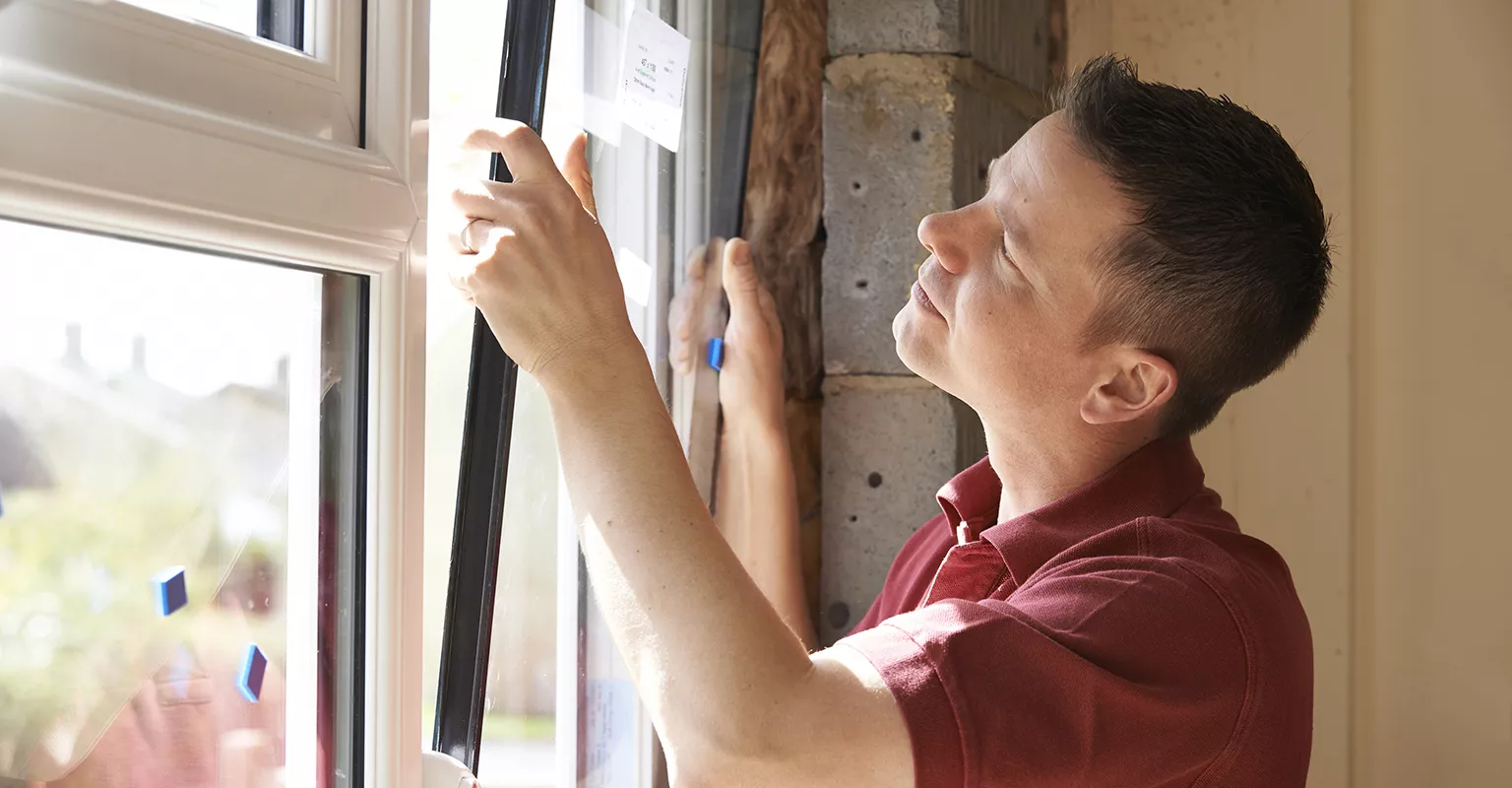




How long does it take to install basement windows?
Typically, it will take a professional a few hours to a full day per window to complete an installation. A few factors can impact how long it takes. For example:
New vs. replacement: Replacing an existing window is much faster than cutting a new opening in your foundation wall.
Wall material: Working with concrete or masonry walls takes more time and specialized tools than wood-framed walls.
Window type: Installing a larger egress window with specific safety requirements is more complex than a standard hopper window.
Site conditions: Poor drainage or obstructions around the work area can slow down the installation process.
Finishing touches: The time needed for waterproofing, sealing, and adding interior or exterior trim can also extend the project timeline.
Remember: The timeline for your project will vary depending on many factors. Always ask your pro to provide an estimate.
What factors can impact the cost of basement windows?
There are several factors that might impact the cost of this project, including:
Window type and size: The kind of window you select, such as a simple hopper vs. a code-compliant egress window, and its size are major cost drivers.
Installation complexity: Replacing a window in an existing frame is less expensive than a new installation that requires cutting through a concrete foundation or excavating soil.
Number of windows: The total quantity of windows you need installed will directly affect material and labor costs for the project.
Window materials and features: Costs can vary based on the frame material, like vinyl or fiberglass, and any add-ons such as energy-efficient double-pane glass or security locks.
Permits and structural work: If the job requires a building permit — common for egress windows — or modifications to your home’s structure, the project will cost more.
What questions should I ask before hiring window installers?
Before hiring a pro to install your basement windows, be sure to ask these questions:
Are you licensed, bonded, and insured?
What types of windows do you recommend for my basement and why?
Can you provide a detailed, itemized estimate?
What’s the estimated timeline, from ordering the windows to final cleanup?
Will you or a subcontractor perform the installation?
What kind of warranty do you offer on your workmanship and the windows themselves?
How will you protect my home during the project, and what does cleanup involve?
What should I do before my pro arrives to install my windows?
Before your window installer arrives, take these steps to ensure a safe and efficient appointment:
Clear the area. Move any furniture, storage boxes, or outdoor items away from the windows so your pro has plenty of room to work.
Protect your belongings. Installation can create dust, so cover any nearby furniture or electronics with a drop cloth or plastic sheet.
Provide a clear path. Make sure there’s an unobstructed walkway from the entrance to the basement work area for carrying tools and materials.
Keep kids and pets safe. For everyone’s safety, it’s best to keep children and pets in a separate, secure area away from the work zone.
Confirm logistics. Let your pro know the best place to park and provide any specific instructions for entering your home.
What should I expect during my window installation?
During your pro’s visit, they'll typically start by prepping the work area and confirming measurements. They’ll then remove the old window and install the new one, ensuring it’s properly sealed to prevent moisture issues common in basements. Once the installation is complete, your pro should clean up the site and haul away the old materials. The entire process for one window can often be finished in a few hours.