

What are common issues with mobile home roofs?
Common problems with mobile home roofs include leaks, seam separation, and weather-related damage. Because many mobile homes have metal or rubber membrane roofs, repairs often focus on sealing and patching vulnerable areas. For example:
Sealing roof seams: Resealing or reinforcing loose or separated seams to prevent leaks.
Patching holes or cracks: Repairing punctures with metal patches or rubber membrane repair kits.
Replacing fasteners: Tightening or swapping out loose or rusted screws and adding new washers.
Flashing repairs: Fixing damaged flashing around vents, chimneys, and edges.
Coating application: Applying elastomeric or rubber roof coatings to extend roof life and improve waterproofing.
Panel replacement: Replacing severely rusted or damaged metal roof panels.
Addressing small issues early can prevent more extensive water damage and costly structural repairs.
How do I hire a contractor to fix my mobile home roof?
When looking for a pro to repair the roof of your mobile home, make sure you complete the following steps:
Verify their license and insurance: A reputable roofer should have general liability insurance and workers' compensation. Licensing requirements for roofing contractors vary by region, so it’s a good idea to check your local regulations.
Get several estimates: Aim for at least three written estimates. A proper quote should include a clear timeline and detail the costs for labor and all materials, such as coatings, patches, or replacement panels.
Read their reviews: Look for reviews that mention good communication, punctuality, and successful leak repairs. Red flags include comments about hidden fees, messy job sites, or leaks that returned shortly after the work was done.
Look at their portfolios: Ask to see photos of their past work, paying special attention to mobile home roofs. This shows they have experience with the specific materials and structures involved, which can be different from standard homes.
Find out if they have warranties: Ask about any guarantees they offer on their workmanship, which covers installation errors. You should also find out if the repair materials come with a separate manufacturer's warranty.
Ask important questions: Before hiring, consider asking: "What is your experience with my specific type of mobile home roof?," "How do you plan to handle cleanup and protect my property?," "What does your project timeline look like?"
What happens during an on-site visit with a mobile home roofing contractor?
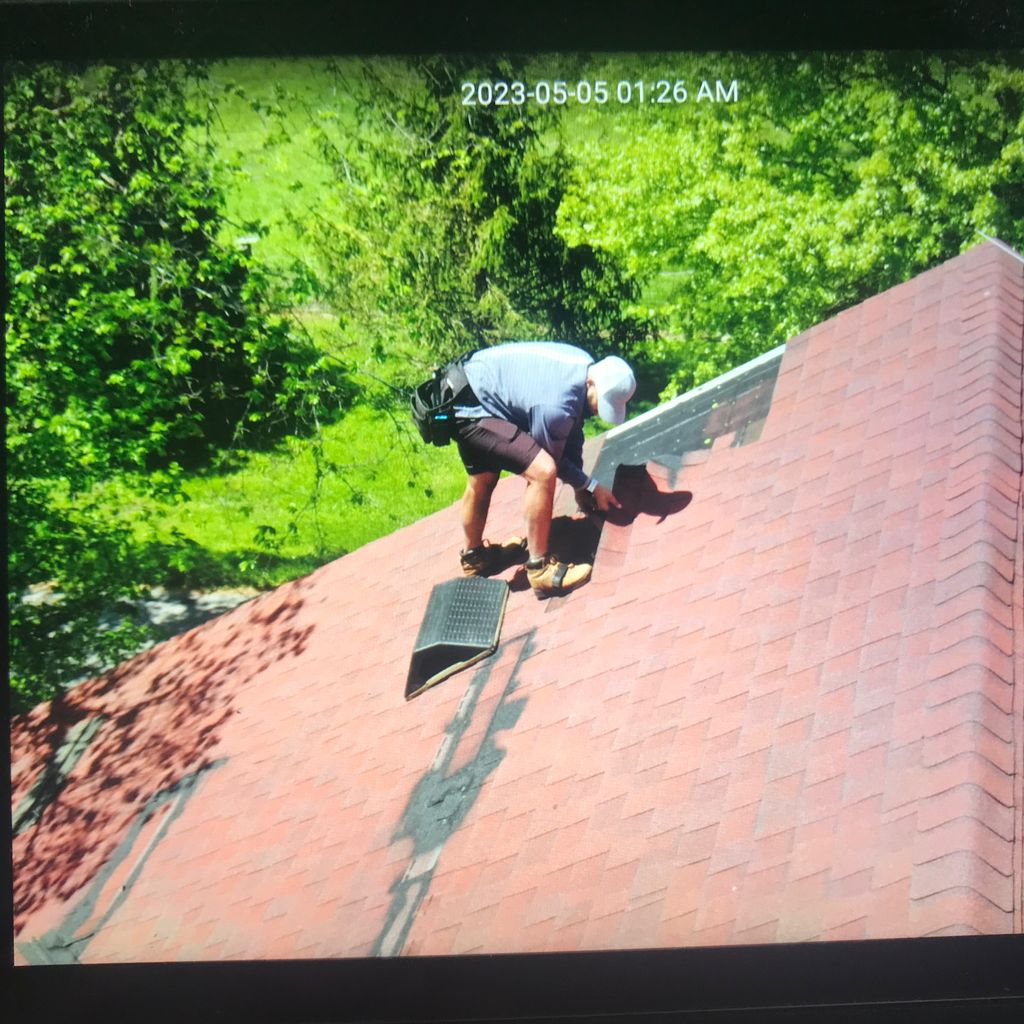
During your pro’s visit, they'll typically start with a thorough inspection of your roof to identify the source and extent of the damage. They'll look for issues like leaks, loose panels, or damaged coating specific to mobile home roofing systems. After the assessment, they should explain the necessary repairs and the materials they recommend, then provide you with a detailed estimate for the project.
What factors can impact the cost of fixing a mobile home roof?
There are several factors that might impact the cost of this project, including:
The extent of the damage: Fixing a few loose shingles will cost less than addressing widespread leaks or structural issues from a storm.
Roofing materials: For example, repairing metal panels can have different costs compared to asphalt shingles or a membrane roof.
Roof accessibility: If your roof is particularly steep or hard to get to, it may require extra safety equipment and time, which can increase labor costs.
Underlying issues: Sometimes, what looks like a simple fix can uncover deeper problems, such as water damage to the roof deck or insulation. Repairing these underlying issues will add to the project's scope and cost.
Labor and permits: Your contractor's experience level, local labor rates, and permitting requirements will influence the final price.
What maintenance does a mobile home roof require?
Mobile home roofs typically need regular inspections to check for damage, especially after storms. It's also important to keep your roof clear of leaves and debris to prevent water from pooling. Periodically resealing seams, fasteners, and edges can help prevent leaks and extend your roof's life. It's best to schedule a pro at least annually for inspections and upkeep.