


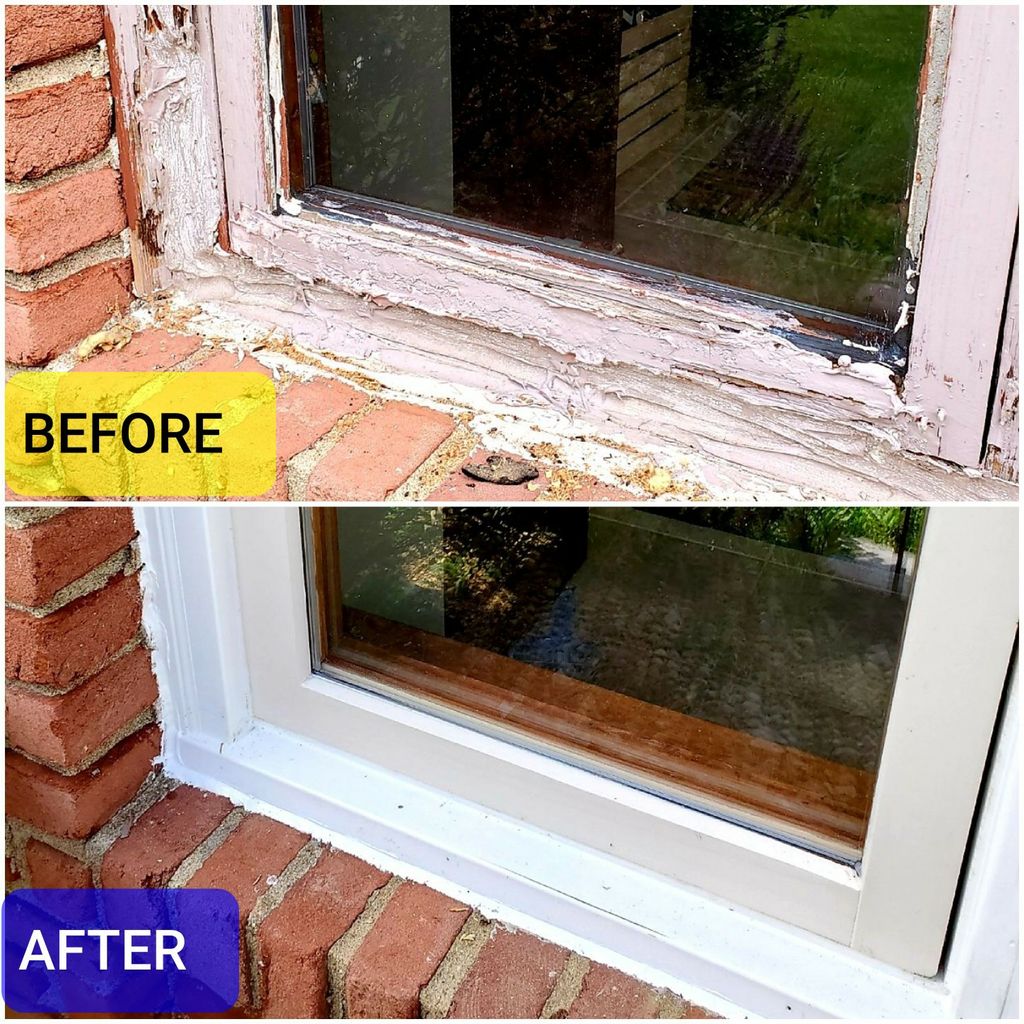

What is window restoration?
Window restoration is the process of repairing and upgrading existing windows to improve function, efficiency, and appearance without full replacement. It often includes:
Frame and sash repair: Fixes rot, cracks, or stuck windows.
Glass improvements: Replaces broken panes or upgrades glazing.
Weatherproofing: Adds sealing to reduce drafts and energy loss.
Hardware restoration: Repairs locks, balances, and pulleys.
Finish work: Restores paint or stain for a refreshed look.
Restoration helps preserve your home’s character while improving comfort. A skilled pro can typically assess your windows and recommend the best repairs so you can move forward with confidence.
How does restoration differ from repair?
Window restoration and window repair both improve window performance, but they differ in scope and long-term impact.
Window repair: Focuses on fixing a specific issue, such as broken glass, a stuck sash, or damaged hardware.
Window restoration: Takes a more complete approach, addressing multiple components to improve function, efficiency, and appearance.
Longevity: Repairs solve immediate problems, while restoration extends the life of the window.
Home value: Restoration often preserves original details and boosts curb appeal.
A pro can usually evaluate your windows and explain whether a simple repair or full restoration will give you the best long-term results.
What factors can impact the cost of window restoration?
There are several factors that might impact the cost of this project, including:
Window material and age. Restoring old wooden or historic windows often requires more specialized skill and time compared to modern vinyl or aluminum frames.
The extent of the damage. Minor issues like peeling paint or small cracks are less expensive to fix than significant problems like wood rot or broken sashes. Some projects may be closer to a simple window repair, while others involve a full restoration.
The number of windows. The total project cost will naturally increase with each window you need restored, though some pros may offer a better per-window rate for larger projects.
Glass and hardware needs. The cost can go up if you need to replace broken glass, upgrade to energy-efficient panes, or restore or replace original hardware like locks, pulleys, and lifts.
Accessibility. Windows on upper floors or in hard-to-reach spots may require special equipment like scaffolding, which can add to the labor costs.
Is window restoration worth it?
Yes, window restoration is often worth it, especially for historic or high-quality wood windows. It's a great way to preserve your home's character and usually more cost-effective than a full replacement. Restoration can also improve energy efficiency by sealing drafts and repairing damage. An experienced window pro can typically help you decide if restoration or replacement is the better long-term option.
How long does it take to restore windows?
Typically, it will take a professional a few days to over a week to complete a window restoration project, depending on a few factors. For example:
The total number of windows you need restored directly affects the total time for your project.
Windows with extensive damage, such as rot or broken glass, will require more time to repair.
The size and complexity of your windows can also affect the timeline, especially for historic or custom designs.
A full restoration that includes stripping, sanding, and painting takes longer than minor repairs.
Unfavorable weather can delay exterior work, as pros need dry conditions for painting and sealing.
Remember: The timeline for your project will vary depending on many factors. Always ask your pro to provide an estimate.
How do I choose the best window restoration service?
When looking for a pro to restore your windows, make sure you complete the following steps:
Verify their license and insurance: Some pros may need a general contractor or specialty license, but requirements vary by region. Ensure they have current general liability and workers' compensation insurance to protect you in case of accidents.
Get several bids: A proper estimate should include a detailed breakdown of labor and material costs, the specific scope of work for each window (e.g., wood repair, reglazing, hardware restoration), and a project timeline.
Read their reviews: Good signs include mentions of attention to detail, preserving historical character, and clear communication. Red flags to watch for are complaints about sloppy work, damaged property, or unexpected costs.
Look at their portfolios: Seek out before-and-after photos of projects similar to yours. Pay attention to the quality of the finish, the clarity of the glass, and how well the restored window fits its frame.
Find out if they have warranties: Many professionals will guarantee their workmanship and pass along manufacturer warranties for any new materials used, such as sealants or glass.
Ask important questions: Before hiring, ask questions like, "What is your process for protecting my home from dust and debris?," "Do you have experience with windows of this specific age and material?," and "How do you handle potential lead paint safely?"