


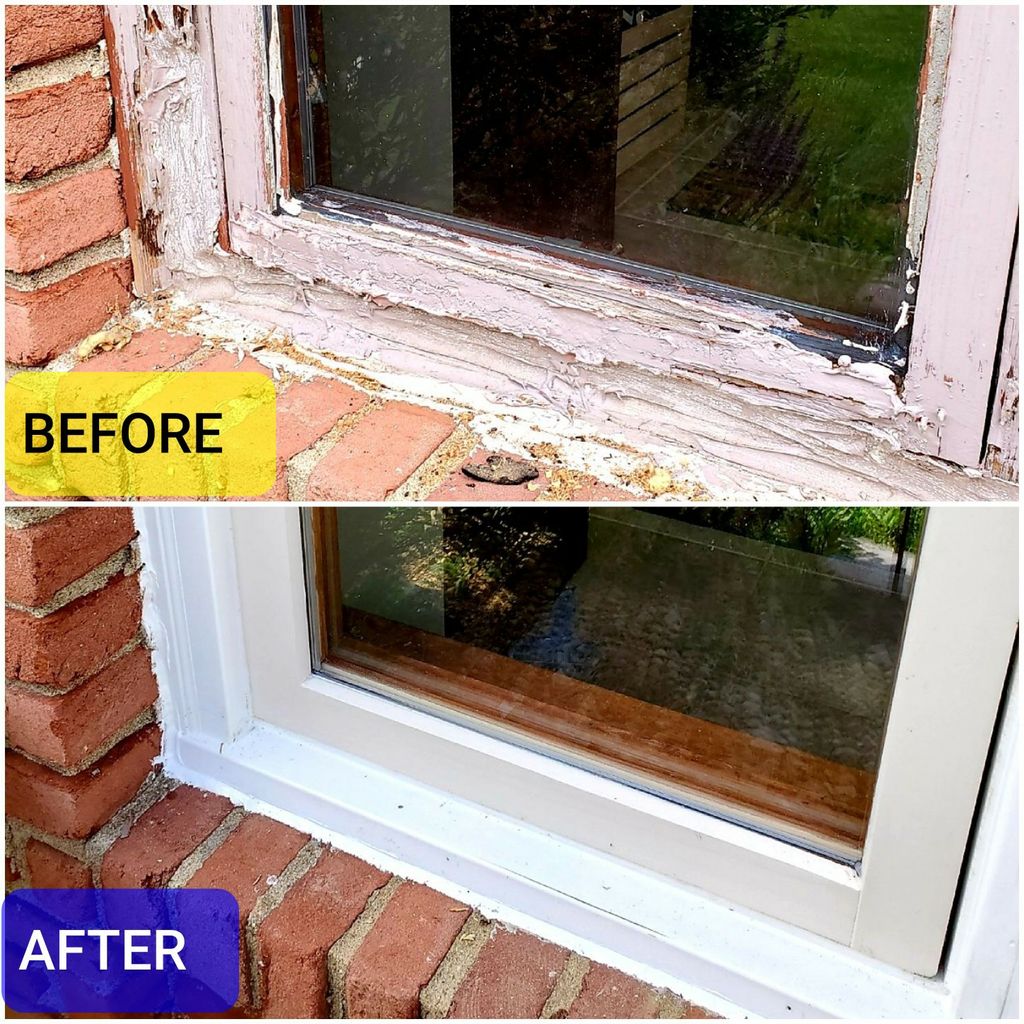

What is the best way to seal windows?
The best approach to sealing your windows depends on where the leak is. For small gaps around the window frame, applying a fresh line of caulk is often the most effective fix. If the draft comes from under the sash, self-adhesive weatherstripping is a great DIY option that can make a big difference in your home's energy efficiency. An experienced pro can typically help you choose the best option for your needs and budget.
What factors can impact the cost of getting windows sealed?
There are several factors that might impact the cost of this project, including:
Number and size of windows. The more windows you need sealed, or the larger they are, the more time and materials the job will require.
Type of sealant. Different types of caulk and sealant come at different price points. Your pro can typically recommend the best option for your window material and climate.
Window condition. If old, cracked sealant needs to be carefully removed or the window frames need repairs before new sealant can be applied, the job may cost more.
Accessibility. Sealing second-story windows or those that are difficult to access will likely cost more due to the extra time and equipment needed.
Labor and location. Labor costs can vary based on your location and the experience level of the professional you hire.
Can I reseal my windows myself?
Yes, you can reseal your windows yourself if you have the right tools and some DIY experience. The job typically involves removing the old sealant, cleaning the surface, and applying a new, even bead of caulk. For more complex jobs or if you're unsure, a professional can help ensure a proper, long-lasting seal.
Is it worth getting your windows resealed?
If your current window seals are failing, it's definitely worth getting them resealed. Resealing windows can improve your home's energy efficiency, which can lead to lower utility bills. It also helps protect your home from drafts, moisture damage, and pests. An experienced pro can typically assess the current condition of your windows to determine if resealing is necessary.
How long does it take to seal windows?
Typically, it will take a professional a few hours to a full day to seal a set of windows. The total time depends on a few factors. For example:
The number of windows: The more windows you have, the longer the project will naturally take.
Window condition: Removing old, damaged caulk or sealant before applying a fresh seal will add time to the job.
Size and shape: Sealing large, custom-shaped, or multi-pane windows is more time-consuming than sealing small, standard ones.
Accessibility: Hard-to-reach windows, such as those on upper floors or behind landscaping, require extra time for setup and safety.
Remember: The timeline for your project will vary depending on many factors. Always ask your pro to provide an estimate.
How often should you reseal your windows?
It’s recommended that you reseal your windows at least once every five years. Over time, the original sealant can crack, shrink, or pull away from the frame. Applying a fresh seal helps prevent air drafts and water leaks, which can improve your home's energy efficiency and protect against damage. If you're unsure, an experienced window pro can assess the condition of your current sealant to determine if it's time for a reseal
How do I choose the best pro to seal my windows?
When looking for a professional window sealer, make sure you complete the following steps:
Verify their license and insurance: Confirm they have general liability insurance. Licensing requirements can vary by region, so ask what’s standard for your area.
Get several bids: A proper estimate should provide a timeline and detail the costs for labor and materials, including the specific type of sealant to be used.
Read their reviews: Look for mentions of punctuality, clean work, and long-lasting results. Be wary of complaints about messy application or drafts that returned quickly.
Look at their portfolios: Search for photos of past work. You should see clean, uniform sealant beads without any gaps or smudges on the window frames.
Find out if they have warranties: Ask if they provide a workmanship guarantee on their service. The sealant product itself might also come with a manufacturer's warranty.
Ask important questions: What type of sealant do you recommend for my windows? How do you prepare the surface before applying it? Will you remove the old caulk first?