

How much do movers cost in Boston?
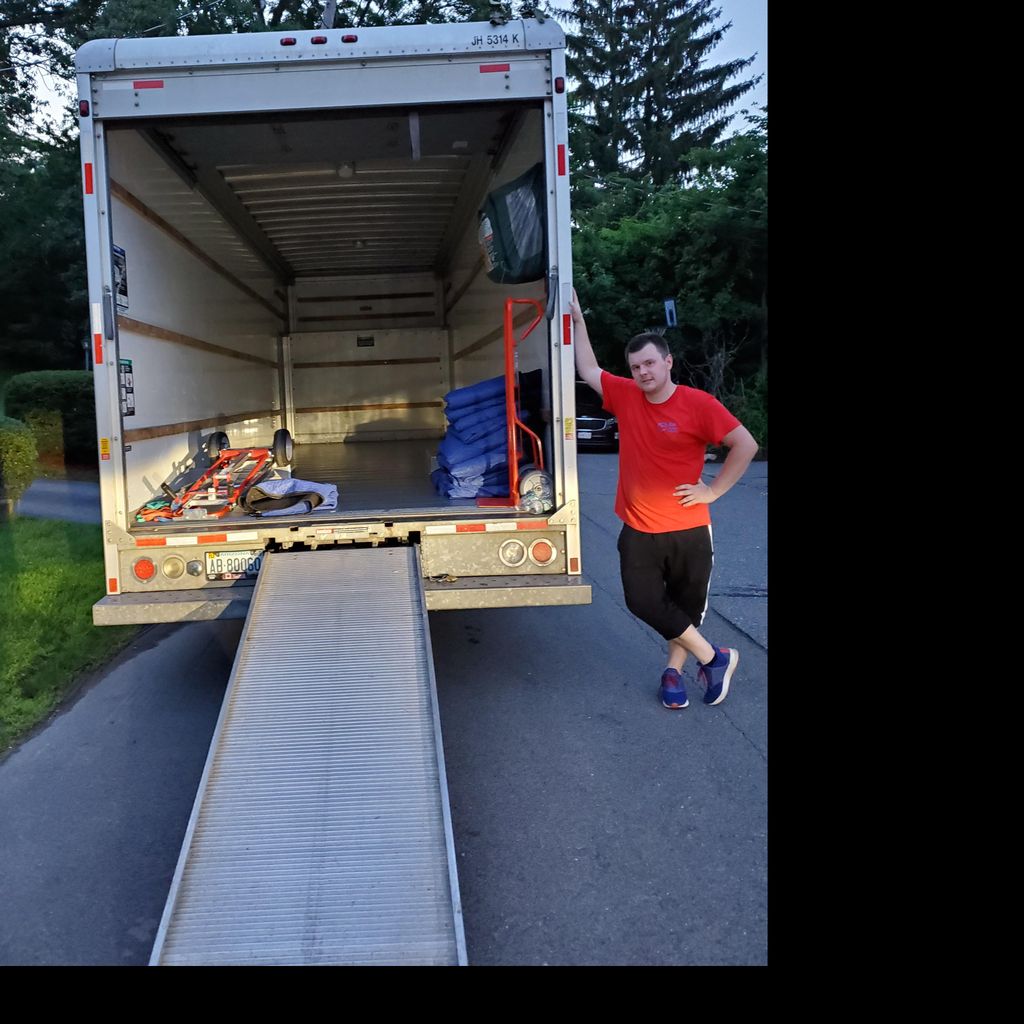
The best movers in Boston charge about $77 to $100 per hour for their services. However, this cost is subject to change at any time and will vary based on your specific needs. The price you pay may also depend on whether you’re moving within Boston, out of state or across the country. When choosing a moving company in Boston, gather a few quotes or estimates so you can make the best decision for your wallet.
How do I choose the best moving company in Boston?
Take the time to research and compare the best moving companies in Boston before you hire one. Read customer reviews and compare prices for storage services, long-distance movers and packers. Also discuss liability insurance with your mover, as Massachusetts makes movers responsible for only $0.60 per pound per article, according to the website for the state of Massachusetts.
Where can I get moving boxes in Boston?
If you’re looking for free moving boxes in Boston, first try local stores around you. These may include liquor, department, grocery or bookstores, all of which use boxes regularly and might be willing to let you take some off their hands. Recycling centers often have stacks of folded boxes. For brand-new options, shop at hardware stores, where you can also find packing tape, moving blankets and other moving supplies. You can also try asking Boston moving companies if they offer or sell moving boxes as part of their services.
Where can I rent a moving truck in Boston?
To rent a moving truck in Boston, consider the options available at moving truck rental companies in the area. However, to save yourself some time and stress, you may want to consider hiring one of the best moving companies in Boston. Movers typically provide a truck when they’re helping you move. And in addition to driving it, they will load and unload your moving boxes and furniture.
Do I need a parking permit for my moving truck in Boston?
While a moving permit is not required in Boston, it does guarantee you two parking spaces from 7 a.m. to 5 p.m. on a designated day. This means you won’t have to find parking for a large truck and can have close access to the move site. It also means you can avoid a hefty fine or parking ticket. The cost for a one-day moving truck parking permit is $110, according to the website for the city of Boston.
How far in advance should I hire movers?
Book movers at least two months in advance for a local move and at least four months in advance for a cross-country move. If you’re moving during the off-season, it’s best to book movers about four to eight weeks in advance. Factor in an extra two to three weeks if you have antiques or valuables that are difficult to transport.
May through September is typically considered peak moving season. If you’re moving during this time, hire movers as far in advance as possible.
How much do movers cost for a local move?
If you are paying movers to perform a local move, expect to pay between $72 and $135 per hour. To minimize the overall cost of the move, do as much preparatory work in advance as possible. Have your items packed, boxed and wrapped in protective wrapping. Also, have everything labeled with its location in your new home. If possible, move items toward the door or in a convenient location for the movers to grab as they remove them from the house.
Get price quotes from movers near you so you will know exactly how much a local move will cost.
How much do you tip movers?
It’s recommended that you tip your movers individually around $4 to $5 per hour. For example, if a team of four movers spends a half-day (four hours) on your move, tip each mover $20. Or, some people tip 5% to 10% of their total bill for small moves and 15% to 20% for larger moves.
If you’re moving across state lines, you may hire different crews to load and unload your goods. In that case, divide the tips between both crews. It’s also a good rule of thumb to add a bit extra for tipping movers if you have special circumstances that have made the move harder, like a spiral staircase or an exceptionally heavy sofa.
What is considered a local move vs. a long-distance move?
Local moves are among the most common moves. Unlike a long-distance move, a local move is typically less than 50 miles and does not cross state lines. Generally, a local move only takes one day, and movers tend to charge by the hour.
The definition of a long-distance move may vary depending on the moving company. Generally, a long-distance considered to be any move of 400 miles or more. However, some say a long-distance move is over 50-100 miles.
|
Local Move |
A move under 50 miles |
|
Long-Distance Move |
A move over 50-100 miles or over 400 miles; may also be called an “interstate move” or “out-of-state move” |
|
Out-of-State Move |
A move that crosses state lines; may also be called an “interstate move” or “long-distance move” |
|
Interstate Move |
A move that crosses state lines; may also be called an “out-of-state move” or “long-distance move” |
|
Intrastate Move |
A move that begins and ends in the same state, typically beyond 50 miles |
Interstate moves require additional legal preparation and will incur additional costs for distance, the amount and weight of your items, the preparation required and various other factors. Moving companies tend to do an initial weighing of the truck, which you should be present for.
A move that crosses state lines is considered an interstate move or an out-of-state move. Contrast this with an intrastate move, which begins and ends in the same state, but is typically above 50 miles.
To determine whether your move is local or long-distance, contact the best movers in your area.
Should I buy moving insurance?
Your homeowners or renters insurance policy may or may not protect your belongings if they get lost or damaged during a move. If you’re moving valuable items, or if you’re moving a great distance, it could be a good idea to invest in moving insurance.
Interstate movers are required to offer you full value protection and released value protection to help reimburse you in case of damage or loss. If you’re moving within your state, check with your state’s consumer affairs agency to see if your state has rules and requirements regarding moving insurance and valuation coverage.