Do microwave repair pros in Dallas need a license or special credentials?
In Texas, most professionals who service or install residential appliances need a license. You can verify a pro’s credentials and learn more on the Texas Department of Licensing and Regulation website. We always recommend doing your own research to be sure you're hiring a qualified professional.
What's the best time of year to schedule microwave repair in Dallas?
Late fall is usually the best time to schedule microwave repair in Dallas. Getting it fixed before the busy holiday season means you won't be caught with a broken appliance when you need it most. Dallas summers are known for intense heat, which can put a strain on all your home's appliances.
What local factors can affect microwaves in Dallas?
Dallas is prone to severe thunderstorms, which can cause power surges that damage a microwave’s sensitive electronic control board — a fix that isn't a simple DIY job. Over time, the region's high humidity can also contribute to internal component issues. For the many older homes in the area, which may have less robust electrical systems, calling a professional is often the quickest and safest way to resolve these problems.
Are microwaves worth repairing?
It depends on the cost of the repair versus a replacement. Countertop models are often cheaper to replace than to fix. For built-in or over-the-range units, however, a repair can be more cost-effective than buying a new one and paying for microwave installation.
What usually breaks in a microwave?
Common issues often involve the magnetron (which heats your food) or the door switches that ensure it won't run while open. Other frequent culprits can include a blown fuse or a faulty turntable motor. A qualified professional specializing in appliance repair can typically diagnose and fix these specific parts.
Can I repair my own microwave?
It's not recommended. While you can replace a lightbulb or turntable, microwaves contain high-voltage capacitors that can hold a deadly electrical charge even after being unplugged. For your safety, complex issues should always be handled by a qualified appliance repair technician.
What are the signs that I need to repair my microwave?
Common signs that indicate it’s time to repair your microwave include:
It’s not heating food. If your food is still cold after a normal cook time, the magnetron that generates heat may be failing.
The turntable isn’t spinning. This often means the motor underneath the plate is broken, which leads to unevenly cooked food.
You hear strange buzzing or grinding noises. Loud, unusual sounds can signal a problem with the fan, turntable motor, or another internal component.
The keypad or buttons don’t work. If you can’t set the time or start a cycle, the control panel may need to be replaced.
You see sparks or smoke inside. Stop using it immediately. Arcing (sparks) can be caused by damaged interior paint or a faulty part, and it’s a serious issue that requires professional appliance repair.
What factors can impact the cost of microwave repair?
There are several factors that might impact the cost of this project, including:
Microwave type: Repairing a built-in or over-the-range microwave can cost more than a countertop model because they’re harder to access and work on.
The specific problem: A simple fix, like replacing a fuse or a door latch, will be less expensive than repairing a major component like the magnetron or control board.
Cost of parts: The price of replacement parts can vary a lot. If a key part is especially expensive, it might be more cost-effective to consider a new microwave installation instead.
Appliance age and brand: Parts for older or less common microwave models can be harder to find and may cost more to source.
Labor and service fees: Your pro’s hourly rate and any minimum service fees for the visit will be part of the final cost.
How do I hire the best appliance repair technician in Dallas?
The easiest way to find the best appliance repair technicians in Dallas is through an online search. Go online to view the pros’ ratings and customer reviews.
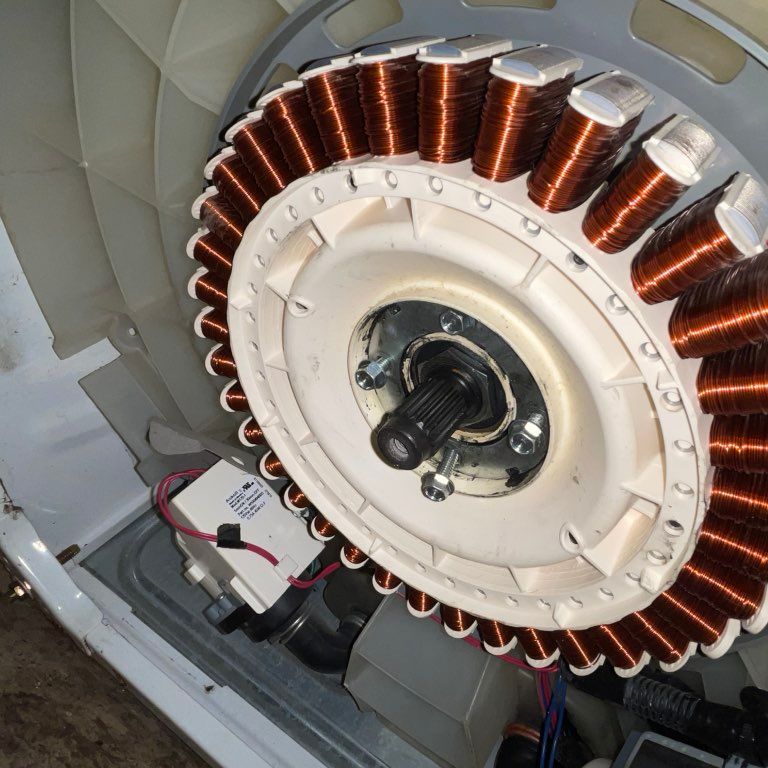
Pay particular attention to photos of actual work done by the professional. Try to find photos and reviews that prove the professionals have experience fixing refrigerators, washing machines, dishwashers, ovens, microwaves or whatever type of appliance you have that needs repairs.
You should also check to see if the pros have any credentials. For example, you could search the Texas Department of Licensing and Regulation to see if any pros have a relevant license.
Your last step is to ask several pros to send you free estimates so you can compare costs and make an informed decision.