

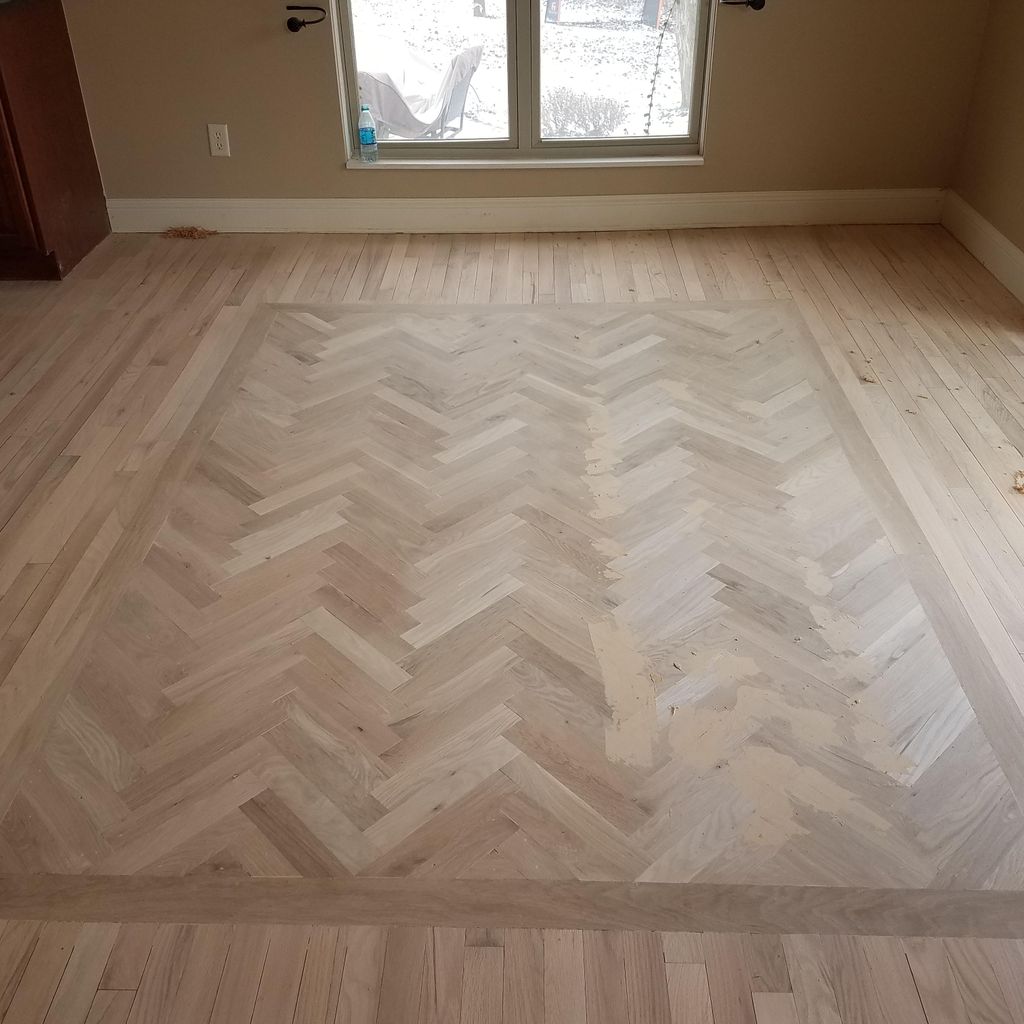

How do I choose a floor repair company?
When choosing a professional to repair your floors, here are some steps that can help:
Ask about insurance and licensing: Pros will often have general liability insurance to cover any potential damage. Some may also have a general contractor's license or flooring-specific certifications, but requirements vary by region.
Get several estimates: An estimate should be itemized with costs for labor and materials. It should also outline the scope of the repair and include a project timeline.
Read reviews: Look for mentions of punctuality, good communication, and how well the repair matches the existing floor.
Look at portfolios: Check for before-and-after photos of repairs similar to yours. Pay attention to how seamlessly the new materials blend with the old in terms of color, grain, or pattern.
Find out about warranties: Many companies offer a warranty on their workmanship, which can protect you if the repair fails within a specific period.
Ask other questions, like: How will you manage dust and protect my home's other features? How do you match the new material to my existing floor? Will you or a subcontractor be doing the work?
What can make floor repairs more expensive?
A few factors can impact the cost of your floor repair, including:
Type of flooring: The material itself is typically the biggest factor. Repairing high-end hardwood or custom tile can cost much more than fixing standard laminate or vinyl flooring.
Extent of the damage: Fixing a few minor scratches or a single cracked tile is generally a much smaller job than addressing widespread water damage or deep gouges across a room.
Subfloor condition: Sometimes the problem isn't just on the surface. If the subfloor beneath your flooring is also damaged, it might need to be repaired or replaced, which can add significant time and cost to the project.
Repair complexity: The specific repair method can affect the price. For example, weaving in new hardwood planks to match an existing floor is often more time-consuming than replacing a square of carpet.
Materials and finish: The cost will usually include any new materials needed, like replacement boards, tiles, or grout. If the floor needs to be refinished or sealed after the repair, that can also add to the final price.
Can a pro repair any type of flooring?
Most types of flooring can be repaired by a professional, but your repair options will depend on the material and extent of the damage. Flooring pros often repair hardwood, engineered wood, laminate, vinyl, tile, stone, and concrete floors. Typical fixes include replacing damaged sections, fixing cracks, and restoring finishes.
Some floors with severe or widespread damage may need to be replaced. A flooring pro can help take a look at your floor, explain what’s repairable, and recommend an appropriate solution.
Do floor repair companies also refinish and replace flooring?
Yes, many floor repair companies also offer services like hardwood floor refinishing and flooring replacement. Along with fixing damaged areas, they may be able to refinish your floors to restore their appearance and extend their lifespan. If a floor is beyond repair or you want a new look, many flooring pros can also fully or partially replace it.
Working with a pro who offers all three services can make it easier to compare options so you can pick one that suits your home, budget, and long-term plans.
What problems can be fixed by a floor repair company?
Typical repairs include fixing scratches or dents, replacing damaged boards or tiles, repairing loose or squeaky sections, and filling in cracks or chips. Water damage, uneven spots, and worn finishes are also problems that often need professional attention.
A flooring pro will typically assess your floor's damage, recommend the right repair, and restore your floor to help it look tidier and last longer.