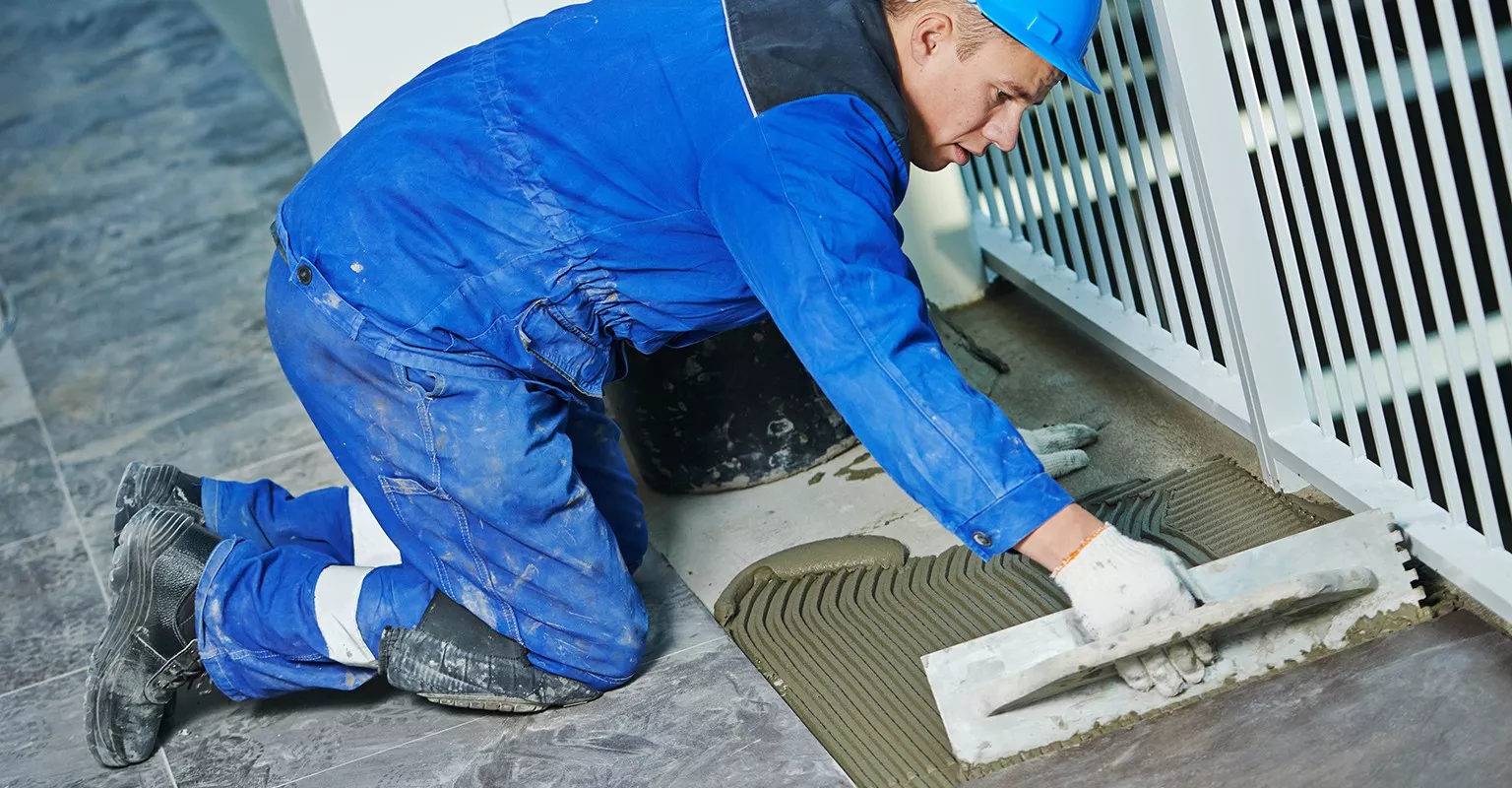
What do tile removal services include?
Tile removal services typically include:
Tile demolition and removal: Pros may break up and remove tiles from floors, walls, backsplashes, or showers using specialized tools.
Thinset and adhesive removal: After the tiles are removed, installers often scrape or grind away leftover mortar or adhesive from the surface.
Surface inspection and prep: The underlying subfloor or wall is checked and smoothed so it is ready for new tile or another finish.
Debris disposal: Broken tiles, dust, and construction waste are typically collected and removed from the work area.
Minor surface repairs: Some pros may patch small sections of subfloor or drywall before the new installation begins.
Do I pay to use Thumbtack to find tile removal services?
No, Thumbtack is free to use to find tile removal services. You can request cost estimates, contact pros, compare prices, and book services at no cost.
Can professionals repair sections of tile instead of removing everything?
Yes, professionals can often repair or replace specific sections of tile without removing the entire surface. This approach is often used when only a small area is damaged and the surrounding tiles are still in good condition.
Is it worth it to remove old tile?
Yes, removing old tile is often worth the effort, especially if you're updating your home's style or fixing damaged tiles. This step is crucial for creating a clean, level subfloor for your new flooring. A properly prepared surface helps ensure a professional-looking installation and can prevent future problems.
Do tile removal pros offer related services?
Tile professionals often provide additional services related to installation, maintenance, and repair. These may include:
Grout installation and repair: Pros can apply new grout during installation or remove and replace damaged or discolored grout.
Tile sealing: Some tiles and grout benefit from sealing to help protect against stains and moisture.
Subfloor or wall preparation: Installers may level subfloors, install backer boards, or repair wall surfaces before laying tile.
Tile cutting and custom fitting: Professionals can cut tiles to fit around corners, fixtures, or unique layouts.
Tile cleaning and restoration: Some services include deep cleaning tile surfaces and restoring older tile installations.
How should I prepare for a tile removal?
Before your pro arrives for tile removal services, take these steps to ensure a safe and efficient project:
Step 1: Clear the room. Remove all furniture, rugs, plants, and personal items from the area to protect them from dust and give your pro a clear workspace.
Step 2: Cover nearby items and vents. Use plastic sheeting to cover anything that can't be moved, and seal off air vents and doorways to contain dust. This will make cleanup much easier.
Step 3: Keep pets and children safe. Find a secure spot for pets and children away from the work area to keep them safe from noise, dust, and debris.
Step 4: Confirm utility needs. Ask your pro if water or electricity needs to be shut off before they arrive, especially for kitchen or bathroom projects. This prevents unexpected delays.
Step 5: Plan for noise and dust. Tile removal can be very loud and messy. It’s a good idea to plan your day around the disruption, especially if you work from home.
What factors affect the cost of tile removal services?
The final cost of removing your old tile will depend on a range of factors, including:
Size and scope: The total square footage of the tile you need removed is a major cost driver. A small bathroom floor will naturally cost less to clear than an entire kitchen and entryway.
Tile material: Some types of tile, like ceramic, can be easier to break up and remove. Harder materials like porcelain or natural stone may require more time and effort, which can increase the price.
Installation method: The way the tile was originally installed matters. Removing tile set in a thick mortar bed is typically more labor-intensive than removing tile attached with a thin layer of adhesive.
Location and accessibility: A pro may factor in the job's location. A project in a hard-to-reach area, like a small upstairs bathroom, could cost more than one in an open, ground-level space.
Debris removal and disposal: The cost to haul away and dispose of the old, broken tile and other materials is often factored into the total price.
What should I look for when hiring a tile removal pro?
Good steps to take when you're looking for a tile removal pro include:
Verify their insurance: Confirm they have general liability insurance to cover potential damage, and keep in mind that requirements vary by region.
Get several estimates: A proper estimate should detail costs for labor, equipment, debris disposal, and any necessary subfloor preparation. It should also include a project timeline.
Read their reviews: Good reviews often mention cleanliness and care in protecting the home from dust. Red flags can include complaints about messy worksites, hidden fees, or subfloor damage.
Look at their portfolios: Look for photos of clean worksites and smooth, prepped subfloors. Before-and-after photos of a full flooring replacement can also show their attention to detail.
Find out if they have warranties: Warranties usually apply to new installations, but a pro may guarantee their removal work against damage to the subfloor or surrounding areas.
Ask important questions: Ask: How will you contain dust? Is debris hauling included in the quote? What condition will the subfloor be in when you’re done?