20 easy ways to go green at home
Thumbtack Staff•Last updated Apr 20, 2022
Last updated Apr 20, 2022
Table of Contents
- 1. Use eco-friendly house cleaning products.
- 2. Upgrade to energy-efficient appliances.
- 3. Insulate and weatherproof your home.
- 4. Choose eco-friendly materials for your home improvement projects.
- 5. Recycle your junk and electronics.
- 6. Use recycled paper products.
- 7. Find creative ways to reuse items instead of throwing them away.
- 8. Limit how much plastic you use.
- 9. Replace your bathroom fixtures.
- 10. Fix leaks immediately.
- 11. Compost at home to reduce waste.
- 12. Start a garden.
- 13. Use mulch.
- 14. Be smart when watering your lawn.
- 15. Don’t overwater your houseplants.
- 16. Plant a few trees in your yard.
- 17. Choose native plants when landscaping.
- 18. Create a safe haven for pollinators.
- 19. Limit the use of chemical pesticides.
- 20. Regularly inspect and maintain your home.
- Thumbtack pros can make your home greener.
- FAQs
Find local pros for your project
Search for pros
Sustainability and going green are hot topics these days. If you’re thinking about living a more eco-friendly lifestyle but not sure where to begin, your home is a great place to start.
From your attic to your yard, green living starts at home — and there are many easy things you can do to help the environment and ecosystem. It all starts with simply changing a few of your habits and preferences.
1. Use eco-friendly house cleaning products.

Look at the cleaning supplies in your home and make changes wherever you see fit. DIY cleaners with simple, safe ingredients like vinegar, baking soda, lemon juice, and essential oils can work well in many cases. Some companies make green cleaning supplies, so research a few alternatives before you buy new products.
And when you hire a house cleaning service, ask about their products. Many professionals can clean your home with environmentally friendly cleaners at your request.
2. Upgrade to energy-efficient appliances.

Sustainable homes often have newer Energy Star-certified appliances that help conserve resources. Energy-saving appliances can lower your energy bills and add value to your home. Here are a few tips to keep in mind for your major appliances.
Dishwasher
When a dishwasher runs on its most efficient settings, it can help you save more water than washing dishes by hand. An Energy Star dishwasher uses only three gallons per load — far less than the 27 gallons you use if you wash dishes in the sink, according to the Natural Resource Defense Council.
Refrigerator
Switching to an Energy Star fridge can potentially save you $200 or more over its 12-year lifespan. If you can’t get a new fridge right now, perform basic maintenance to avoid wasting energy. Check your seals and replace them if necessary. You can also adjust the temperature so the fridge stays at 35 to 38 degrees.
Water heater
Consider replacing your standard natural gas tank water heater with a tankless, on-demand water heater. You could potentially save 30% of energy, according to the CDC.
Pro tip: You can hire an inspector to perform a home energy audit or assessment. During this audit, a professional will explain how much energy you’re using and losing and suggest ways to make your home more efficient.
3. Insulate and weatherproof your home.

You can conserve energy, lower your energy bills, and prevent air leaks by sealing and insulating your home. Before the warmest and coldest months hit, make sure there aren’t any gaps or cracks in your windows, doors, and other areas. If you have weak spots, look into caulking and weather stripping services.
You should also ask an insulation contractor to inspect your home and identify any areas that need insulation.
4. Choose eco-friendly materials for your home improvement projects.

Completing a home remodeling project is a great way to add value to your home, make it attractive to potential buyers, and increase your own enjoyment.
However, do your research when choosing materials and finishes like wood and paint. Consider eco-friendly materials from renewable sources, and find out whether there are recyclable, reusable, or biodegradable options. There are often recycled-content options available for carpet, ceiling tiles, flooring, roof systems, paint, and more.
Here are a few more general tips to keep in mind:
- Windows: Opt for high-performance windows instead of standard ones.
- Paint: Select paints that comply with the Green Seal standard and have minimal VOC emissions.
- Wood products: Choose wood that’s been certified by the Forest Stewardship Council, which indicates the wood came from a responsibly managed forest.
- Roof system: When updating your roof system, choose light colors instead of dark ones. Light colors can reflect heat, save energy, and reduce heating and cooling usage.
Of course, material quality and cost should also be important factors in your decision. But if your goal is to adopt a sustainable lifestyle, find out how the materials — and the way they’re produced — affect the environment. You can find more information from the Department of Energy.
5. Recycle your junk and electronics.

Recycling is another eco-friendly habit you should adopt to make your home more sustainable. Make it a point to recycle plastics, paper, metal, and electronics. This includes laptops, TVs, printers, phones, and more.
So if you’re decluttering your home and planning to throw away a lot of items, first find out if there are any e-waste recycling services near you.
Did you know? Electronics that are thrown away instead of recycled can end up in landfills. They can also leak toxins into the soil and air, according to the CDC.
6. Use recycled paper products.

In addition to recycling, you can also use recycled paper products, like paper towels and napkins. This can make a big difference in preserving resources. Paper products are a huge source of deforestation and waste. In fact, “paper and paperboard products made up the largest percentage of all the materials in MSW [Municipal Solid Waste], at 23.1 percent of total generation” in 2018, according to the EPA.
The next time you’re out shopping, the CDC recommends purchasing green products that contain “30% or greater post-consumer recycled content.”
7. Find creative ways to reuse items instead of throwing them away.

Feeling crafty? If you have something that can be reused, try it. Fill an empty pickle jar with spare change on your desk to encourage healthy spending and save some money for a rainy day. Reuse containers such as egg cartons to start seeds in the springtime. The possibilities are endless — and fun.
8. Limit how much plastic you use.

Limiting your consumption and use of plastic products is a crucial part of green living. Single-use plastics like water bottles, straws, bags, and utensils are a huge burden on oceans and landfills around the world.
Here are some ways you can cut back on using plastic:
- Cook more instead of ordering in — and when you do order in, don’t request utensils.
- Buy and use reusable items — such as grocery bags, straws, and food containers.
- Shop in bulk — and avoid buying individually packaged goods.
- Don’t buy bottled water — instead, invest in a water filter.
9. Replace your bathroom fixtures.

Consider replacing your bathroom fixtures with more eco-friendly options to save water. For example, start by replacing your faucets and showerheads with aerating and low-flow versions with the WaterSense label, recommends the CDC.
Another idea: stop taking hour-long showers. Your standard showerhead uses about 2.5 gallons of water per minute, so limiting time in the shower is a good way to be more sustainable at home.
10. Fix leaks immediately.

We can’t say this enough: Never neglect a leak, no matter how minor you think it might be. Whether it’s under your sink or in your walls, address it as soon as you notice it. Otherwise, you could be wasting gallons of water every day. You also risk severe water damage, which could cost you a small fortune in repairs.
11. Compost at home to reduce waste.

Food waste accounts for up to 30% to 40% of the food supply, according to the Food and Drug Administration. While making sure not to buy too much food is the first step, you can also start a compost pile. Composting ensures the waste won’t end up in landfills. Other benefits of composting include richer soil that you can then put back into your yard, plus fewer methane emissions from landfills.
Reduce waste by creating a compost pile in your backyard or inside your home. The EPA provides tips and ideas on how to do both.
12. Start a garden.

A simple backyard garden is a fun way to spend time with your family. It’s also one of the best ways to go greener. You can grow your own vegetables, fruits, herbs, flowers, and more. When selecting plants for your garden or yard, look for ones that are low-maintenance and don’t require too much water.
13. Use mulch.

One way to have environmentally friendly landscaping is to apply mulch — an organic matter consisting of leaves, grass clippings, wood chips, or compost — to your plants’ roots, including flower beds, vegetables, lawns, trees, and shrubs. Mulch helps your soil retain moisture, which can help you conserve water. It also promotes healthy plant growth.
14. Be smart when watering your lawn.

If you have a lawn, get the most out of every drop of water by watering it separately from your other plants. The EPA also recommends watering early in the morning, when the water is less likely to evaporate.
Inspect your sprinkler and irrigation system regularly. Double-check sprinkler head placement to make sure water isn't being wasted on your pavement and outdoor structures. And don’t forget to put your sprinklers on a timer.
Pro tip: Drip irrigation systems are known to help you save water because “very little is lost to evaporation and the water can be directed only to the plants that need it, cutting back on water waste,” according to the United States Geological Survey.
15. Don’t overwater your houseplants.

Not only is overwatering a waste, but it can also harm your indoor plants. Instead, err on the side of caution and let the soil dry out a little between waterings. If your houseplants are wilting, go ahead and water them.
Even better? Choose low-water plants, like snake plants, pothos, cast-iron plants, aloe, and other succulents.
16. Plant a few trees in your yard.

You may want to consider planting native trees in your yard. Trees provide plenty of environmental benefits, including keeping the air clean and conserving energy. For example, planting a large shade tree can help keep your home cool, which means you could save energy and lower your energy bill.
17. Choose native plants when landscaping.

You can help support a fragile ecosystem by planting native plants. Native plants provide a natural food source and shelter for birds, insects, and other animals. They require minimal upkeep because they’re accustomed to the terrain, climate, and soil. Plus, native plants can help reduce water runoff and air pollution.
18. Create a safe haven for pollinators.

Birds, bees, flies, moths, butterflies, and other wildlife transfer pollen from plant to plant. The process is called pollination, and it’s a vital part of our ecosystem. Pollinators help produce food and crops, stabilize soil, and clean the air.
You can provide a home for pollinators by choosing the right plants to grow. For example, consider growing dogwoods, willows, or blueberries, recommends the USDA. You should also create a mix of different plants and flowers so you can attract various pollinators.
19. Limit the use of chemical pesticides.

Before you reach for a chemical pesticide to get rid of pests in or outside your home, consider other pest management options, such as:
- Using non-chemical pest control. This can include setting traps, using certain vinegars, and opting to handpick weeds instead of spraying them.
- Maintaining a healthy lawn and garden. The healthier your plants, the stronger they are to resist pests.
- Eliminating pests’ food and water resources. This means you should clean up spills and crumbs in your house, keep your food tightly sealed, and ensure that your trash can is covered.
- Sealing cracks and holes around your home. Rodents, ants, cockroaches, and other pests love hiding in tight, dark areas. Seal them up.
If you must use chemical pesticides, read the directions carefully. Incorrect usage can harm the environment and wildlife. When in doubt, talk to a pro who offers eco pest control services and carefully selected products.
20. Regularly inspect and maintain your home.
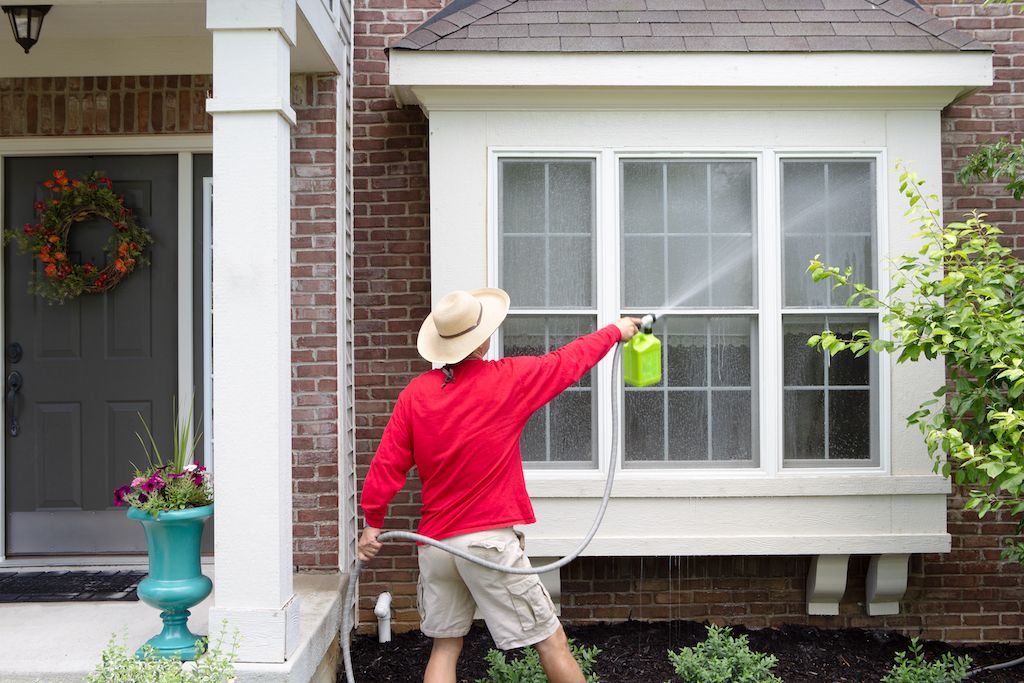
Home maintenance isn’t always fun, but it’s key to going green at home. By regularly inspecting, cleaning, and performing repairs around the house, you’ll find opportunities to be more environmentally friendly and conserve energy.
For example, when you complete important maintenance tasks before summer hits, you might discover you need to seal your home, repair your AC or heating unit, or even upgrade your roofing system to avoid wasting energy. All of these tasks can help you become more energy-efficient and protect the environment.
Thumbtack pros can make your home greener.
Reach out to our professionals on Thumbtack to help you create a greener, more sustainable home. Search for home remodeling and maintenance experts today.
FAQs
What’s the difference between sustainable living and going green?
It’s important to understand that going green is different from sustainable living. “To pursue sustainability is to create and maintain the conditions under which humans and nature can exist in productive harmony to support present and future generations,” states the EPA.
Meanwhile, going green sometimes only refers to the eco-friendly products we use and buy, like appliances and clothing. However, some products that are considered “green” might not be truly sustainable because of how they're produced and made. So if your mission is to live sustainably, take the time to do your research.
How it works.

Search.
Browse profiles, see prices and use filters to find pros who match your project.

Chat.
Contact the pros you like to discuss project details.

Hire.
Check pro availability and book appointments right in the app.
Find local pros for your project
Tell us what you're looking for and we'll show you pros right for the job, with prices.