
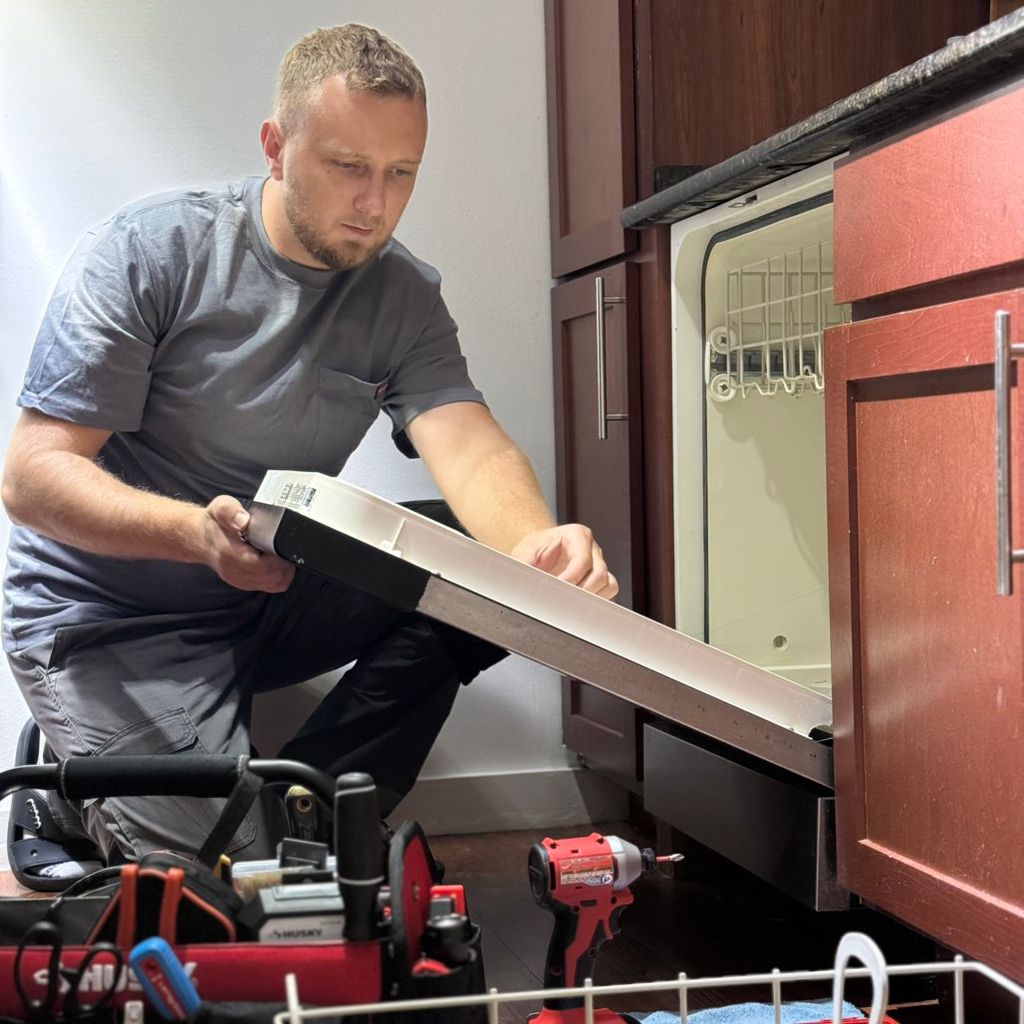

Do gas range repair pros in Chicago need a license or special credentials?
Yes, in Chicago, any work on gas supply piping requires a licensed plumbing contractor. While other gas range repairs may not require a specific license, it's always smart to verify a pro's credentials. You can look up business licenses on the City of Chicago's website to be sure before you hire someone.
What's the best time of year to schedule gas range repairs in Chicago?
If you can, it's generally best to schedule gas range repairs for late summer or early fall. This window allows you to get ahead of the frigid winter weather and heavy lake-effect snow, ensuring your appliance is reliable when you’re likely to be cooking at home more often. Technicians also tend to have more availability before the holiday season rush begins.
What local factors can affect gas ranges in Chicago?
Chicago's harsh winters mean gas appliances often work overtime, which can lead to wear and tear. Additionally, many of the region's older homes have aging gas lines that benefit from an expert’s touch for safe and effective repairs. A pro can ensure everything is up to code and working correctly, giving you peace of mind.
Is it worth repairing a gas range?
Yes, repairing a gas range is often worth it, especially if the appliance is less than 10 years old and the repair cost is less than half the price of a new one. For more complex issues on an older model, it’s a good idea to weigh the repair estimate against the cost of a new gas range installation. This helps you decide which option makes the most financial sense.
What factors can impact the cost of fixing a gas range?
There are several factors that might impact the cost of this project, including:
The type of repair needed. A simple fix, like replacing a faulty igniter, will typically cost less than a more complex issue, such as a gas leak or a malfunctioning control board.
The cost of replacement parts. The price of parts can vary widely. A new knob is inexpensive, but a new electronic display or main circuit board can be a significant part of the total cost.
Your range’s age and model. Parts for older, discontinued, or high-end models can be more expensive and difficult to find. If a repair is particularly costly, it may be worth comparing it to the price of a new gas range installation.
Labor and accessibility. The amount of time it takes a pro to diagnose and fix the problem will affect the cost.
Warranty coverage. If your gas range or the specific part that failed is still under a manufacturer's or home warranty, it could cover some or all of the repair costs.
What issues can a gas range repair pro help with?
Pros can typically help with a wide range of issues. Some of the most common repairs involve:
Burner issues: A surface burner that won’t light is a frequent complaint. This can be caused by a faulty igniter, a dirty burner cap, or clogged ports that need cleaning.
Oven temperature problems: If your oven isn’t heating correctly or the temperature is inconsistent, it often points to a bad igniter, a faulty temperature sensor, or a failing heating element.
The smell of gas: This is a critical issue. If you smell gas when the range is off, it could signal a leak. In some cases, a major issue might mean it's safer to opt for a new gas range.
A noisy surface burner flame: A loud, "whooshing" sound from your burners usually means the air-to-gas mixture needs adjustment.
Oven door problems: An oven door that won’t shut or seal properly can cause major heat loss and uneven cooking. This is typically due to worn-out hinges or a damaged door gasket.