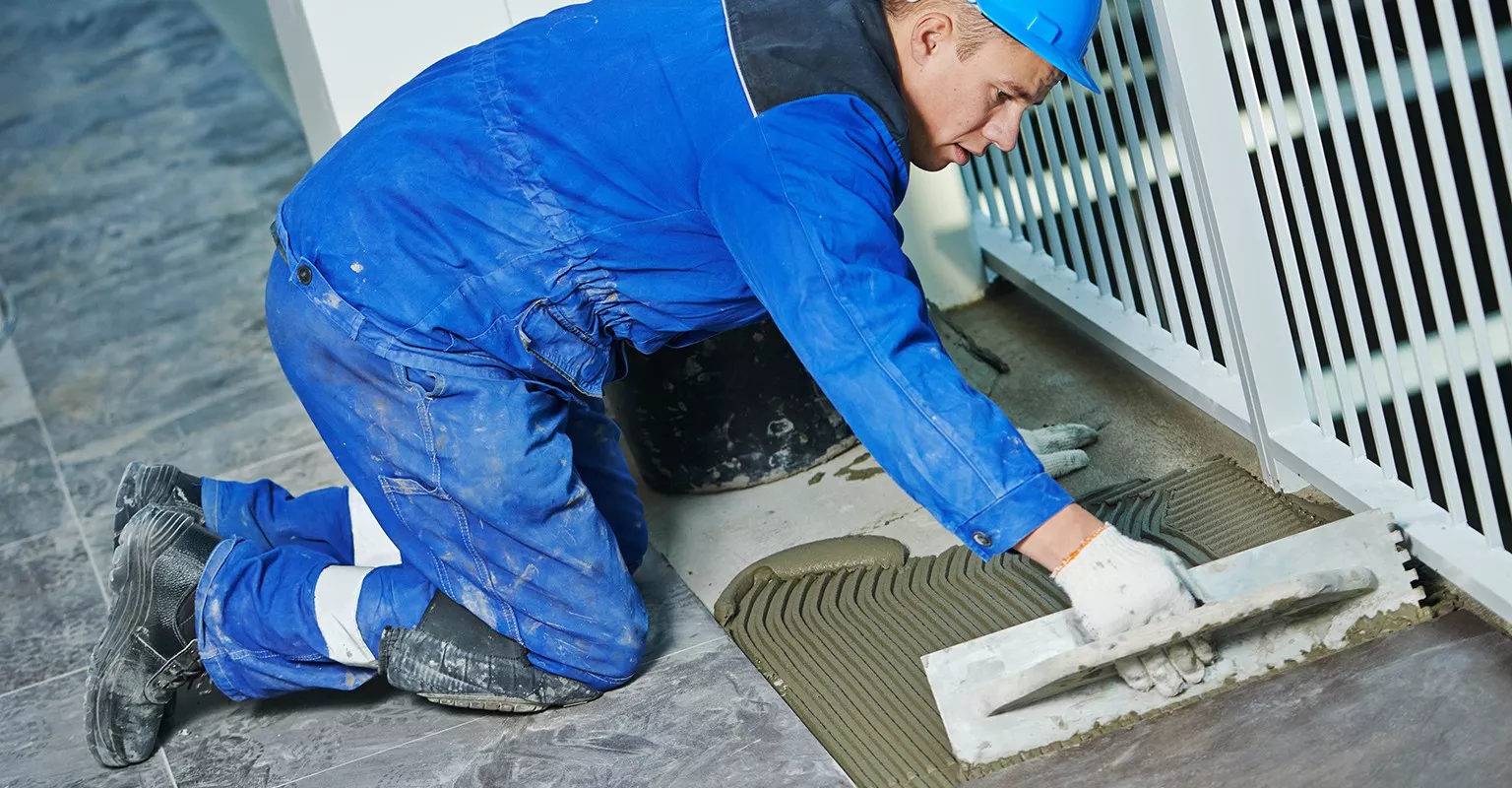



How do I hire a stone tile installation professional?
Taking these steps can help you find the right professional to install stone tile:
Verify their credentials and insurance: Look for a contractor with general liability insurance. Certifications from organizations like the Ceramic Tile Education Foundation (CTEF) are also a great sign of expertise.
Get several estimates: A proper estimate should break down the costs for materials like tile, grout, and sealant, as well as labor. It should also include a clear project timeline and any fees for removing old flooring.
Read their reviews: Good reviews often mention attention to detail, such as clean grout lines, level tiles, and good communication. Be wary of comments about messy job sites, unexpected costs, or poor craftsmanship.
Look at their portfolios: Check for clear photos of finished stone tile work. Zoom in on the details — you want to see precise cuts, consistent spacing, and a clean finish around edges and fixtures.
Find out if they have warranties: Reputable installers often provide a workmanship warranty that guarantees their installation for a certain period. The tile and sealant products may also come with their own manufacturer's warranties.
Ask important questions: Consider asking, “What is your process for preparing the subfloor?” and “How do you plan to protect my home from dust and debris during the project?”
What questions should I ask before hiring a stone tile installation pro?
Good questions to ask before hiring a professional for stone tile installation are:
How much experience do you have installing this specific type of stone?
Are you bonded, and insured?
Can you provide a detailed, itemized quote that includes materials, labor, and any other potential fees?
What is the estimated timeline for the project, from preparation to completion?
What steps will you take to prepare the subfloor or surface for installation?
How will you manage dust and debris, and what does your cleanup process look like?
Do you offer a warranty on your workmanship or the materials used?
What factors affect the cost of stone tile installation?
The cost of installing stone tile will often vary depending on a range of factors, including:
Project size: The total square footage you need tiled is a major cost driver. A small bathroom floor will naturally cost less than tiling an entire kitchen and entryway.
Type of stone: The material you choose plays a big role. Natural stones like marble or granite can be more expensive than options like slate or travertine, and some are more difficult to install.
Job complexity: A simple grid pattern on a flat, square floor is more straightforward than a custom mosaic or a herringbone design. The number of cuts needed for corners and fixtures can also add to the labor time.
Site preparation: Your final cost may change depending on the prep work required. This can include removing old flooring, repairing or leveling the subfloor, and ensuring the surface is ready for tile.
Labor rates: The cost of labor can vary based on your location and the pro’s level of experience. A seasoned installer with specialized skills may charge more for their expertise.
Can pros install stone tiles directly to drywall?
It's generally not recommended to install stone tile directly onto drywall. Drywall isn't strong enough to hold the weight of the stone and can be damaged by moisture from the mortar. For a durable, long-lasting installation, professionals typically install a cement backer board first to create a stable and water-resistant surface.
What type of maintenance do stone tiles need?
Your stone tiles typically need regular cleaning with a pH-neutral cleaner to avoid damaging the surface. You’ll also want to reseal the grout every one to two years to protect against stains and moisture. Depending on the type of stone, it may need professional polishing every few years to maintain its shine.
What types of stones are used in residential tile projects?
Many residential tile projects use natural stone because it offers durability and a distinctive appearance. Different stones are chosen based on the room, style preferences, and how much wear the surface will receive. Common types include:
Marble: Often used for bathroom floors, shower walls, and decorative tile features because of its smooth surface and natural veining.
Granite: A very durable stone commonly used for floors, countertops, and high-traffic areas.
Slate: Known for its textured surface and natural color variations, often used for flooring and entryways.
Travertine: A porous stone frequently used for bathroom tiles, floors, and backsplashes.
Limestone: A softer natural stone used for flooring, wall tiles, and decorative surfaces in residential spaces.