
How do I choose a wildlife removal service?
When looking for a wildlife removal pro, the following steps can help:
Verify license and insurance: Many states require a specific wildlife control operator license, and handling some animals may require special permits. A pro should also have general liability insurance to cover any potential property damage. Requirements vary by region.
Get several estimates: An estimate should detail the cost of the initial inspection, the proposed removal method, and any fees per animal. If included, it should also list costs for sealing entry points, repairing damage, and cleanup or decontamination.
Read reviews: Look for reviews that praise a pro’s humane methods, thoroughness, and communication. Red flags may include mentions of recurring infestations, unexpected fees, or damage to the property.
Ask other questions, like: What methods do you use to remove animals, and are they humane? What's your long-term plan to prevent them from returning?
Can I read customer reviews of wildlife removal pros on Thumbtack?
Yes, you can access customer reviews for wildlife removal professionals on Thumbtack.
In addition to written reviews, you may also see an overall star rating based on customer feedback. Looking at both reviews and ratings can give you a more complete picture of what to expect before hiring.
Note: You may find some pros who are new to the platform and don't have reviews just yet.
Do wildlife removal pros offer other services?
Yes, some wildlife removal professionals offer additional services beyond simply removing animals. These may include:
Inspection and assessment: Many professionals can inspect your property for entry points and areas of activity.
Exclusion and prevention: They may seal gaps, repair vents, and install barriers to help stop animals from returning.
Cleanup and sanitation: Some services include removing droppings, nesting materials, and even odors left behind by animals.
Ongoing monitoring: In certain cases, a pro might provide follow-up visits to help ensure the problem is fully resolved.
How much does it cost for a pest control service?
Whether you need to get rid of bugs or rodents, pest removal professionals can be lifesaving when you have an infestation. Pest control prices will vary based on what type of pest is being removed. The national pest control price range is $80-$130, although prices can be much higher for tasks like wildlife removal (raccoons, bobcats, etc.), which might start at $250 and exceed $500, depending on the animal and the trapping measures required.
The cost of eliminating a termite colony ranges on average from $240 to $400, but these costs can increase greatly if the whole house is infested. The average cost to kill cockroaches is between $80 and $130, while bedbug extermination ranges from $320 to $400 on average. The main factors that will affect your pest control price are the type of pest, the extent of the infestation, the accessibility of the infested areas, and the type of treatment required.
What types of animals do wildlife removal services handle?
Wildlife removal services can handle a wide range of animals that may enter homes, yards, or commercial properties. For example:
Small mammals: Animals like raccoons, squirrels, opossums, and skunks are often removed from attics, crawl spaces, or yards.
Rodents: Mice and rats are frequent intruders that wildlife removal experts can help trap and manage.
Bats. Professionals can help safely remove bats and seal entry points to prevent future infestations.
Birds: Services may include removing birds or nests from vents, chimneys, or rooftops.
Reptiles: In some areas, wildlife specialists may also handle snakes or other small reptiles.
How can I tell if I need wildlife removed?
Common signs that it’s time to hire wildlife removal services include:
Unusual noises: If you hear scratching, scurrying, or squeaking sounds coming from your walls, attic, or beneath the floorboards, animals may have moved in.
Droppings and urine stains: Animal droppings or new stains on ceilings or walls can point to a hidden pest problem.
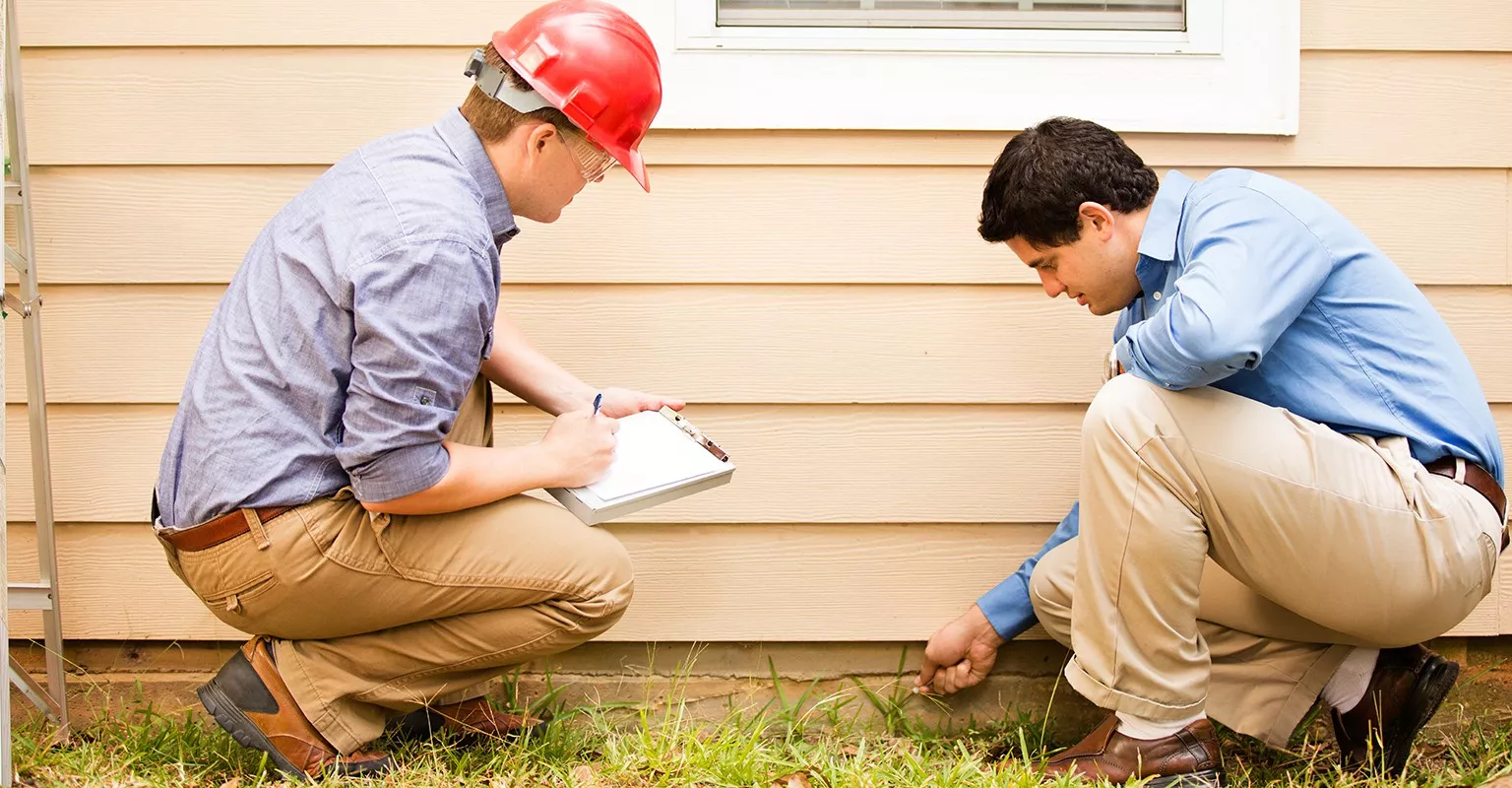
Property damage: Look for signs like chewed electrical wires, gnawed wood, torn insulation, or holes in your home’s exterior or foundation.
Nests or burrows: Burrows near your foundation or nests made from twigs, leaves, and debris in your attic or crawl space are all indicators of an infestation.
Strange odors or sightings: In some cases, you may actually be able to see animals around your house or eaves, or notice a persistent, musky smell with no obvious source.
Why should I hire a wildlife removal service?
Hiring a licensed wildlife removal professional helps ensure the job is done safely, legally, and effectively. These pros are typically trained in:
Safe handling: Licensed professionals generally understand the best ways to remove animals with minimal risk to you, your family, or the animal.
Knowledge of laws: Wildlife removal is often highly regulated, and licensed pros can understand local rules about handling and relocating animals.
Proper equipment: They should have access to specialized tools and humane methods to remove animals efficiently.
Prevention expertise: Professionals can help identify entry points and may even be able to secure your home to help prevent future infestations.
Health measures: Pros typically know how to safely clean and sanitize areas affected by droppings or nesting materials.
Working with a licensed pro can help ensure your problem is handled responsibly while reducing the risk of recurring problems.
What type of damage can wildlife cause to my home or yard?
Wildlife can cause a variety of damage to both your home and yard, especially if animals nest or stay on your property for a long time. The impact can range from minor issues to more serious structural and health concerns, including:
Structural damage: Animals may chew through wood, drywall, and roofing. They can also damage vents, siding, or foundations.
Electrical hazards: Rodents and raccoons often chew on wiring, which can create fire risks or power issues.
Insulation and attic damage: Nesting animals can tear up insulation and leave behind droppings and debris.
Yard and landscaping damage: Wildlife may dig holes, damage plants, or disturb soil and garden beds.
Health risks: Droppings, urine, hair, and food scraps left behind can carry bacteria and create unsanitary conditions.
Calling in a professional to address wildlife issues early can help protect the safety of your home and outdoor spaces.