
What is home staging?
Home staging is the process of preparing a house for sale to make it more appealing to potential buyers. This typically involves decluttering, rearranging furniture, and adding decor to highlight a home's best features. The goal is to help buyers envision themselves living in the space, which can lead to a faster sale.
Do I need a pro for home staging?
Deciding whether to hire a pro of stage your home yourself often depends on your budget, timeline, and local market conditions.
DIY may work if: You have a good eye for design, minimal clutter, and neutral furnishings that appeal to buyers.
Hire a pro if: Your home is vacant, uniquely styled, or in a competitive market where presentation matters. Professional stagers understand buyer trends and how to highlight key selling features.
DIY might save money upfront, but professional staging often maximizes appeal and return on investment.
What are the steps to staging a home?
Home staging involves preparing a property to look appealing and market-ready for potential buyers. The usual process involves these steps:
Declutter and depersonalize: Remove excess items, family photos, and personal decor to create a neutral space.
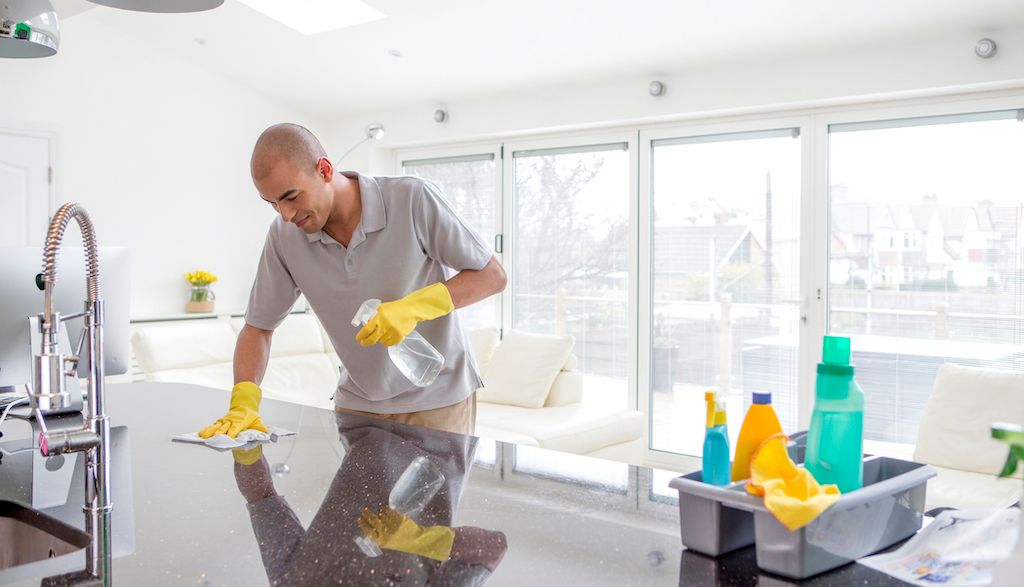
Deep clean: Thoroughly clean floors, windows, kitchens, bathrooms, and all surfaces.
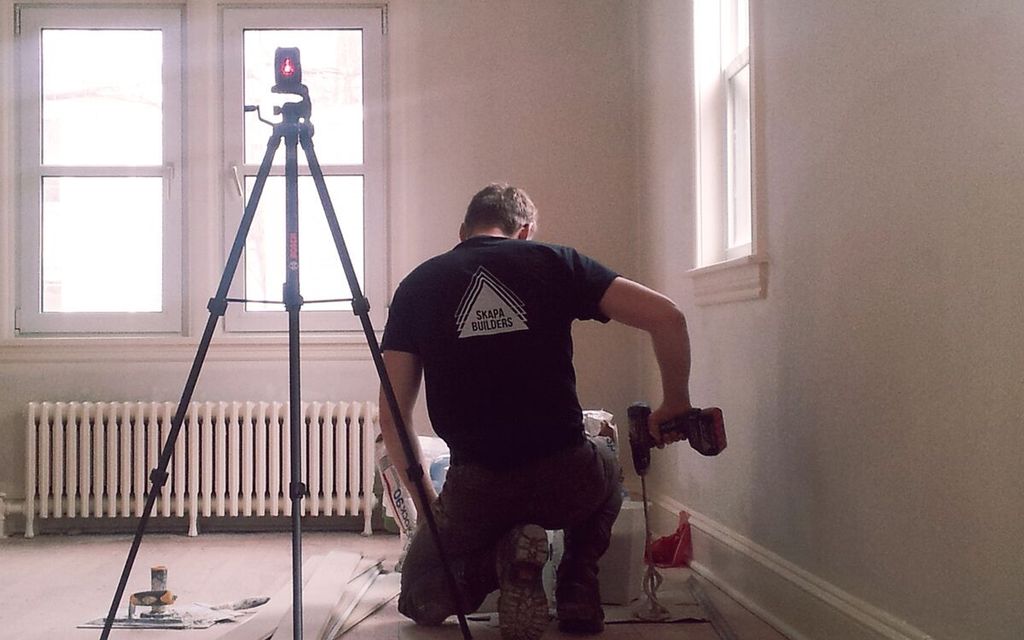
Make minor repairs: Fix scuffs, leaks, loose hardware, or outdated fixtures.
Enhance curb appeal: Tidy landscaping, clean the entryway, and refresh exterior details.
Arrange furniture strategically: Create open flow and highlight the room’s purpose and size.
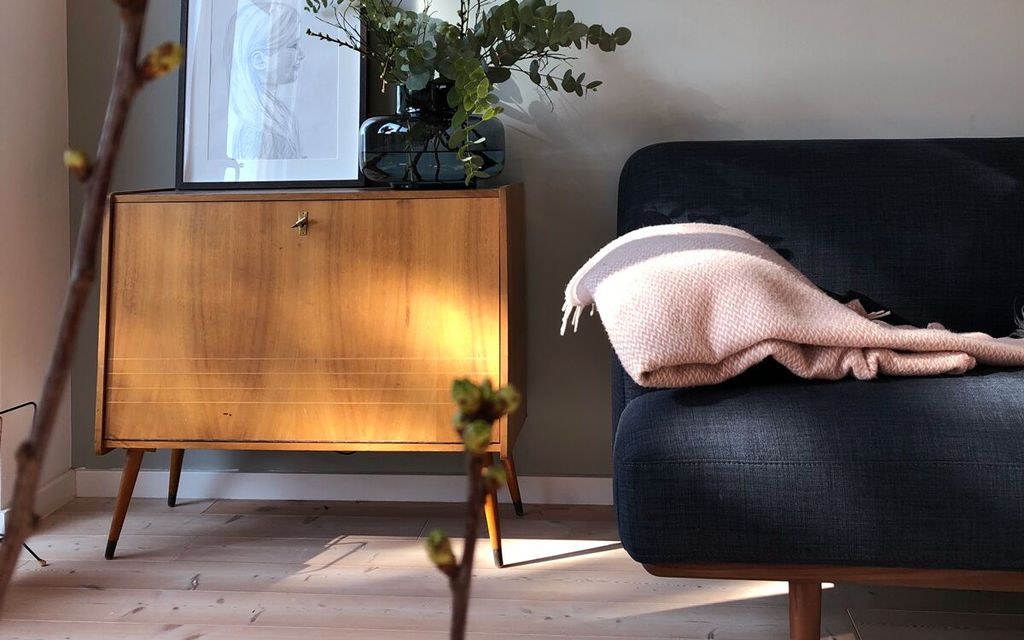
Add finishing touches: Incorporate neutral decor, fresh linens, lighting, and subtle accents.
The goal is to help buyers envision themselves living comfortably in the space.
What are the biggest home staging mistakes to avoid?
Home staging mistakes may make a big difference in how quickly your home sells and at what price, common errors include:
Over-personalizing the space: Family photos, bold decor, or niche themes can distract buyers.
Ignoring clutter: Crowded surfaces and overfilled closets make rooms feel smaller.
Poor lighting: Dark rooms feel uninviting; maximize natural light and add lamps where needed.
Using oversized furniture: Large pieces can overwhelm rooms and restrict flow.
Neglecting repairs: Small issues like chipped paint or loose handles can signal poor maintenance.
Forgetting curb appeal: An untidy exterior may turn buyers away before they step inside.
Simple, neutral, and well-lit spaces tend to attract the most interest.
How do I hire a home staging professional?
When looking for a professional to stage your home, these steps can help you find the right one:
Verify their credentials: While formal licenses aren't usually required for home staging, look for professionals with certifications from organizations like the Real Estate Staging Association (RESA).
Get several estimates: A detailed estimate for home staging should break down all costs, including the initial consultation fee, the monthly furniture and accessory rental fees, and the cost for design, delivery, and de-staging. It should clearly state which rooms are included and the duration of the staging period.
Read their reviews: Look for reviews that highlight a stager's professionalism, design sense, and impact on the home's sale price or time on the market. Red flags could include mentions of poor communication, using outdated decor, or a final result that didn't meet the seller's expectations.
Look at their portfolios: A strong portfolio will feature high-quality 'before and after' photos of various properties. Check if their design style aligns with your home's architecture and target buyers. The photos should show how they create inviting, well-defined spaces that highlight the home's best features.
Find out if they have warranties: Home stagers don't typically offer warranties in the traditional sense, as they can't guarantee a sale. However, their contract should clearly outline the services provided, the timeline, and the condition of the rental items. This contract acts as your guarantee of service.
Ask important questions: Ask questions like, “What is your process if the home doesn't sell during the initial contract period?” and “Who do you see as the target buyer, and how will your design appeal to them?”
How long does it take to stage a home?
Typically, it'll take a few days for a professional to complete a home staging project. There are a few factors that may impact how long it takes. For example:
Scope of the project: Staging a vacant home with rented furniture will often take longer than a simple consultation or rearranging your existing items.
Size of the home: The number of rooms and the total square footage of the property can influence the time needed for setup.
Home's condition: If your home requires significant decluttering, cleaning, or minor repairs, these tasks will extend the project timeline.
Furniture and decor logistics: Sourcing, delivering, and arranging furniture and decor can add time to the schedule.
Client collaboration: The project will usually move faster when there is clear communication and quick decision-making between you and your stager.
What factors affect the cost of home staging?
The cost of staging your home will depend on a range of factors, including:
Size and number of rooms: The cost can increase depending on the square footage of your home and how many rooms need to be staged.
Scope of the project: A simple consultation will usually cost less than full-service staging, which can include decluttering, furniture arrangement, and renting decor.
Furniture and decor rental: If your project requires renting furniture, art, and accessories, the cost and quantity of these items will be a major factor.
Project duration: Staging is often priced for an initial period, such as thirty to ninety days. If you need to extend the staging, there will likely be additional rental fees.
Occupied vs. vacant staging: Staging a vacant home often costs more because it requires furnishing the entire space, while an occupied staging project may use some of your existing furniture.
Do home staging pros also source the furnishings and decor?
Many home staging professionals can source and provide the furnishings and decor needed to prepare a home for sale for the following projects:
Vacant home staging: Stagers typically bring in rental furniture, artwork, rugs, and accessories to fully furnish empty spaces.
Occupied home staging: They may rearrange your existing furniture and supplement with additional decor as needed.
Rental inventory: Many staging companies maintain their own inventory or partner with furniture rental suppliers.
Staging items are usually rented for a set period, with fees based on the size of the home and length of the staging term.