


What's the difference between a carpenter and a framer?
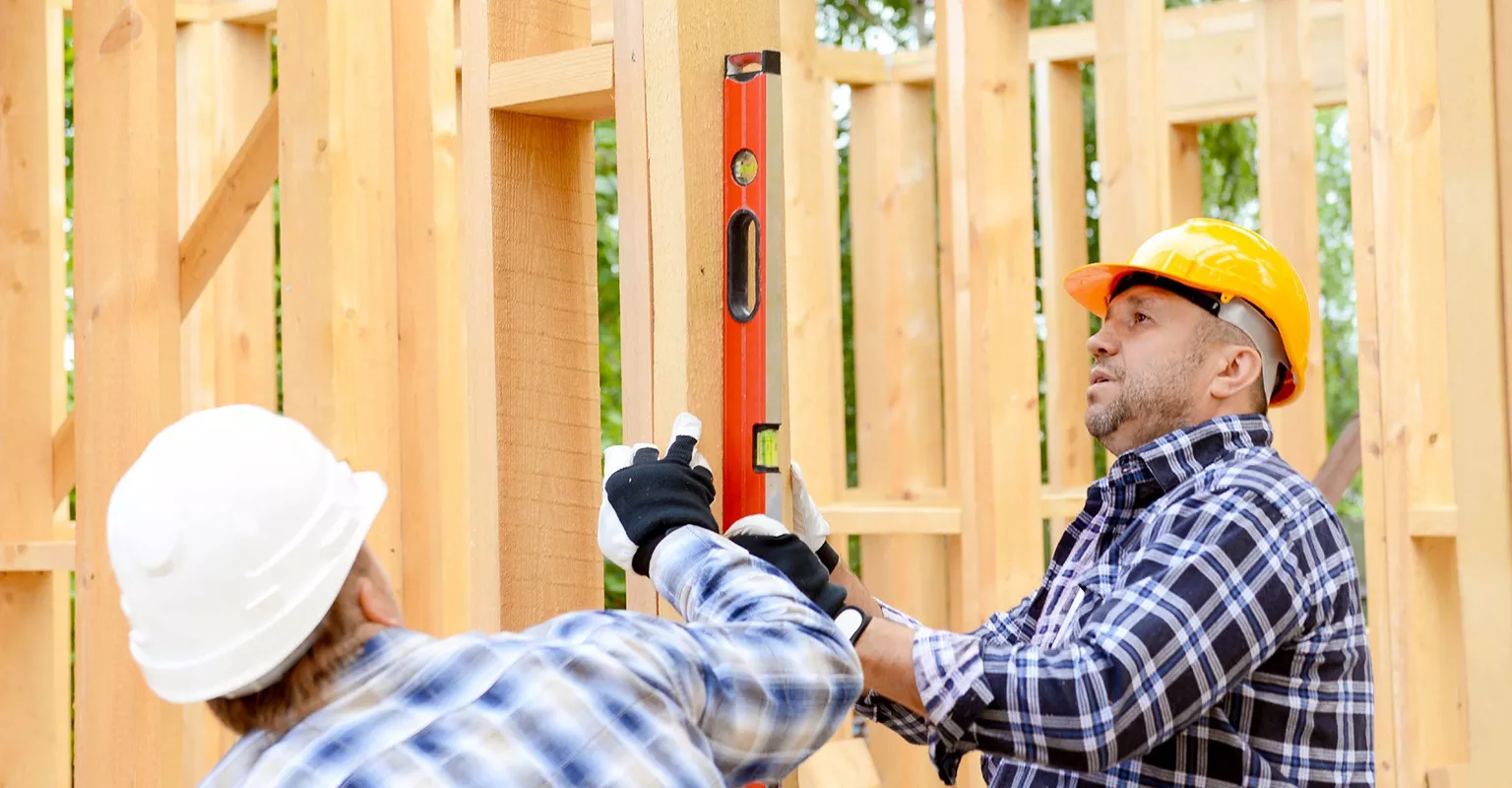
Carpenters and framers both work with wood, but they focus on different stages of construction. Framers specialize in building the structural framework of a home or building, including walls, floors, roofs, and load-bearing elements. Their work forms the basic shape and support of the structure.
Carpenters generally handle a wider range of tasks. This may include framing as well as finish work like trim, doors, cabinets, and built-ins. Their expertise encompasses both structure and detail. A pro can help determine which skill set your project will require.
How long does it take to complete a framing project?
It usually takes a few days to several weeks for a contractor to finish a framing project. A few things can affect this timeline, like:
Project size and complexity: A large, multi-story house with complex rooflines will generally take longer than a simple room addition.
Weather conditions: Poor weather like rain, snow, or high winds can create unsafe working conditions and cause delays.
Material availability: The project may be paused if there are unexpected delays in the delivery of lumber or other essential materials.
Crew size: The number of framers on the job often directly impacts how long it takes.
Site readiness: The job site has to be fully prepped, with the foundation poured and cured, before framing can start.
Remember: The timeline for your project may vary, so ask your pro to provide an estimate.
What can affect the cost of hiring framing contractors?
Several things can impact the cost of your framing project, including:
Project size and complexity: Overall square footage and architectural features, like vaulted ceilings or unique angles, can increase both the amount of materials and the labor needed.
Material type: The cost of lumber fluctuates. The type required for your build, such as standard wood studs versus engineered lumber, can directly impact the price.
Labor costs: A contractor's rate is typically influenced by their crew's experience, your geographic location, and the project's timeline.
Site conditions: A difficult-to-access job site, such as one on a steep slope or with a limited staging area, may require more time and effort.
Scope of work: A quote for basic framing will generally be lower than one that also includes tasks like demolition or window and door installation.
How do I choose a framing contractor for my project?
When choosing a contractor for a framing project, these steps can help:
Verify license and insurance: Look for a framing contractor with a general contractor's license and both general liability and workers' compensation insurance. Requirements vary by region, however.
Get several estimates: A proper estimate is typically a written document breaking down detailed costs for labor and materials. It should also include a projected timeline.
Read reviews: Look for reviews that mention professionalism, clear communication, and staying on schedule and budget. Red flags include complaints about surprise costs, messy job sites, or structural issues found during inspections.
Look at portfolios: Check their past work for projects similar to yours. Look for photos that show the framing process, not just the finished building. You generally want to see straight walls, clean joints, and an organized work site.
Ask other questions, like: Who will be my main point of contact? How do you handle project changes or unexpected issues?
What questions should I ask before hiring a framing contractor?
Before hiring framing contractors, it can help to ask:
Are you licensed and insured for this type of work?
How much experience do you have with projects similar in size and scope to mine?
Can you provide a portfolio of work?
What's the estimated timeline for this project, from start to finish?
Will you provide a written contract that includes an itemized cost breakdown?
Who will be my main point of contact?
Will your team handle cleanup?
Are you responsible for obtaining all necessary building permits for the job?