

Do dishwasher repair pros need a license or special credentials in San Francisco?
Yes, in California, anyone who repairs major home appliances like dishwashers usually must be licensed, especially for jobs involving plumbing and electrical work. You can look up and verify a professional's license with the state licensing board. We always recommend checking a pro’s credentials to ensure they’re qualified for your project.
What is the best time of year to schedule dishwasher repair services in San Francisco?
There isn’t a specific time of year that’s best for scheduling dishwasher repairs in San Francisco, since most issues stem from regular use, water quality, and normal wear. That said, some homeowners choose to book service in the fall to make sure their dishwasher is ready for the increased demands of the holiday season. This timing can also make it easier to secure an appointment before schedules fill up. In general, it’s best to address any problems as soon as they arise to avoid more extensive repairs down the line.
What local factors can affect dishwasher repairs in San Francisco?
In San Francisco, relatively soft water means heavy mineral buildup is less of a concern, though light residue can still accumulate on spray arms and interior surfaces. More often, the key factors are tied to the city’s older housing stock — aging plumbing, compact installations, and retrofitted systems can lead to inconsistent water pressure or drainage issues. In some cases, sediment from building pipes or municipal work can collect in filters or inlet valves, affecting performance. Getting professional service can help identify these local factors early and keep your dishwasher operating properly.
What goes into repairing a dishwasher, and how long does it take?
Fixing a dishwasher could take anywhere from 15 minutes to a few hours, depending on what’s wrong with it and who's doing the repair. Sometimes, dishwashers need a simple reset or a quick cleaning in order to work. On the other hand, if the faulty part is difficult to access, remove and reinstall, the repair could take more than an hour.
Calling a dishwasher repair pro near you is usually the fastest way to get your appliance up and running. However, one thing that could slow down the process is the availability of replacement parts. If the repair shop doesn’t have the right components on hand or can’t find them at a local store, the technician may have to order parts and finish the repair another time.
Here's what you can expect during most repairs:
Short cycle: Repair technicians typically start by replicating the problem by attempting to run a short cycle.
Resetting and unplugging: Next, they might reset or briefly unplug the dishwasher to rule out a simple electrical glitch. If that doesn’t solve the problem, it’s usually time for diagnostics.
Diagnostics: Pushing specific buttons in sequence unlocks the machine’s diagnostic mode. An error code will be displayed on the digital interface or communicated through a series of flashing lights. The code tells the technician which part of the dishwasher to fix.
Removing water and stopping power: After shutting off the dishwasher’s water supply and unplugging it from the outlet, the professional will access the faulty component.
Identify replacement parts needs: If the dishwasher is a common make and model, the technician might have a matching replacement part on hand. If not, they may need to order a part or buy it from a local supply store.
Run another short cycle: Once the part has been replaced, the technician will usually run another short cycle to confirm the problem has been solved.
Can I fix a dishwasher myself, or should I hire a professional instead?
It’s possible you can fix a dishwasher by yourself. Some issues can be fixed simply by resetting the power, cleaning a drain filter, or unclogging a sprayer — and you typically don’t need special equipment or licensing to complete these tasks. However, it’s usually best to call a dishwasher repair technician if you need to access components under the dishwasher or handle any wires.
If dishwashers leak during a repair, they can cause expensive water damage to floors and cabinets. They can also spark if there’s an electrical issue. Faulty electricity is hazardous around water, and some plumbing or electrical work may require additional licensing or permitting to meet current building codes. If you don’t feel completely confident about the repair, play it safe and contact a pro.
How can I determine whether I should repair vs. replace my dishwasher?
Start by researching the cost of replacement dishwashers. Look for models with the same features as your current dishwasher, including capacity, cycles, energy efficiency and noise level. Once you find a brand-new dishwasher that fits the bill, note its cost. Use that price — or a fraction of it — as the maximum you’re willing to spend when comparing quotes for dishwasher repair near you.
For example, if it costs $500 to get a new dishwasher, it may not make financial sense to spend more than $400 to $500 repairing your current one.
Also, think about how much you like your current dishwasher. Does it clean the dishes properly? Is it too small? Too loud? If you’re dissatisfied with its performance, you may be better off putting the repair money toward an upgrade.
Finally, consider the dishwasher’s age. They last about 9 years, on average, so this could be the first of many future repairs if the dishwasher is more than a decade old. You may save money over time by replacing it sooner rather than later.
What are some possible reasons why my dishwasher is not working?
Your dishwasher may not be working because of these common causes:
Sensor failures
Drainage issues
Water intake problems
Heating errors
Electrical problems, like an overloaded circuit, may also cause the dishwasher to glitch
Faulty locking mechanism (dishwashers won’t start until the door is locked)
In many cases, you can pinpoint the problem by running a diagnostic cycle, which will cause an error code to appear on the digital interface. Your user manual should include instructions for starting a diagnostic cycle and an error code chart you can reference to determine why the dishwasher isn’t working.
Your manual may also have troubleshooting tips for an easy fix, but significant issues should be addressed by a dishwasher repair technician near you.
How do I hire the best appliance repair technician in San Francisco?
Finding the best appliance repair technicians in San Francisco starts with performing an online search. This will give you access to customer ratings and reviews for the top pros in your area.
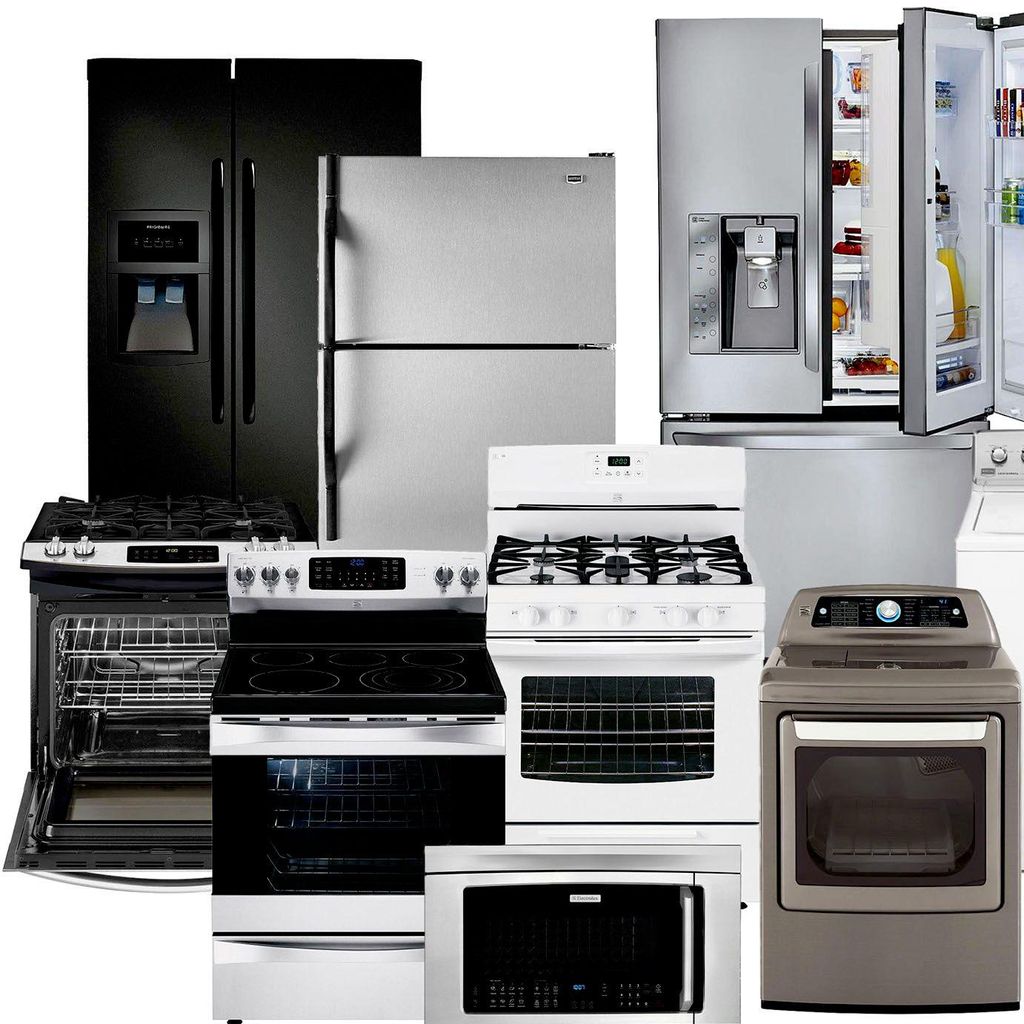
Read the customer reviews and view the photos carefully. You’ll want to make sure the pros you’re considering have experience repairing your appliances, so look for photos of refrigerators, dishwashers, ovens, vacuums, washing machines, dryers, microwaves and more.
Next, find out if the appliance repair technicians have any credentials. You can search for pros who have major appliance licenses through California’s Department of Consumer Affairs. Or, you can check contractor licenses via the Contractors State License Board.
After you’ve selected several pros, start requesting free estimates. Once you’ve received quotes from at least three to five pros, compare them. Choose an appliance repair technician who charges fair, competitive prices and has mostly positive reviews and ratings.