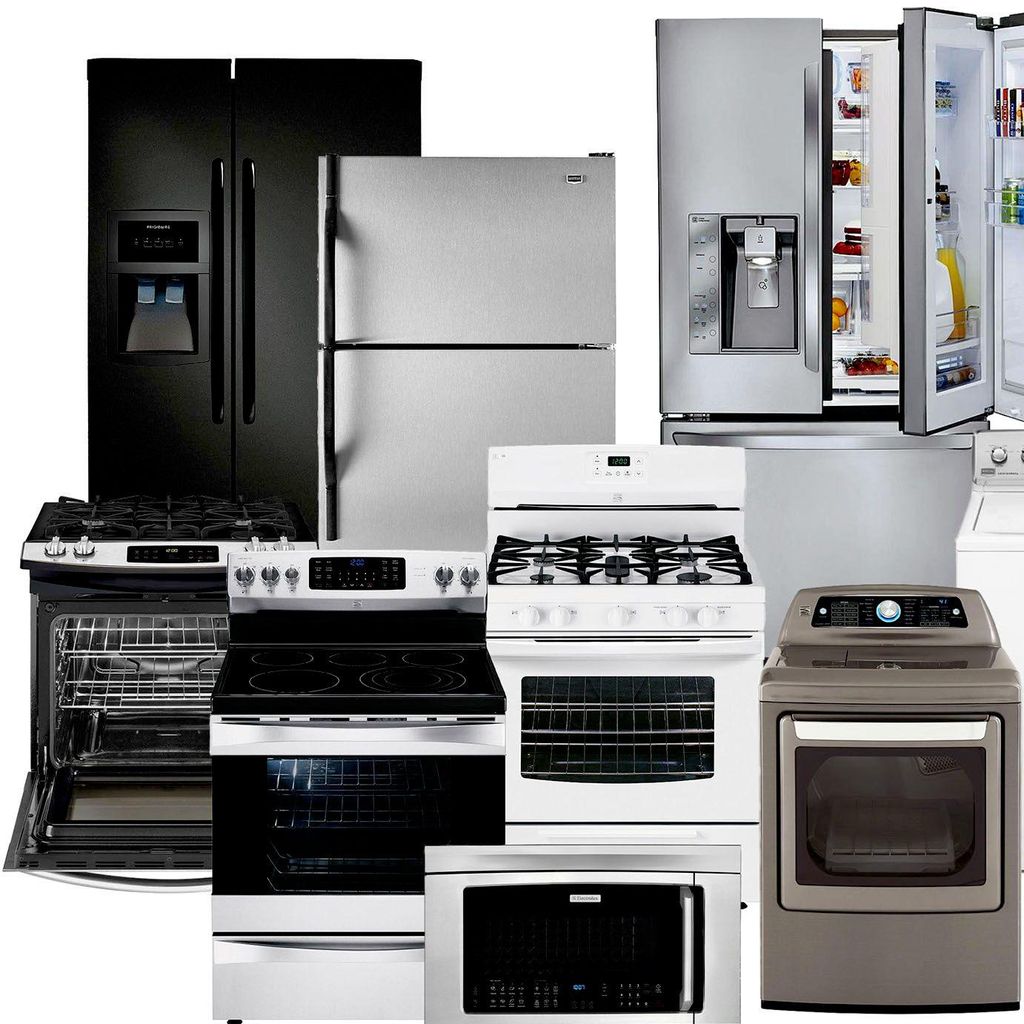


Do gas stove repair pros in San Francisco need a license or special credentials?
Yes, professionals who repair major home appliances like gas stoves in California are required to be licensed by the state's Bureau of Household Goods and Services (BHGS). You can look up a pro’s license on the Department of Consumer Affairs website. It’s always a good idea to verify a professional’s credentials before hiring them for a job.
Is it worth fixing a gas stove?
Yes, it’s often worth fixing a gas stove, especially for minor issues like a faulty igniter. Repairs are typically much cheaper than a full replacement. However, if the repair costs more than half the price of a new appliance, you may want to consider a new stove instead.
What's the best time of year to schedule gas stove repairs in San Francisco?
The best time to schedule gas stove repairs is generally in the late fall, around October or November. This timing helps you avoid the peak wildfire smoke season of late summer, ensuring better air quality for the work. It also gets your appliance ready for the holidays and the wetter winter months when you'll likely be cooking indoors more often. The damp, salty air can speed up corrosion on parts, so a pre-winter inspection is particularly wise for older homes near the coast.
How long does a gas stove last?
A gas stove's lifespan is typically around fifteen years, according to InterNACHI’s life expectancy chart. If yours is getting old and repairs are frequent, it’s often time to consider a replacement. Proper maintenance and regular cleaning can help your stove last even longer.
What local factors can affect gas stoves in San Francisco?
San Francisco's persistent coastal salt air can accelerate corrosion on metal components like gas burners, igniters, and supply lines. This issue is especially relevant in the city's many older homes, which may have aging gas systems that require specialized knowledge for safe repairs. A professional can usually diagnose rust-related problems and ensure everything is working safely, which is crucial when you're dealing with gas appliances.
What should I ask before hiring a pro to fix my gas stove?
Before hiring a stove technician, be sure to ask these questions:
Are you licensed, bonded, and insured to work on gas appliances in my area?
Can you provide a detailed estimate that breaks down the costs for labor and parts?
Is there a diagnostic fee for the initial service call, and does it apply toward the final repair cost?
How soon can you get the necessary parts, and what is the estimated timeline for the entire repair?
Do you offer a warranty or guarantee on your repair work and any parts you install?
If my stove is beyond repair, are you able to handle a new gas stove installation?
What safety checks do you perform after the repair to ensure there are no gas leaks?
What are the benefits of hiring a pro to repair your gas stove?
Some of the biggest benefits of hiring a gas stove repair pro include the following:
Safety first. Working with gas lines is risky. A pro knows how to prevent dangerous gas leaks, fires, and carbon monoxide exposure.
Accurate diagnosis. Professionals can quickly find the source of the problem, saving you time and the cost of incorrect fixes.
Proper tools and parts. They have the specialized equipment and access to the right parts to ensure the repair is done correctly.
Guaranteed work. Many pros offer a warranty on parts and labor, giving you peace of mind that the job is covered.
Long-term value. A professional repair can extend the life of your stove. If it’s beyond repair, they can help you understand if a replacement is a more cost-effective option.
Who do you call when your gas stove is not working?
You’ll want to call a qualified professional who specializes in gas appliance repair. Because they involve gas lines, stoves should only be serviced by technicians with proper training and tools. Some plumbers with gas certifications may also be able to address issues related to the gas supply line.
What are some signs I need a pro to fix my gas stove?
Common signs that indicate it’s time for gas stove repairs include:
Weak or uneven flames. If your burners produce yellow or orange flames instead of a steady blue, it can mean they’re clogged or the gas pressure is off.
The smell of gas. If you smell gas when the stove is off, it can be a sign of a serious safety hazard. Turn off the gas supply, open your windows, and call a professional right away.
Burners won’t light. When you turn the knob, you should hear a clicking sound followed by ignition. If the clicking is endless or there’s no flame, the igniter may be faulty.
Strange noises. Hissing or popping sounds coming from the burners or gas lines are not normal and should be inspected by a pro.
Oven temperature is off. If your oven won’t heat up, gets too hot, or cooks unevenly, the temperature sensor or igniter could be failing. A major repair might lead you to consider a new gas stove installation instead.
What factors can impact the cost of fixing a gas stove?
There are several factors that might impact the cost of this project, including:
The type and extent of the damage. A simple fix, like replacing a faulty igniter, will cost less than a more complex issue, such as a gas leak. If the repair is extensive, you may want to compare the cost against a new stove.
Your stove’s brand, model, and age. Parts for high-end, luxury, or older models can be more expensive and harder to source, increasing the overall repair cost.
The cost of replacement parts. The price of components can vary significantly, from an inexpensive knob to a sophisticated electronic control panel or a new burner assembly.
Labor and repair complexity. A straightforward repair that takes less than an hour will be more affordable than a job that requires extensive troubleshooting and disassembly of the appliance.
Warranty coverage. If your gas stove or the specific broken part is still under a manufacturer's or home warranty, it may cover some or all of the repair expenses.