

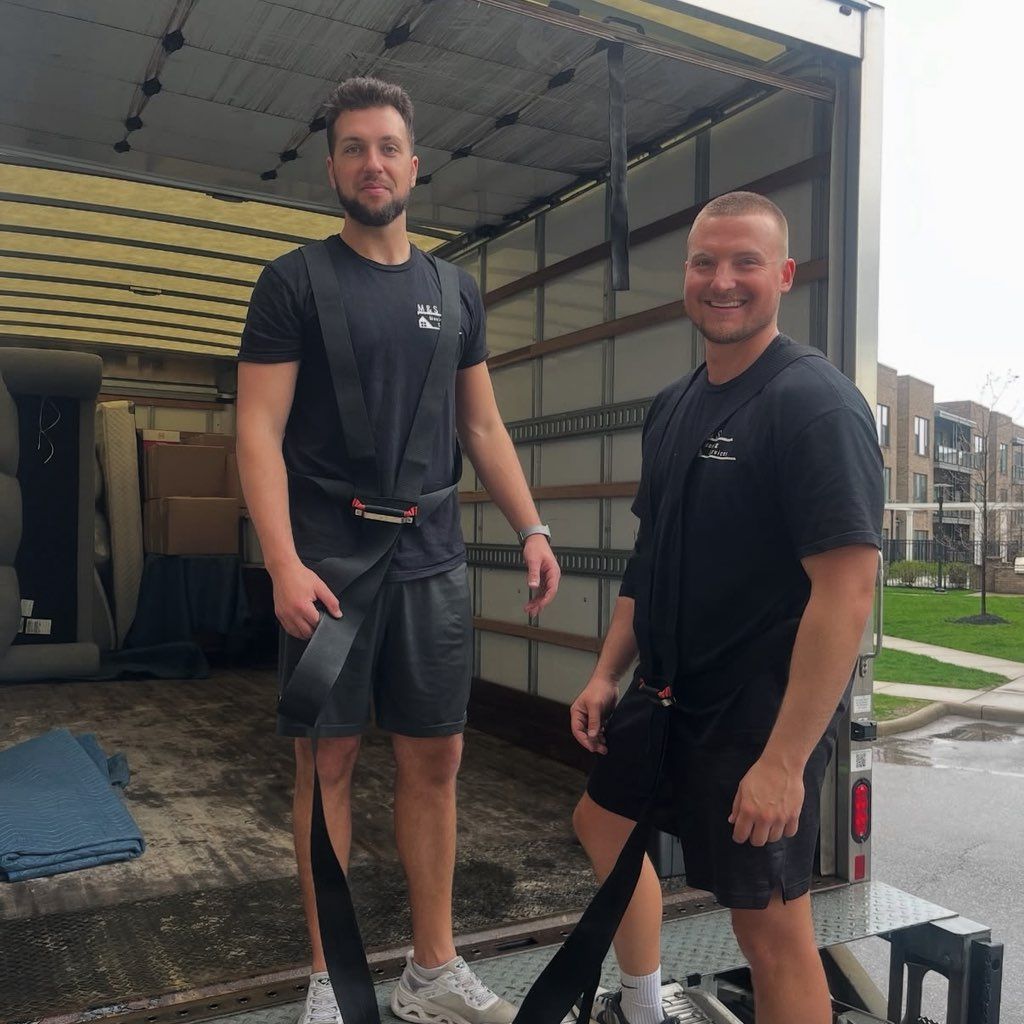


What does commercial moving mean?
Commercial moving is the process of relocating a business or office from one location to another. Unlike a residential move, it involves transporting office furniture, equipment, technology, and important documents. This type of move requires specialized planning to minimize downtime and help ensure a smooth transition for the business.
How do I hire a pro that specializes in commercial moving?
When looking for a professional for commercial moving, take the following steps:
Verify their license and insurance: Commercial movers should have a U.S. Department of Transportation (USDOT) number for moves between states, and they may need local licenses, as requirements vary by region. Ensure they have general liability, cargo, and workers' compensation insurance.
Get several estimates: A proper estimate should be based on a detailed inventory of your office furniture, equipment, and files. It should clearly break down costs for labor, packing materials, transportation, and any potential extra fees.
Read their reviews: Look for reviews that mention professionalism, punctuality, and careful handling of office equipment. Red flags include complaints about hidden fees, damaged property, or poor communication from the moving crew.
Look at their portfolios: Check for experience with businesses of a similar size and industry to yours. Their portfolio should show they can handle office furniture, electronics, and sensitive documents securely and efficiently.
Find out if they have warranties: Ask about their valuation coverage options. This determines their liability if your items are lost or damaged. They may offer different levels of protection, so understand what each one covers before signing a contract.
Ask important questions: Before hiring, ask: What’s your process for moving sensitive electronics? How do you protect the building during the move? Will we have a dedicated project manager?
How far in advance should I hire movers?
Book movers at least two months in advance for a local move and at least four months in advance for a cross-country move. If you’re moving during the off-season, it’s best to book movers about four to eight weeks in advance. Factor in an extra two to three weeks if you have antiques or valuables that are difficult to transport.
May through September is considered peak moving season, according to the American Moving & Storage Association. If you’re moving during this time, hire movers as far in advance as possible.
What steps should I take before my commercial mover arrives?
Follow these steps before your commercial moving project starts for best results:
Clear all pathways. Make sure hallways, doorways, and common areas are free of clutter so your movers have a clear and safe route to carry large items.
Label everything clearly. Use a consistent labeling system on all boxes and furniture to indicate which room or area they belong to in the new space.
Pack personal and sensitive items separately. Have employees pack their own personal belongings, and arrange for the secure transport of any confidential documents or valuable equipment.
Disconnect all electronics. Unplug computers, servers, and other devices, then bundle and label their cords to make reassembly quick and painless.
Coordinate with building management. Confirm the moving day plan with property managers at both your old and new locations, including rules for using elevators and loading docks.