


How do I choose the best carpet installer?
Taking these steps can help you find the right professional to install your carpets:
Get several estimates: A proper estimate is a detailed, written document. It should break down the costs for materials like the carpet and padding, labor, furniture moving, and old carpet disposal.
Read their reviews: Look for mentions of professionalism, punctuality, and a clean finish. Good reviews often praise invisible seams and careful work around baseboards. Be wary of complaints about hidden costs, sloppy installation, or carpets that start to ripple.
Look at their portfolios: When you look at photos of their past projects, check for clean edges along walls, tight seams, and smooth installations on stairs. This gives you a real sense of their quality of work.
Find out if they have warranties: You’ll typically see two warranties: one for the carpet itself from the manufacturer and one from the installer for their labor. Ask what the installation warranty covers, as this protects you from issues like buckling or separating seams.
Ask important questions: Before making a final decision, ask things like, “Who will be doing the actual installation?” and “What does your workmanship guarantee cover?”
How much does carpet installation cost?
The cost of installing carpets usually depends on the following factors:
Carpet material: The type of carpet you choose plays a big role. Materials like wool or high-end nylon typically cost more per square foot than standard polyester or olefin options.
Project size: The total square footage of the rooms you’re carpeting is a primary cost driver. Larger areas require more materials and more time to install.
Floor preparation: If your old carpet or flooring needs to be removed and hauled away, this will likely add to the labor costs. The condition of your subfloor matters, too — any necessary repairs can also increase the price.
Room complexity: Installing carpet in a simple, square room is more straightforward than working with stairs, closets, or rooms with irregular shapes. These complex areas require extra cutting and fitting, which takes more time.
Furniture moving: Some installers include moving a few pieces of furniture in their base price, while others may charge an extra fee, especially for large or heavy items. It’s a good idea to clarify this beforehand.
What carpet type is most affordable?
The most affordable carpet types are typically made from synthetic fibers like nylon or polyester. These options provide a good balance of cost, durability, and comfort for everyday use.
Polyester is often one of the least expensive choices and offers stain resistance, while nylon is slightly more durable but still budget-friendly. Berber-style loops made from these fibers can also be cost-effective and practical for high-traffic areas.
A flooring pro can help you compare options and pick an affordable carpet that fits your needs and home, so you can move forward with confidence.
How long does it take to install carpets?
It usually takes a day or two for a professional to install carpet. The exact timeline will depend on things like:
The size and number of rooms you’re carpeting.
Having to remove and dispose of any old flooring.
If you need subfloor treatment like cleaning, repairs, or leveling, before the new carpet can be installed.
If any furniture will need to be moved out of the space before work can begin.
Stairs or rooms with complex angles that require more precise cutting and fitting, which can extend the timeline.
Remember: The timeline for your project will vary depending on many factors. Always ask your pro to provide an estimate.
What happens during a carpet installation?
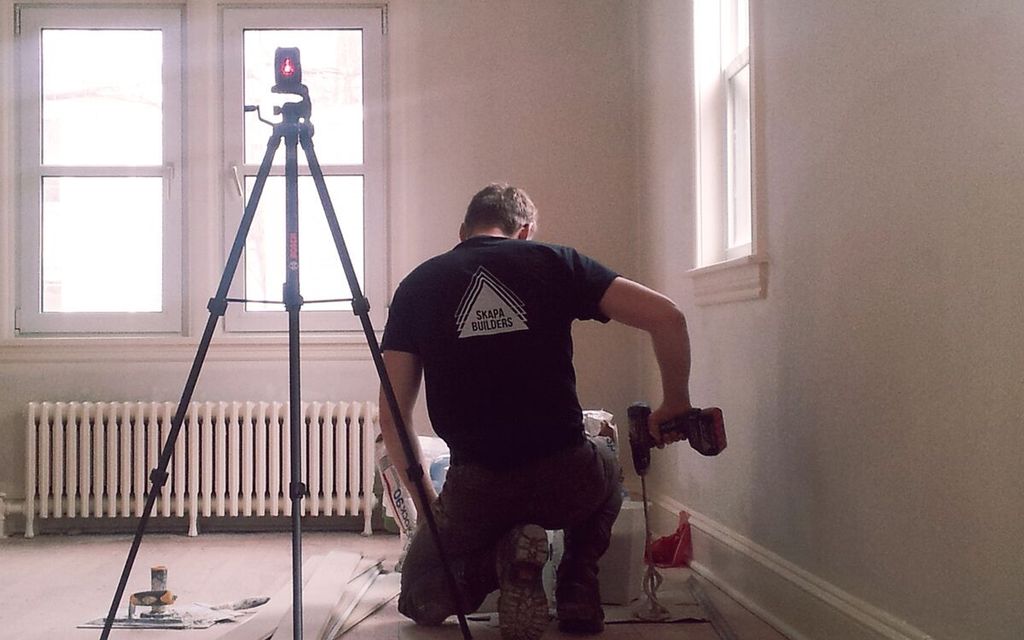
During your pro’s visit, you may expect them to start by preparing the room, which often includes removing any old flooring and making sure the subfloor is clean and level. Next, they’ll usually install the carpet padding and tack strips that hold the new carpet in place. After laying down the carpet, your pro will stretch it tightly to prevent wrinkles and trim it for a perfect fit along the walls. Typically, they'll finish by securing the edges and cleaning up any debris from the installation.
How do you maintain carpets?
Your carpet typically needs regular vacuuming, at least once a week, to remove surface dirt and debris. You should also clean spills as soon as they happen to prevent stains from setting in. For long-term care, having your carpets professionally deep cleaned every twelve to eighteen months can help maintain their appearance and longevity.
What's the best time of year to replace carpet?
The best time to replace carpet is typically during mild, dry seasons like spring or fall. During these times, humidity levels are usually lower, which helps carpet adhesive set properly and allows new carpet to air out faster. Scheduling can also be easier since installers may have more availability outside of peak summer and holiday seasons.
That said, carpet can be replaced any time of year. A professional installer can help you plan around your schedule and home conditions to help ensure a smooth installation.