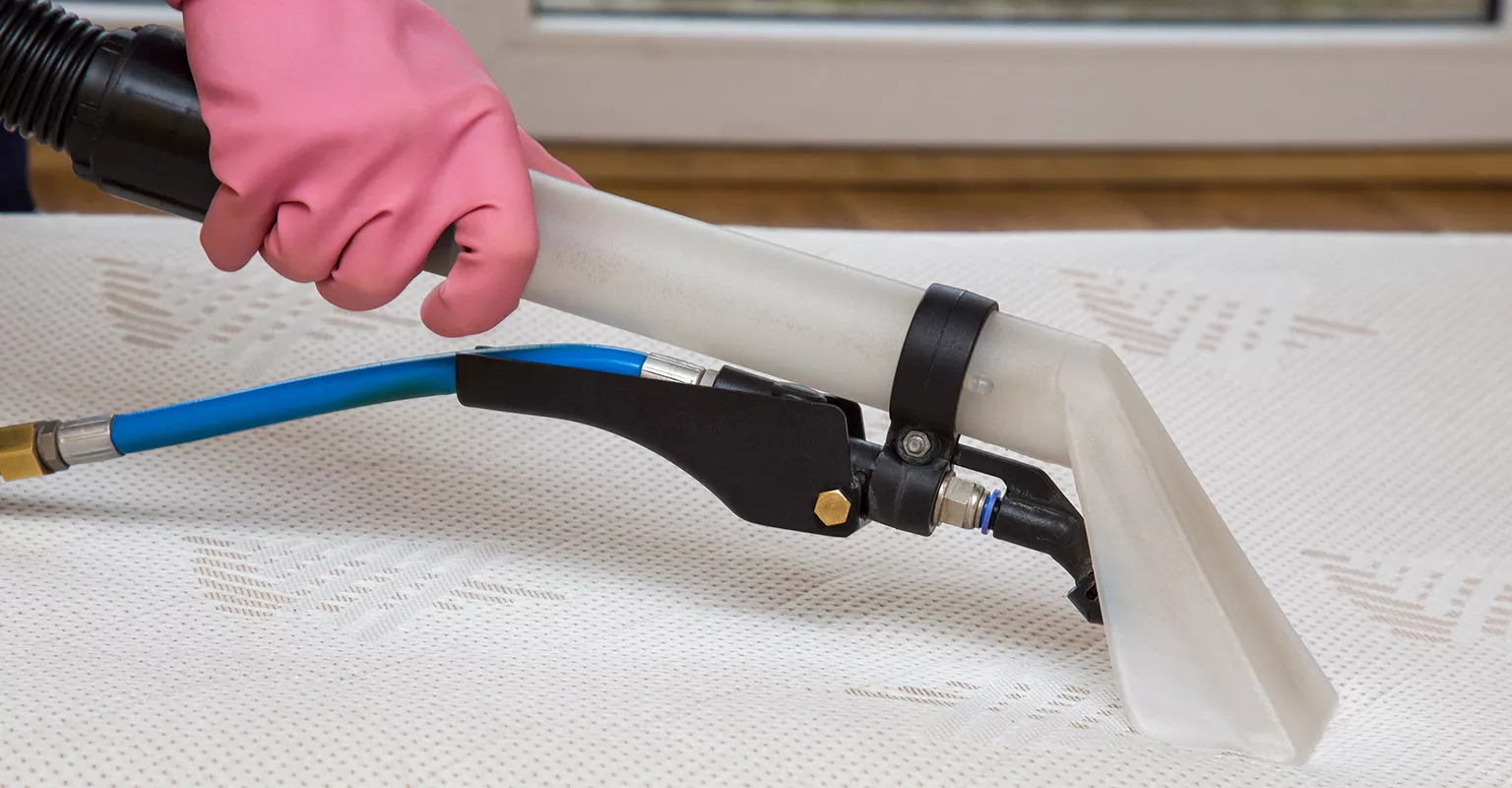

What is the best pet odor eliminator?
The best pet odor eliminators are typically enzymatic cleaners because they use enzymes to break down the organic compounds causing the smell, rather than just masking it. For stubborn or widespread odors in carpets and furniture, professional house cleaning services often have specialized equipment and stronger solutions that can help.
How do you prevent a house from smelling like pets?
Preventing a house from smelling like pets requires regular cleaning and odor control at the source:
Clean pet bedding and toys regularly: Wash items weekly to remove hair, oils, and odors.
Vacuum and mop often: Use a vacuum designed for pet hair and clean floors to reduce dander and smells.
Groom pets consistently: Regular brushing and bathing help minimize shedding and odor buildup.
Address accidents immediately: Use enzyme-based cleaners to fully eliminate urine and organic odors.
Improve airflow: Open windows, use air purifiers, and replace HVAC filters frequently.
Maintain litter boxes and pet areas: Scoop daily and clean surrounding areas to prevent lingering smells.
Staying consistent with cleaning and grooming is the most effective way to keep your home smelling fresh, even with pets.
What are the signs that I need professional pet odor removal services?
Common signs that indicate it’s time to use pet odor removers include:
A lingering, unpleasant smell that doesn’t go away, even after you’ve aired out the room. You may have gotten used to it, but it’s often noticeable to guests.
Visible stains on carpets, rugs, or furniture that have an associated odor. Even old, faded stains can hold onto smells.
Your pet repeatedly marking or soiling the same area. They may be drawn to the scent left behind, which signals that a simple cleanup wasn’t enough.
Comments from visitors about a “pet smell” in your home. It’s easy to become nose-blind to familiar scents, so an outside perspective is a reliable indicator.
Allergy or asthma flare-ups. An increase in sneezing or respiratory irritation can be caused by dander and urine particles. If spot-treating doesn’t help, a professional house cleaning may be needed to remove deep-set allergens.
What questions should I ask before hiring an odor removal service?
Before hiring a pet odor removal service, be sure to ask your pro these questions:
What is your process for locating the source of the odor and treating it?
Are the cleaning solutions and equipment you use safe for children and pets?
Do you offer a guarantee if the odor comes back after the treatment?
What factors can affect the total cost of the removal service?
How much experience do you have with my specific type of surface, like carpet, upholstery, or hardwood?
How long does the treatment process usually take, and how long should we wait before using the area again?
Does your service also include cleaning any visible stains, or is that a separate service?
What factors can impact the cost of professional pet odor removers?
There are several factors that might impact the cost of this project, including:
The size of the area. Treating a small spot will naturally cost less than addressing odors across an entire room or home.
The type of surface. It’s often easier to remove odors from hard surfaces like tile than from porous materials like carpet, upholstery, or unsealed wood.
The severity of the odor. A recent, one-time accident is simpler to handle than odors that have had time to set in and penetrate deep into subflooring or furniture.
The treatment method needed. Some issues can be solved with a simple enzyme spray, while deep-set odors in carpets may require professional services like commercial carpet cleaning or ozone treatments.
Labor and accessibility. The cost can also depend on the amount of work required, such as moving heavy furniture or removing and replacing carpet padding to fully eliminate the source of the smell.
How long does it take to remove pet odors from a home?
Typically, it will take a few hours to a full day for a professional to complete pet odor removal. There are a few factors that may impact how long it takes. For example:
The size of the affected area plays a big role; treating an entire home will naturally take longer than a single spot.
The severity of the odor can extend the timeline, as older or more saturated stains often require more intensive treatment.
Different surfaces absorb odors differently, and deep-pile carpets may need specialized methods similar to those used in commercial carpet cleaning.
The source of the odor matters, since pet urine requires specific enzymatic cleaners to fully break down the problem-causing crystals.
The total project time must also include how long it takes for the treated surfaces to dry completely, which can be several hours.
Remember: The timeline for your project will vary depending on many factors. Always ask your pro to provide an estimate.