
What can make flooring installation more expensive?
A few factors can impact the cost of your flooring project, including:
Flooring material: The material you choose, whether it's hardwood, tile, laminate, or vinyl, is one of the biggest factors in how expensive the project will be.
Project size: The total square footage of the flooring area can directly influence material and labor costs.
Subfloor condition: If your existing subfloor is uneven, damaged, or needs to be replaced, it may require extra prep work, which can add to the final price.
Removal of old flooring: The cost to tear out and dispose of your current flooring is usually a separate line item.
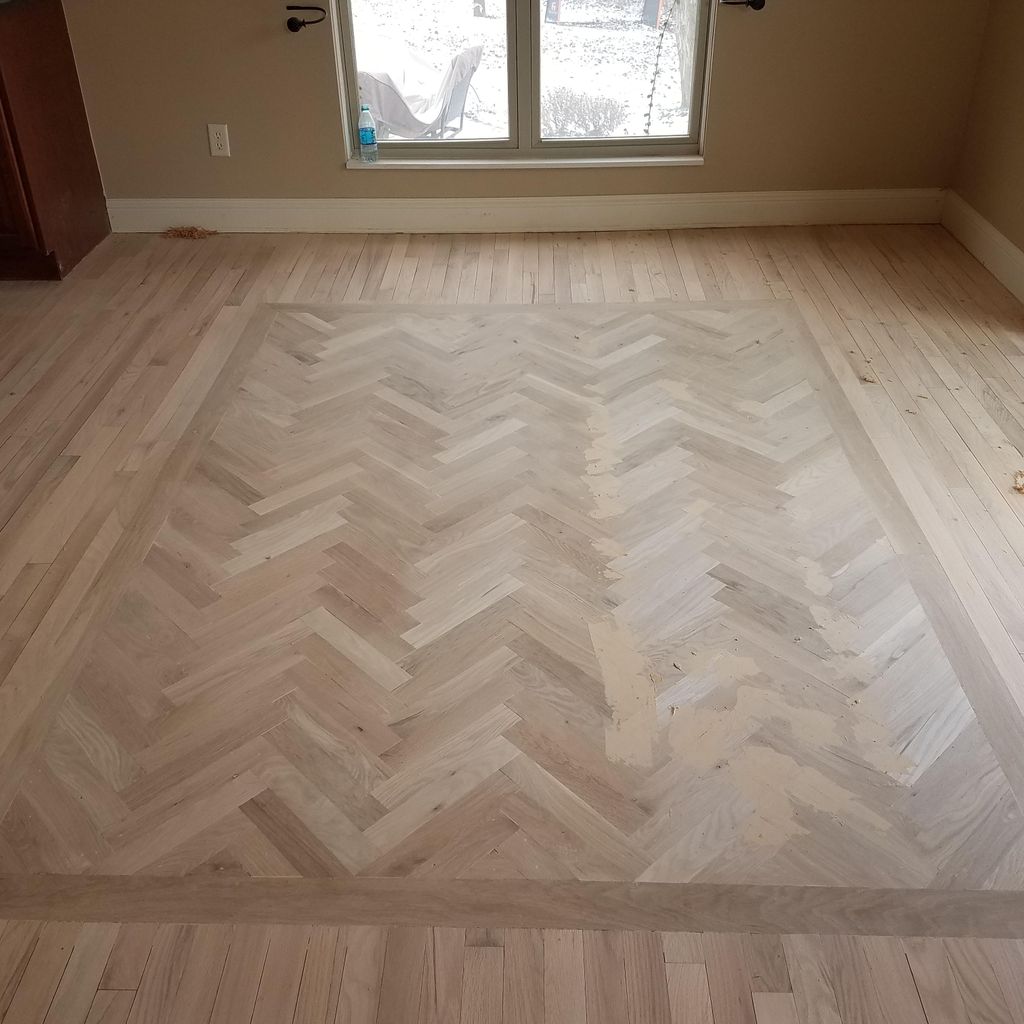
Layout complexity: A simple, square room will typically cost less to floor than a space with multiple angles, stairs, or custom patterns that require more precise cuts.
How can I save money on flooring installation?
Here are some cost-saving tips for your flooring installation:
Do prep work yourself. If you’re able, moving furniture and removing the old flooring on your own can reduce the labor hours you’ll need to pay for.
Choose budget-friendly materials. Materials like luxury vinyl and laminate can offer a high-end look for a fraction of the cost of hardwood or natural stone.
Buy your own materials. You can often save by buying your flooring directly from a retailer, especially if you catch a sale. Just confirm the quantity you'll need with your installer before you buy.
Schedule during the off-season. Installers may have more time during certain periods, like after the holidays, and their rates might be more competitive.
Get multiple quotes. Comparing detailed bids from several different installers can help you find a rate more aligned with your budget.
Do flooring installers also remove old floors?
Yes, many flooring installers can also remove old flooring as part of the job. Removal may include tearing out carpet, tile, hardwood, or vinyl, plus taking out padding, adhesives, or tack strips. Some pros include removal in their installation services, while others offer it as an add-on.
It's a good idea to confirm what’s included up front. Hiring a pro who handles both removal and installation can save time, reduce mess, and help ensure your subfloor is properly prepared for new flooring.
How long does it take to install new flooring?
It usually takes one to three days for a professional to install flooring. A few things can affect this timeline, like:
Project area: Installing flooring across a large area or multiple rooms will probably take longer than a single, small room.
Flooring material: Some materials, like click-lock vinyl, can generally be installed more quickly than materials that require adhesive or custom cutting, like ceramic tile.
Subfloor condition: If your subfloor needs to be repaired, leveled, or cleaned, this can add extra time to the process before the new flooring can go down.
Old flooring removal: Having to tear out and dispose of existing carpet, tile, or hardwood can extend the project timeline.
Room layout: A simple, square room is typically faster to complete than one with many angles, closets, or other complex features that require precise cuts.
Remember: The timeline for your project may vary, so ask your pro to provide an estimate.
How do I choose the right flooring for my home?
Choosing the right flooring starts with understanding how each space will be used. Consider factors like foot traffic, moisture levels, pets, and maintenance preferences. For example, hardy tile or vinyl can work well in bathrooms and kitchens, while elegant hardwood or cozy carpet may be better for living areas and bedrooms.
Your budget, style, and long-term plans also matter. A flooring pro can help you compare materials, explain their durability and upkeep, and recommend options to fit your home and lifestyle.
What should I expect when getting flooring installed?
A flooring installer generally starts by preparing the area, which may involve removing old flooring and making sure the subfloor is clean and level. The actual installation typically involves cutting and placing the new flooring material to your specifications. Once the floor is laid, they may install baseboards or trim for a finished look and clean up any dust and debris from the job.
How should I prepare for flooring installation?
Before a pro arrives to install your new flooring, take these steps:
Step 1: Clear the room. While some flooring installers can add this on as a service, you may need to remove all furniture, rugs, decorations, and other items from the area yourself first.
Step 2: Discuss old flooring removal. Confirm with the pro beforehand whether you will need to make sure any existing carpet, tile, or other flooring is already removed.
Step 3: Clean the subfloor. After the old flooring is gone, it can help to sweep and vacuum the subfloor to make sure it’s free of dust, staples, and other debris.
Step 4: Acclimate the new material. Most flooring needs to sit in the room for one to three days to adjust to the temperature and humidity. This helps prevent gapping or buckling later on.
Step 5: Plan for pets and children. For everyone's safety, make a plan to keep kids and pets away from the work area until the job is done.
What questions should I ask before hiring a flooring installer?
Before hiring a pro to install new flooring, it's a good idea to ask these questions:
Are you licensed, bonded, and insured?
How long do you estimate the whole project will take?
Can you provide a quote that breaks down all costs, including materials, labor, and any extra charges?
Who will be responsible for moving furniture and preparing the space before installation?
What's your process for handling unexpected obstacles, like subfloor damage?
Does your service include removing and disposing of old flooring and cleaning up the site?
Do you offer a warranty or guarantee on your installation work?