
What is the process for installing a gate?
During your pro’s visit, they'll typically start by confirming the placement and taking final measurements. Next, they’ll prepare the site, which usually involves digging holes and setting the support posts in concrete. Once the posts are secure, they will hang the gate, making sure it’s level and swings smoothly. The final step is installing the latch, lock, and any other hardware before cleaning up the area.
How do I hire a gate installer?
When looking for a professional to install a gate, make sure you complete the following steps:
Verify their license and insurance: A gate installer may need a contractor's or specialty license, and they should carry general liability insurance. Requirements vary by region, so it's always a good idea to check your local regulations.
Get several estimates: A detailed, written estimate is key. It should break down the costs for the gate itself, materials like posts and hardware, labor, and any additional services like removing an old gate or installing an automatic opener.
Read their reviews: Look for reviews that mention the pro’s communication, timeliness, and the quality of the final installation. Positive comments often highlight a sturdy, well-aligned gate. Red flags include mentions of sagging gates, misaligned latches, or issues with automatic openers shortly after the job is done.
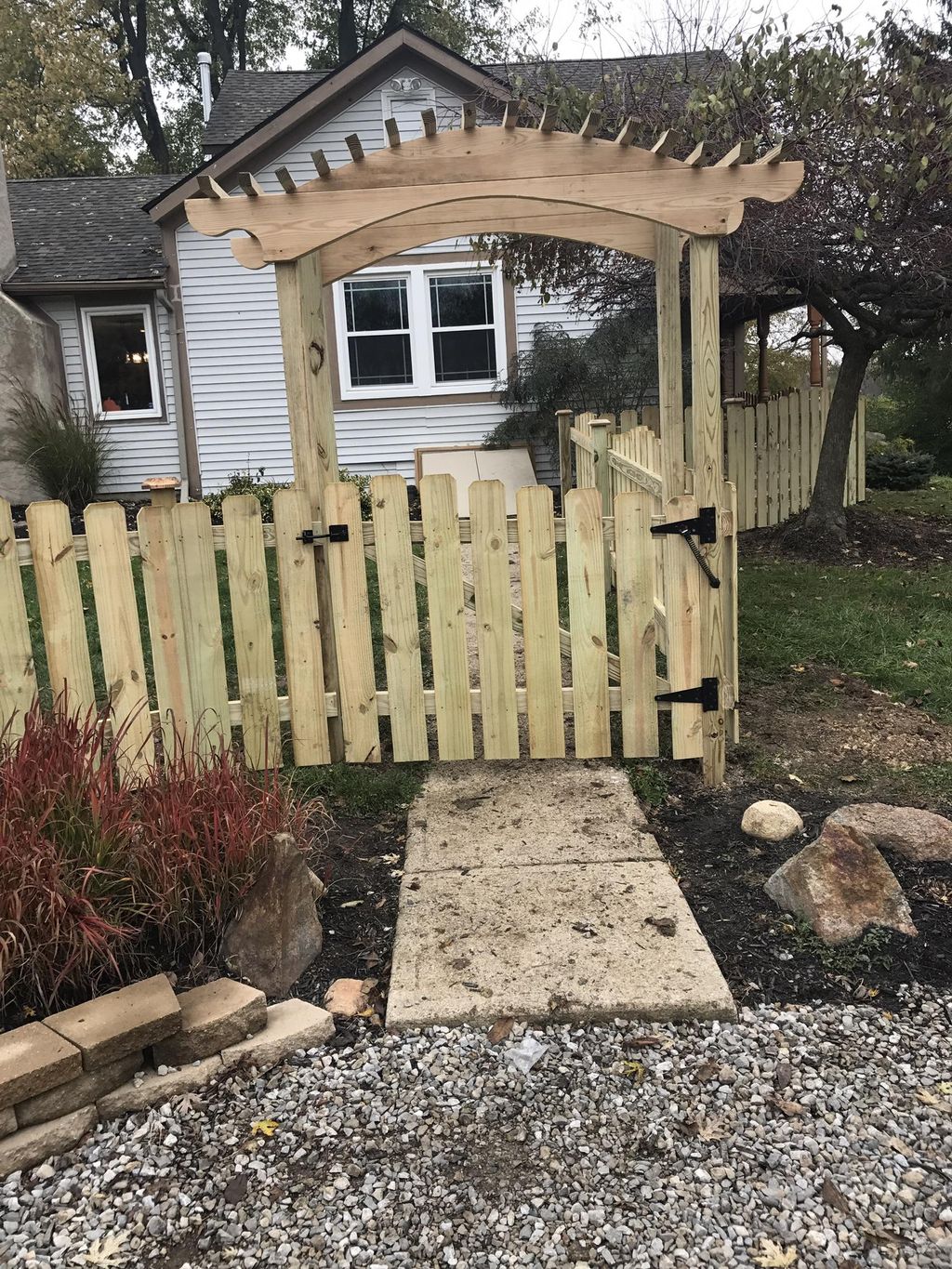
Look at their portfolios: Check their past projects for examples of gates similar to what you want, whether it's a wooden garden gate or an automatic driveway gate. Pay attention to the overall quality, how the gate aligns with the fencing, and if the style fits the property.
Find out if they have warranties: There may be a manufacturer's warranty on the gate and any automatic components, and the installer should offer a workmanship warranty that covers their installation work for a specific period.
Ask important questions: Before you hire, ask questions like: "How do you set the posts to prevent sagging over time?," "What’s the estimated timeline for the entire project?," and "Will you handle any required permits?"
How long does it take to install a gate?
Typically, it will take a professional a few hours to a couple of days to install a gate. The total time depends on a few factors. For example:
The type and size of the gate: A simple pedestrian gate is much quicker to install than a large, heavy-duty driveway gate.
Site preparation: The project may take longer if the ground needs to be cleared or graded, or if old posts and fencing need to be removed.
Post installation: If new posts are required, they often need to be set in concrete, which must cure for at least a day before the gate can be hung.
Automation features: Installing an automatic opener, sensors, or a keypad system involves electrical work and adds significant time to the project.
Custom fabrication: A standard, pre-made gate can be installed quickly, while a custom-built gate requires additional time for design and construction.
Remember: The timeline for your project will vary depending on many factors. Always ask your pro to provide an estimate.
What factors can impact the cost of installing a gate?
There are several factors that might impact the cost of this project, including:
Gate material: For example, a simple wood or vinyl gate will generally cost less than a custom wrought iron or heavy-duty steel one.
Size and weight: The gate’s dimensions matter. A wider, taller, or heavier gate requires more materials and can be more complex to install, which may increase the price.
Style and mechanism: A basic single-swing gate is usually the most affordable option. Costs can go up for double-swing gates, sliding gates, or custom designs with intricate details.
Automation features: If you want an automatic gate, you’ll need to factor in the cost of the motor, sensors, remote controls, and any necessary electrical work.
Site preparation: The condition of the installation site can affect labor costs. If the ground isn't level, old posts need to be removed, or significant digging is required, the total project time and cost may increase.
What maintenance does a gate require?
A gate typically needs regular cleaning to remove dirt and debris, lubrication of hinges and locks to help ensure smooth operation, and periodic checks for rust or damage. It's also a good idea to tighten any loose bolts or screws you find. For automatic gates, you may need to test the sensors and inspect the electrical components to keep everything working correctly.
How do I prepare for having a gate installed?
Before your pro arrives to install your gate, take these steps to ensure a safe and efficient appointment:
Step 1: Clear the work area. Remove any obstacles like vehicles, furniture, toys, or yard debris from the installation site and the path leading to it. This gives your pro a safe, clear space to work.
Step 2: Secure pets and children. For their safety and to avoid interruptions, keep pets and small children away from the work area throughout the appointment.
Step 3: Discuss utility lines. Before any digging begins, confirm with your pro that underground utility lines have been located and marked. This is a critical safety step to prevent damage to gas, water, or electrical lines.
Step 4: Confirm the gate placement. Walk through the exact location and swing direction of the new gate with your pro one last time. This helps ensure the final installation matches your expectations.
Step 5: Provide access to power. Your pro may need access to an electrical outlet for their tools, so make sure one is available and accessible near the work area.