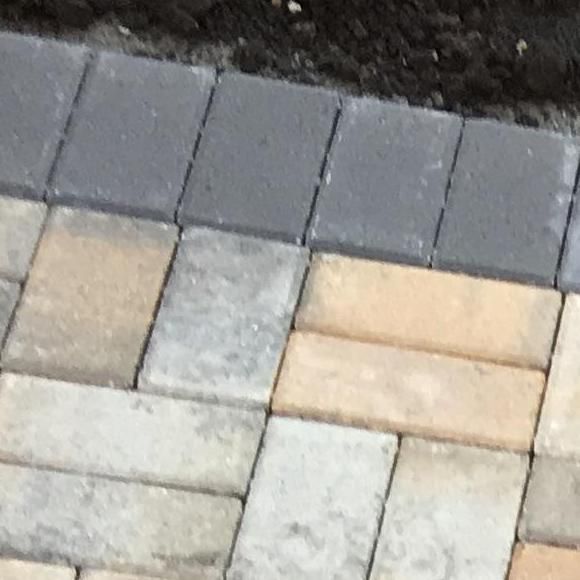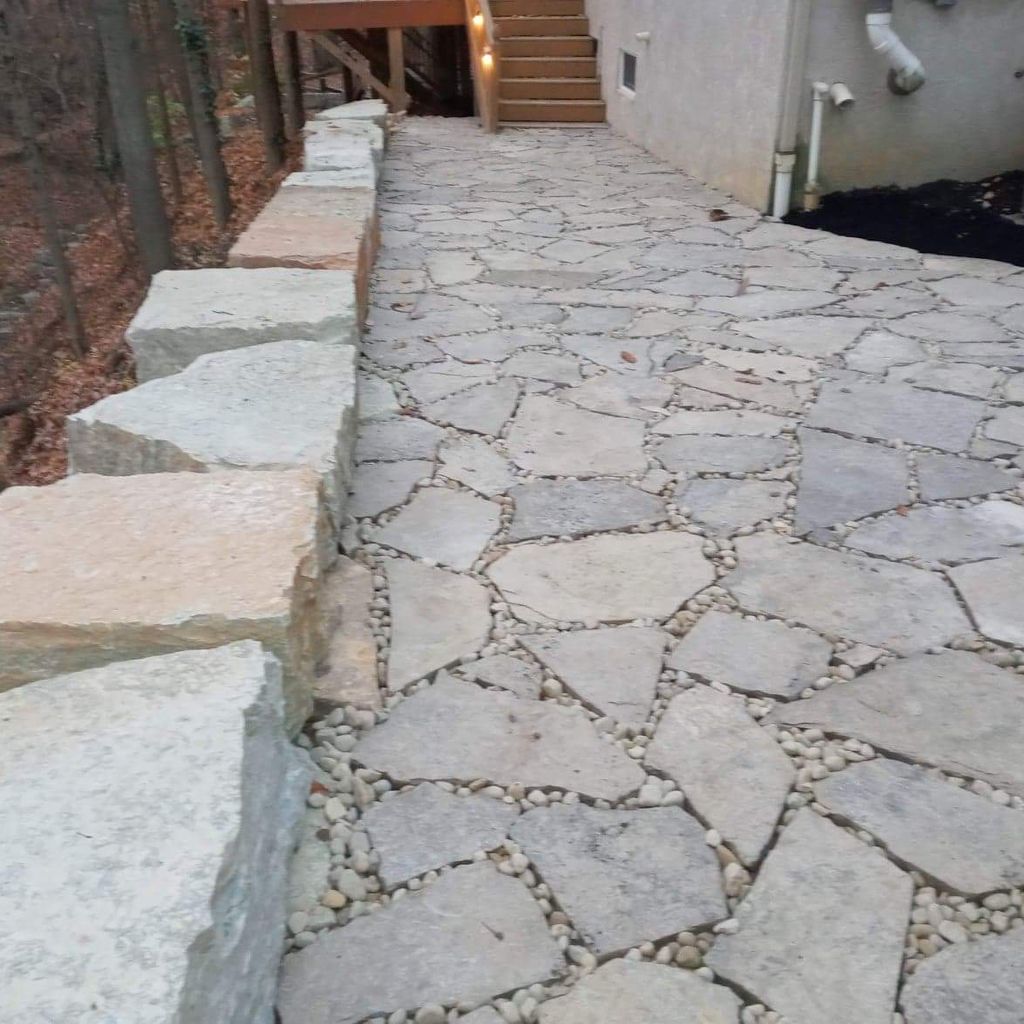
Can you lay pavers directly on dirt?
No, you shouldn’t lay pavers directly on dirt. The ground will shift over time, causing them to become uneven and unstable. A proper installation requires a stable base of compacted gravel and sand, a detail professional landscape designers always include in their plans for a long-lasting surface.
What do you put down before laying pavers?
Before laying pavers, you’ll need to put down a paver base and a layer of sand. The base, typically made of compacted gravel, provides drainage and a stable foundation, while the sand creates a level surface to set the pavers on. Professional landscapers can ensure this crucial preparation is done correctly for a long-lasting patio or walkway.
What are the benefits of using landscape pavers?
Some of the biggest benefits of landscape pavers include the following:
Durability. Pavers are incredibly strong and can last for decades, handling everything from heavy foot traffic to changing weather without cracking like a solid slab of concrete might.
Low maintenance. If a single paver gets stained or damaged, you can just lift that one out and replace it. It’s a much simpler and more affordable fix than redoing an entire section of asphalt or concrete.
Design flexibility. They come in a huge variety of colors, shapes, and materials, so you can work with landscape designers to create a look that’s completely unique to your home.
Safety. Many pavers have a naturally textured, non-slip surface, making them a safer choice for pool decks, walkways, and patios.
Better drainage. The joints between pavers allow rainwater to seep into the ground below. This can reduce puddles and runoff, which is great for your lawn and the local environment.
What factors can impact the cost of landscape pavers?
There are several factors that might impact the cost of this project, including:
Material choice: The type of paver you choose—like concrete, brick, or natural stone—can significantly change the price.
Project size and design: A larger patio or a more intricate pattern will require more materials and time, which can increase the cost.
Site preparation: Your yard’s current condition matters. If the area needs a lot of grading, excavation, or a new base layer, it’ll add to the labor involved.
Labor and design: Costs can vary based on your location and the crew’s experience. Some projects also benefit from hiring professional landscape designers to create the plan.
Extra features: Adding elements like built-in lighting, retaining walls, steps, or a protective sealant will also affect the final price.
How do I hire a professional to install landscape pavers?
When looking for a professional to install landscape pavers, make sure you complete the following steps:
Verify their license and insurance: Many professional landscapers hold a contractor's license and may have certifications from organizations like the Interlocking Concrete Pavement Institute (ICPI). They should also have general liability and workers' compensation insurance. Keep in mind that requirements vary by region.
Get several estimates: A proper estimate should be a written, itemized document. It ought to detail the costs for materials like the pavers, base gravel, and sand, as well as labor, site preparation, and debris removal.
Read their reviews: Look for reviews that mention clear communication, timeliness, and a high-quality finished patio or walkway. Red flags for paver projects include comments about uneven surfaces, drainage issues, or unexpected costs.
Look at their portfolios: Pay attention to projects that are similar to what you want. Check for straight lines, consistent spacing between pavers, and level surfaces. If you want a complex pattern, look for examples in their portfolio to see if they have the right experience.
Find out if they have warranties: Many installers offer a workmanship warranty, which can cover issues like pavers shifting or settling for a certain period. The pavers themselves usually have a separate manufacturer's warranty.
Ask important questions: How deep will you excavate and what materials will you use for the base? What is your plan for ensuring proper drainage? Who will be my main point of contact during the installation?
What type of maintenance do landscape pavers need?
Your landscape pavers typically need regular sweeping and occasional rinsing to stay clean. You’ll also want to pull weeds from the joints and refill them with sand every few years. Many professional landscaping companies offer paver maintenance services, including sealing, to protect against stains and weather damage.
What are the signs that my pavers need to be replaced?
Common signs that indicate it’s time to replace your landscape pavers include:
Widespread cracking: While a few small cracks can be normal, extensive or deep cracks across many pavers often mean they’ve reached the end of their life.
Uneven or sinking surfaces: If your patio or walkway has become a tripping hazard due to significant sinking or heaving, the base layer has likely failed. A professional paver installation can fix the foundation and lay new stones correctly.
Constant weed growth: When weeds, grass, or moss keep returning no matter what you do, it’s usually a sign that the joint sand is gone and the base is compromised.
Severe staining or fading: Some discoloration is expected, but if your pavers are permanently stained or have faded so much that they look worn out, replacement is the best way to restore their appearance.
Loose or wobbly pavers: If many pavers are shifting or rocking underfoot, it often points to failing edge restraints or a deteriorating base that can no longer hold them securely in place.