What are the benefits of using fans in your home?
Some of the biggest benefits of using fans in your home include the following:
Improved energy efficiency. Fans use significantly less electricity than air conditioners. They create a wind-chill effect that can make you feel cooler, allowing you to raise your thermostat and save on energy bills.
Better air circulation. A fan keeps air moving, which prevents rooms from feeling stagnant and stuffy. It also helps distribute heated or cooled air more evenly throughout your space.
Year-round comfort. Many ceiling fans have a reversible motor. In the summer, the blades push cool air down, and in the winter, you can switch the direction to help circulate warm air that has risen to the ceiling.
Enhanced sleep quality. The consistent, gentle breeze and white noise from a fan can help you sleep more comfortably by keeping you cool and masking disruptive background sounds.
Moisture and odor control. Using fans in areas like kitchens and bathrooms helps vent out moisture and cooking smells, which can prevent the growth of mold and mildew and keep your home feeling fresh.
What are the signs that I need to replace my ceiling fan?
Common signs it’s time to replace your ceiling fan include:
Loud or unusual noises. If you hear constant humming, grinding, or clicking sounds that don’t go away after cleaning, the motor may be failing.
Excessive wobbling. A fan that still wobbles badly after you’ve tightened all the screws and tried to balance the blades could have a bent bracket or a worn-out motor.
Blades move slowly or not at all. When the blades struggle to spin even on the highest setting, it likely indicates the motor is near the end of its life.
Lights don't work properly. For fans with light fixtures, if the lights flicker or won't turn on after you've replaced the bulbs, there might be a problem with the fan's internal wiring.
The fan is visibly damaged or outdated. Cracked or warped blades, a discolored housing, or an old, inefficient model are all good reasons to consider a replacement.
What fan issues can pro help with?
Some of the most common fan problems that many pros can help fix include:
Wobbly blades. If your fan is shaking or wobbling, the blades are likely unbalanced due to dust buildup, warped blades, or loose screws.
Strange noises. Clicking, grinding, or humming sounds can point to issues like loose parts, a failing motor, or internal components that need lubrication.
Fan won’t turn on. This could be something as simple as a tripped circuit breaker or a dead remote battery, but it can also indicate a faulty wall switch or a burned-out motor.
Slow or non-spinning blades. When the fan is on but the blades aren’t moving or are very slow, it often suggests a problem with the motor’s capacitor or worn-out bearings.
Broken pull chain or remote. The internal switch for a pull chain can wear out over time, and remotes can fail due to battery issues or problems with the receiver inside the fan.
What is the best fan to buy?
The best fan for you depends on your space and cooling needs. Ceiling fans are great for circulating air throughout a room, while tower fans fit well in smaller spaces. Consider factors like room size, noise level, and desired features like remote controls or timers when making your choice. If your fan requires mounting and hardwiring, and electrician can help you install it safely.
What should I expect during my fan installation?
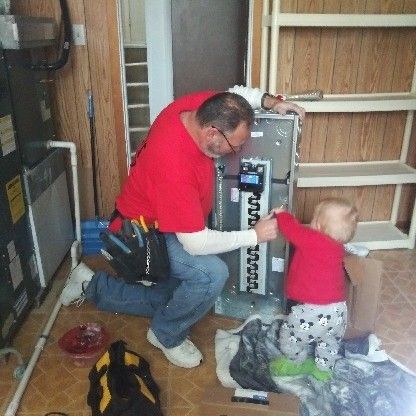
During your pro’s visit, they'll typically start by confirming the installation spot and checking that the existing electrical box can support the fan's weight. After assembling the fan, they’ll securely mount the bracket and connect the wiring. Once the fan is attached, your pro will test it on all speed settings and check any light fixtures to ensure everything is working properly before they clean up the area.
Why should I hire a pro to install my fan?
Fan installation can be a DIY-friendly project, but here's why you might want to hire a pro:
Many pros (especially licensed electricians) are trained to handle electrical wiring safely, which can prevent shocks, short-circuits, and potential fire hazards.
A pro can help ensure the fan is securely mounted and balanced, so you don't have to worry about it wobbling, making noise, or falling.
An experienced installer has the tools and knowledge to get the job done correctly and quickly, saving you time and frustration.
Hiring a pro can help guarantee your fan installation will meet local building and electrical codes.
If unexpected issues arise with your home's wiring or the fan's assembly, a pro can likely troubleshoot and solve them on the spot.
How do I choose the best pro to install or repair a fan?
When looking for a professional to install or repair a fan, make sure you complete the following steps:
Verify their license and insurance: An electrician will likely need a state license, while a handyman may have different credentials. Requirements vary by region, but any pro you hire should have general liability insurance to protect against accidents.
Get several bids: A good estimate will break down the costs for labor, materials, and any potential extra charges. It should also note if new wiring or work on a high ceiling is needed.
Read their reviews: Look for comments about their professionalism, punctuality, and the quality of their work. Positive reviews often mention that the fan is balanced and quiet, while red flags include complaints about wobbly fans or ceiling damage.
Look at their portfolios: Check for photos of completed fan installations. You’ll want to see that their work is clean, with no visible messy wiring, and that the fans are mounted securely.
Find out if they have warranties: Many professionals offer a workmanship guarantee on their installation. This is separate from the fan’s manufacturer warranty, so ask what their policy covers and for how long.
Ask important questions: Ask questions like, “Do you have experience installing this brand or type of fan?” and “Does your estimate include balancing the fan to make sure it runs quietly?”