How much will your local moving (under 50 miles) cost?
Columbus, OH 43215
Moving services cost$108 - $125
National average hourly price
- Most common low price:$108
- Most common high price:$125
How much do movers cost?
By Sydney Champion
Last updated Fri, Jan 17
Expert reviewed by Chris Davaa, owner of 24 Seven Moving in Los Angeles, California and a member of Thumbtack’s Pro Advisory Board.
The national average cost of moving ranges from $302-$1,495, according to Thumbtack data. This price estimate includes the cost of local and long-distance moves. However, it's important to note that local movers often have different pricing structures than long-distance movers.
On average, local moves cost $108-$125 per hour, according to Thumbtack data. Long-distance movers typically charge flat rates instead of hourly rates. The national average cost of a long-distance move ranges from $651-$5,491.
National average moving company costs
| Average cost range | $302-$1,495 (local + long-distance moves) |
|---|---|
| Local movers cost | $108-$125 (per hour) |
| Long-distance movers cost | $651-$5,491 |
For the purposes of this article, local moves are moves that are under 50 miles. Long-distance moves are moves that are 50 miles or more. Source for pricing data: Thumbtack
Moving company prices will vary depending on many factors, including the type of move, the size of your home, the number of movers you require, and how far you're moving. Keep reading to learn how you can estimate how much movers cost near you.
Table of Contents
- National average moving company costs
- How do moving companies set their prices?
- How to estimate your moving costs.
- How much does it cost to hire movers per hour?
- Average cost of hiring movers by city.
- How much do movers cost for local moves?
- How much do long-distance movers cost?
- DIY moving vs. hiring a pro.
- Tips to reduce your moving costs.
- How to hire reliable movers.
- Get free moving cost estimates near you.
- FAQs.
How do moving companies set their prices?
Movers use two common pricing models: hourly and fixed rates.
Alex Tsymbal, owner of Smart People Moving in San Francisco, California, says local moving companies tend to charge by the hour. Long-distance movers tend to have fixed or flat rates.
Whether they charge an hourly or flat rate, professionals will factor in several details to determine the cost of your move. For example, the cost of a long-distance move "mostly depends on the size of the move and distance," says Alex. Meanwhile, the time it takes to load the moving truck, drive to your new home, and unload the truck will heavily determine local moving costs.
Other common price factors include:
- The number of movers you hire
- The weight of your items
- The cubic feet of space your items take up in the truck
- Truck and gas fees
- Packing and unpacking fees
- Disassembling and reassembling furniture
- Storage fees
- Navigating stairs and other obstacles
Pro tip: When contacting moving companies, ask for a detailed list of all fees (including any minimum fee requirements). Some movers may include all the fees in their hourly or fixed rates, but some may not.
How to estimate your moving costs.
Several factors can influence the cost of hiring movers. Consider these details to better estimate your moving costs and set a budget:
1. Distance of the move.
The distance between your current location and your new home is significant in determining moving costs. Long-distance moving companies typically incur higher costs due to increased fuel expenses, tolls, and travel time for the movers.
Here's a look at national average moving prices by the total number of miles traveled:
| Distance | National average moving cost |
|---|---|
| Same building | $350 |
| 5 miles or less | $472 |
| 5-10 miles | $500 |
| 11-20 miles | $510 |
| 21-30 miles | $520 |
| 31-50 miles | $593 |
| 50-250 miles | $1,045 |
| 251-500 miles | $1,342 |
| 501-1,000 miles | $1,918 |
| 1,001-2,000 miles | $1,977 |
Please note that long-distance moving costs can vary greatly by distance and may even exceed $1,977.
*Source: Thumbtack data.
2. Home size and number of bedrooms.
The size of your home, including the number of rooms and the volume of your belongings, impacts moving costs. Larger homes require more manpower, time, and resources to pack, load, and transport, leading to higher costs.
Here's a look at the national average cost of moving by the number of bedrooms a home has:
3. Number of movers needed.
The bigger your home, the more items you have, and the more movers you need. Ask your moving company how many movers are included in their set rates.
Typically, our pros recommend the following number of movers for homes of different sizes:
| Number of rooms | Number of movers needed |
|---|---|
| Studio | 2 |
| 1-bedroom home | 2-3 |
| 2-bedroom home | 2-4 |
| 3-bedroom home | 3-4 |
| 4-bedroom home | 4-5 |
However, the number of movers you need "ultimately depends on the amount of belongings the customer has and whether they require packing services for small items," says Chris Davaa, owner of 24 Seven Moving in Los Angeles, California. "We sometimes send three movers for a four-bedroom house because the customer doesn't have that many items."
Compare prices from Movers near you.
4. How long will it take to move your home?
If your mover charges an hourly rate, getting a good idea of how long your move will take is important. The longer it takes to move your home, the more you can expect to pay.
According to Alex and Chris, here's how long a move typically takes for homes of different sizes:
| Number of rooms | Number of hours to move |
|---|---|
| Studio | 3-4 |
| 1-bedroom home | 3-6 |
| 2-bedroom home | 5-8 |
| 3-bedroom home | 6-10 |
| 4-bedroom home | 8-12 |
*Source: Thumbtack data.
5. Moving heavy items.
"Many moving companies typically charge an additional fee for moving heavy items such as pianos, security safes, or pool tables — especially if they weigh over 300 pounds," says Chris. "It's important to inquire about these fees before booking a moving service."
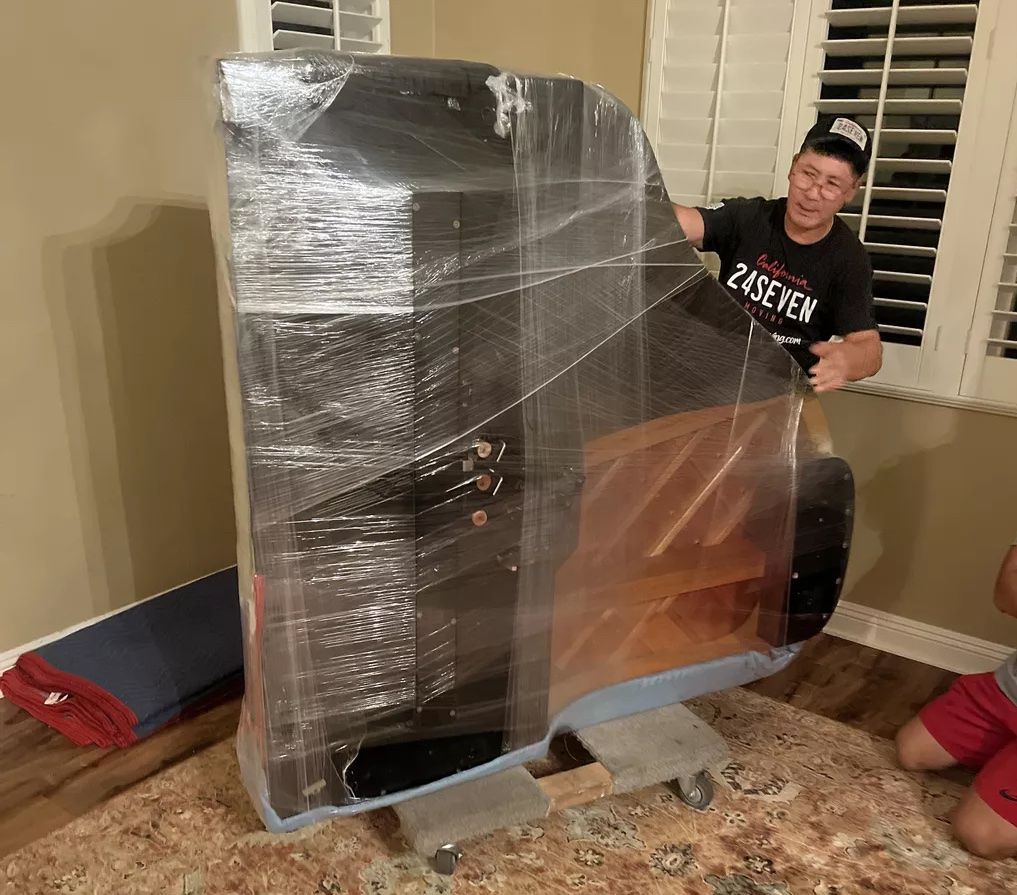
Movers wrap and prepare a baby grand piano for moving. Photo credit: 24 Seven Moving
Here's a look at how much it costs to move heavy items, according to Thumbtack data:
- Hot tub moving cost: $350-$450
- Piano moving cost: $300-$400
- Pool table moving cost: $395-$500
6. Stairs and other obstacles.
Anything that makes the move take longer or demands more physical exertion on the part of the movers can increase the total cost. For example, stairs at the initial move site or the new destination can increase moving costs because they require more work for movers and present more risk of injury or damage.
Narrow passageways, steep driveways, a lack of parking out front, and the presence or absence of elevators are other factors that can influence the price.
7. Additional moving services.
When planning a move, consider the additional services and cost you may need. Here are a few options to keep in mind:
- Packing services. "This added service can make the moving process more convenient for the customer but will come at an additional cost," says Chris. "Additional packing materials such as boxes, bubble wrap, and paper wrap will be provided for an extra fee to ensure the safety of the items being transported."
- Storage unit. You might need to store your belongings temporarily during a move. Many moving companies offer secure storage facilities, including short-term and long-term solutions.
- Furniture disassembly and reassembly. Moving large and bulky furniture can be challenging. Many professional movers offer furniture disassembly and reassembly services. Some may include it in their rate, but others may charge separately for this service.
- Insurance coverage. Accidents can happen during a move, so it's essential to have insurance coverage to protect your belongings. Most reputable moving companies provide basic coverage as part of their standard package. However, you can often opt for additional coverage based on the value of your items. Discuss insurance details with your chosen moving company to understand what is and isn't covered.
8. Location.
Moving company rates will vary depending on where you live. Typically, the more expensive the cost of living is in a city, the more it will cost to hire movers.
The bottom line: It's crucial to gather quotes from multiple moving companies to see their cost breakdowns and compare their prices. Remember, choosing a reputable and experienced moving company is essential for a smooth, stress-free move.
How much does it cost to hire movers per hour?
The national average hourly rate for movers ranges from $108-$125. This is the average rate for local moving companies.
Average cost of hiring movers by city.
Average moving prices vary by city. For example, the average moving cost in New York City ranges from $444-$1,925. But in Baltimore, average costs range from $381-$1,343.
| City | Total average moving cost |
|---|---|
| Atlanta | $312-$1,681 |
| Austin | $310-$1,536 |
| Baltimore | $381-$1,343 |
| Boston | $383-$2,356 |
| Charlotte | $319-$1,521 |
| Chicago | $311-$3,232 |
| Dallas | $313-$1,145 |
| Denver | $328-$2,556 |
| Houston | $306-$1,771 |
| Los Angeles | $332-$1,879 |
| Miami | $385-$2,094 |
| New York | $444-$1,925 |
| Orlando | $270-$1,260 |
| Philadelphia | $423-$1,235 |
| Phoenix | $368-$2,294 |
| San Diego | $354-$1,869 |
| San Francisco | $512-$2,451 |
| Seattle | $300-$2,879 |
| Tampa | $275-$2,458 |
| Washington, DC | $388-$1,679 |
*Source: Thumbtack data. Moving costs reflect average prices local and long-distance moves of various sizes.
How much do movers cost for local moves?
| National average cost range | $108-$125/hour |
|---|---|
| Low-end cost range | $80-$90/hour |
| High-end cost range | $180-$250/hour |
*Source: Thumbtack data.
The national average cost of a local move is $108-125 per hour. Low-end hourly rates for a local move range from $80-$90; high-end rates range from $180-$250.
How much do long-distance movers cost?
| National average cost | $493-$1,424 |
|---|---|
| Low-end cost range | $294-$850 |
| High-end cost range | $4,116-$5,491 |
*Source: Thumbtack data.
The national average cost of a long-distance move is $493-$1,424. Depending on how far you're moving, you can expect to pay $294-$850 on the low end and $4,116-$5,491 on the high end.
However, many factors (such as shipping your car, moving a large house, and moving across the country) may drive up your costs even more.
DIY moving vs. hiring a pro.
Renting a moving truck and transporting your belongings to your new home on your own can be much more cost-effective. However, choosing a DIY move means you'll miss out on the benefits of hiring a moving company. For example:
- Professional movers have the best equipment and tools, so you don't have to worry about renting a truck or using moving straps or dollies.
- Moving companies save you time and stress. Moving into a new home can be a stressful experience. Allowing a pro to take care of the heavy lifting and transporting of items allows you to focus on other important details (changing your address, enrolling children in schools, decorating your home, etc.)
- Movers offer insurance, which can give you peace of mind and protection. Moving insurance can cover any accidental damage that may occur during your move.
Before making a decision, weigh the pros and cons of choosing to DIY or hire professional moving services.
Get free estimates from top-rated Movers.
Tips to reduce your moving costs.
Moving expenses can quickly add up. But with careful planning and smart decisions, you can save money. Here are some tips to help you keep your moving costs in check:
1. Plan your move in advance.
Giving yourself plenty of time to prepare can help you avoid last-minute expenses before your moving date. Create a detailed moving checklist and timeline to stay organized and ensure you don't overlook important tasks. Booking your movers well in advance can often result in lower rates.
2. Move during the right time of year.
The timing of your move can impact costs. Moving during peak seasons (May through November) or weekends is typically more expensive due to higher demand.
"Movers often offer discounts for weekdays or non-peak seasons," says Chris. "Taking advantage of these opportunities can result in significant savings for customers.”
3. Avoid traffic.
"If the distance is long, book early [in the day] to start and avoid traffic during the move," recommends Chris. Heavy traffic can add more time to your move, which can increase costs.
4. DIY packing.
You can save money by packing your belongings yourself. Gather packing supplies like boxes, tape, and bubble wrap. Local stores or online marketplaces often offer these items for free or at a lower cost.
Use household items like towels, blankets, and clothing to protect fragile items. This can help reduce the need for extra packing materials.
5. Negotiate with moving companies.
Don't hesitate to negotiate with moving companies for the best deal. Request quotes from multiple movers and compare their prices and services.
Use these quotes as leverage to negotiate a better price. Some movers may be willing to match or beat competitors' prices to secure your business.
6. Organize before the movers arrive.
Packing your boxes ahead of time is a big cost saver. Having all your boxes well organized and labeled (on all sides of the box) also makes packing and unpacking easier. And if you're paying by the hour, this saves you cash.
"By packing and labeling items beforehand, as well as having a clear layout of where furniture and boxes should go in the new location, movers can work more efficiently and quickly," says Chris. "This can help reduce the overall time spent on the move, ultimately saving the customer money on hourly rates."
7. Disassemble and reassemble furniture.
Pro movers will usually disassemble and reassemble furniture for you. But if you can take things apart (and put them back together) yourself, you can reduce the time it takes to move your home.
How to hire reliable movers.
Choosing reliable movers is crucial for a stress-free move. Follow these steps to ensure you pick the best mover near you:
Read customer reviews.
Before hiring professional movers, read customer reviews to gain insight into other people's experiences. Look for reviews mentioning professionalism, punctuality, and overall satisfaction. Thumbtack provides a platform for honest reviews, making it easier to find trustworthy movers.
Verify licenses and insurance.
Ensure the movers you choose are licensed and insured. A reputable moving company will have the necessary licenses and insurance to protect your belongings during the move.
Get written estimates.
Obtain written estimates to understand your moving costs. Thumbtack allows you to request quotes from multiple movers to compare prices.
Review estimates carefully, paying attention to additional fees or services included. This helps you make an informed decision and avoid surprises on moving day.
For more guidelines on how to hire the best movers for your move, check out Thumbtack's tips for smart hiring.
Get free moving cost estimates near you.
No matter how big or small your upcoming move is, plenty of pros can help. Start your search on Thumbtack to compare the best movers near you. Download the app to see top-rated movers near you and receive free price quotes.
FAQs.
How much should you tip movers?
Tips can be split up among all the movers, but many companies recommend you give a tip directly to each worker to recognize their effort and ensure that each one receives their share. Consider tipping $20-$50 per mover, per day. Or, tip $5-$15 per hour, per mover.
You're not required to provide a tip, but remember that it is a much-appreciated gesture for a job well done.
What day is cheapest to hire movers?
Avoid hiring movers on a weekend. It’s typically cheaper to hire a company to move your home on a weekday.
How much do movers cost for a 1-bedroom apartment?
The national average cost to hire movers for a 1-bedroom home ranges from $260-$537 for local moves and $497-$1,393 for long-distance moves, according to Thumbtack data.
How much do movers cost for a 2-bedroom apartment?
The national average cost to hire movers for a 2-bedroom home ranges from $312-$645 for local moves and $588-$1,647 for long-distance moves, according to Thumbtack data.
How much do movers cost for a 3-bedroom apartment?
The national average cost to hire movers for a 3-bedroom home ranges from $384-$793 for local moves and $708-$1,983 for long-distance moves, according to Thumbtack data.
How much do movers cost for a 4-bedroom apartment?
The national average cost to hire movers for a 4-bedroom home ranges from $487-$1,006 for local moves and $818-$2,291 for long-distance moves, according to Thumbtack data.
*A note about project costs featured in this article: Figures represent national average cost estimates using data provided by Thumbtack pros and additional research. These figures are provided for educational purposes only and are subject to change at any time due to various factors. Details about your specific project and local rates can impact costs.
How do we know these prices?
5m
Customers this year
300k+
Pros this year
20k
Projects a day
How it works.

Search.
Browse profiles, see prices and use filters to find pros who match your project.

Chat.
Contact the pros you like to discuss project details.

Hire.
Check pro availability and book appointments right in the app.
You might also like