How much will your siding installation cost?
Columbus, OH 43215
Wood siding installation costs$1,725 - $7,962
National average fixed price
- Most common low price:$1,725
- Most common high price:$7,962
How much does it cost to install wood siding on a house?
By Thumbtack Staff
Last updated Mon, Aug 11
The national average cost to install wood siding ranges from around $1,725-$7,962, and most people pay around $3,708, according to Thumbtack data. When choosing a type of wood siding, the most common options are cedar, fir, spruce, pine, redwood or cypress. It’s important to remember that the cost of a wood siding project depends on the species and various factors.
| National average cost | $3,708 |
|---|---|
| Low-end cost | $1,725 |
| High-end cost | $7,962 |
Read on to learn more about the factors that impact the cost of installing wood siding, its benefits and the best ways to get cost estimates from siding professionals in your area.
Table of Contents
Wood siding cost per square foot
Installing wood siding costs approximately $13.89 per square foot. The total cost of installing wood siding is based primarily on the square footage (or the “square,” which equals 100 square feet) of the structure. The following chart outlines the total cost of wood siding based on the estimated square footage price.
| Total square footage | Cost estimate |
|---|---|
| 1,000 | $13,890 |
| 1,200 | $16,668 |
| 1,500 | $20,835 |
| 2,000 | $27,780 |
| 2,500 | $34,725 |
Cedar siding cost
Cedar siding costs approximately $5-$15 per square foot to install, depending on the type of cedar siding. Cedar siding is a natural and durable wood species. It’s usually horizontal and comes in the form of shakes, shingles, clapboards and planks — all of which have different price points.
| Type of cedar siding | Cost per square foot |
|---|---|
| Cedar shake siding | $6.50-$13.50 |
| Cedar shingle siding | $6.00-$15.00 |
| Cedar clapboard siding | $5.00-$10.00 |
Cedar shake siding cost
Cedar shake siding costs $6.50-$13.50 per square foot to install. Cedar shakes are hand-split and provide a natural, rustic, rugged and traditional appearance to homes. They’re also thicker than other cedar shingles.
According to The Spruce, cedar shake siding can result in a high resale value if it’s well-maintained. It’s also a good “accent siding” that combines well with other types of siding. However, it does require more maintenance than other types of siding and is not fire-proof.
Find the right Siding Professional for your project.
Cedar shingle siding cost
Cedar shingle siding costs $6-$15 per square foot to install. Compared to cedar shakes, cedar shingles are smoother, which lends a cleaner and more streamlined appearance. Cedar shingles are also thinner than cedar shakes.
Cedar clapboard siding cost
Installing cedar clapboard siding costs $5-$10 per square foot. Cedar clapboard siding (also known as weatherboard, bevel siding or lap siding) is popular in New England. This type of siding comes in long and narrow planks and is installed horizontally.
Engineered wood siding cost
Engineered wood is a cost-effective alternative to wood and cedar siding. It’s durable, less expensive and usually faster to install than wood siding. Engineered wood siding costs approximately half the price of real wood siding, according to Bob Vila. This means you can expect to spend roughly $3,500-$15,000 to install engineered wood siding.
Wood siding cost factors
In addition to labor and installation costs, there are several other factors that will impact the cost of installing wood siding:
- Wood species. In addition to engineered wood and cedar, you can opt for cypress, fir, pine, redwood and spruce.
- Square footage. One of the biggest factors that will impact the cost is the square footage of the project. The more square feet you have, the more expensive the project will be.
- House shape. The shape of the house will also impact the scope of the project. For example, siding a gable may require more labor than a flush side of the perimeter.
- Siding brand. Like any product, the siding brand will influence the cost of the wood siding. Shop around to compare prices from different siding brands to find one that fits your siding requirements and budget.
- Materials. If you don’t already have the siding materials, talk to a contractor. They may be able to supply the materials. Just make sure you compare their costs against other manufacturers and brands.
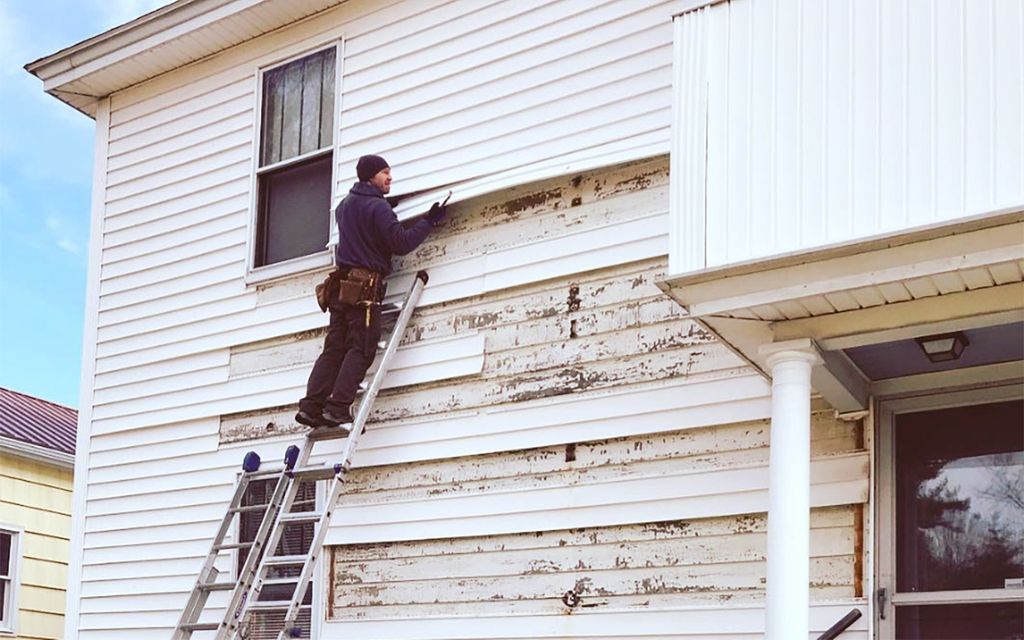
- Removing existing siding. If you’re replacing existing siding, you’ll likely have to remove the old siding. The cost of siding removal is another cost factor to factor into your project.
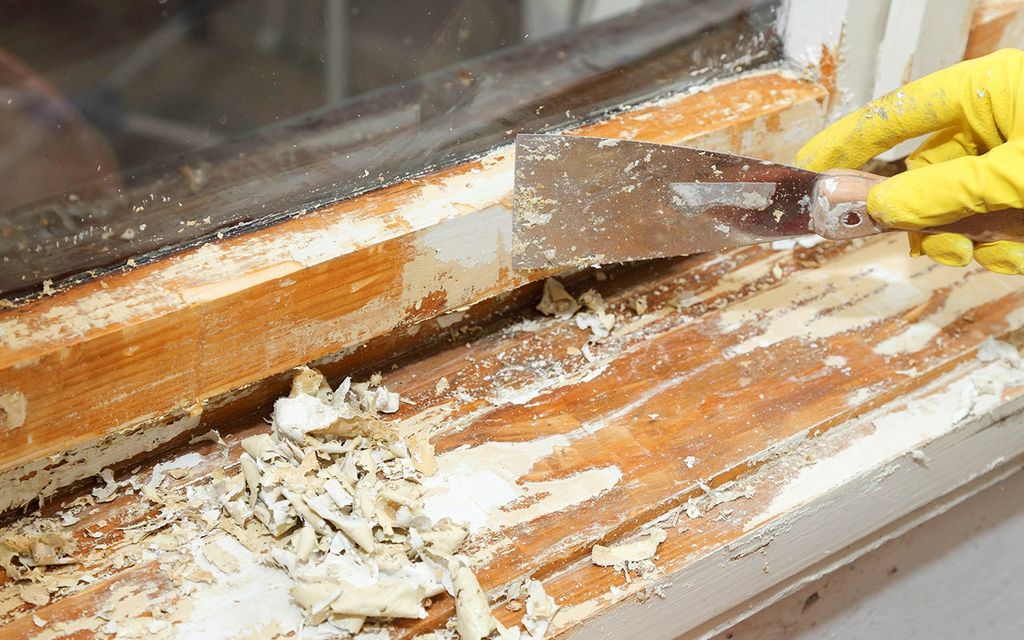
- Painting, staining and sealing. Once the siding is installed, it will likely require finish work. You can choose to paint or stain the siding. Wood siding should also be sealed to ensure its longevity.
When you’re requesting cost estimates from siding pros, ask them to break down all of the factors that will go into your project.
Wood siding benefits
There are many benefits to wood siding. For one, it’s a timeless siding choice. Homeowners often adore its charming and beautiful aesthetic.
Wood siding can also be installed in a reasonable amount of time. Wood siding is long-lasting when properly maintained and also biodegradable, making it an eco-friendly siding pick. It also has the ability to be stained or painted.
How to save money on wood siding
With any remodeling project, lack of planning can drive up the cost. Working with a knowledgeable siding expert is your best approach to choosing the brand and wood type that will pay off.
Also, a well-vetted contractor can help you determine the appropriate amount of siding you need based on your square footage and educate you on the difference between painting and staining your siding.
Wood and cedar siding maintenance tips
Performing regular maintenance on your wood and cedar siding can protect your investment and help your siding last longer. If you don’t maintain it, your wood siding will become susceptible to rot. Here some maintenance tips to always keep in mind:
- Paint, seal and/or stain your wood siding. Consult your manufacturer’s guidelines for clear instructions on how to protect your siding from the elements. Your manufacturer should also have information on how often you should repaint, reseal or re-stain your siding.
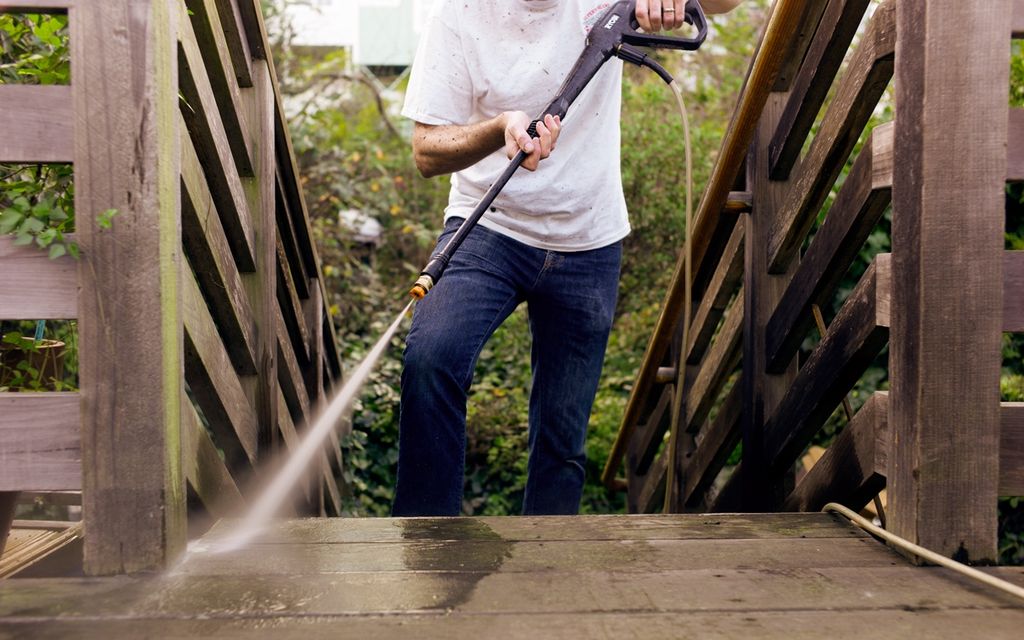
- Clean your wood siding at least once a year. Use a mild soap, warm water and a soft-bristle brush to clean your siding. Avoid using a pressure washer, as this may damage your siding.
- Routinely inspect your wood siding. Walk around your home and inspect its exterior, especially when the seasons change and right after a major weather event (snow, rain, etc.). Make a habit of doing this several times a year so you can catch minor issues and big problems, such as termites, mildew, mold, and rot.
- Keep foliage away from your siding. For example, trim back your tree branches to avoid moisture and other damage.
- Stay on top of minor repairs. Regularly staying on top of minor repairs will pay off by protecting your siding from needing major, costly repairs or replacement.
- You may need to refinish your siding every few years.
- You should refinish before severe weathering occurs.
- Discoloration, blotches, thin coating, cracks, scaling and chalking are all sights that it might be time to refinish your siding.
As always, look for maintenance and cleaning tips in your manufacturer’s guidelines.
How to hire a siding contractor
Hiring the right contractor can make or break your siding project. An experienced, top-rated contractor or installation pro can save you money and time in the long run by installing the siding correctly.
Questions to ask siding contractors
It's important to ask contractors the right questions. Below are several questions you should ask any siding contractor:
- Can I see a portfolio of past projects?
- Can you share a list of references?
- Are you licensed and insured?
- Do you offer any warranties?
- If repairs are required, how do you handle that?
- How long would it take to install siding on my home?
- What does your cost estimate include? Can you provide an itemized breakdown?
- How does wood siding compare to other types (like vinyl) when it comes to cost?
Requesting price quotes from contractors
When shopping around for siding contractors, a general rule is to get at last three bids. An efficient way to get estimates is to use Thumbtack, which allows you to locate the top-rated siding professionals near you and view their profiles, customer reviews and past project photos. You can also request free cost estimates using Thumbtack.
When getting bids hiring a siding contractor, there’s important information that will be helpful for the contractor to know in order to provide you with an accurate bid. Here are some details you should disclose:
- If you currently have siding on your home and what kind: aluminum, cedar, engineered wood, fiber cement, Hardie or vinyl.
- If you’re looking to repair existing siding — or replace it entirely.
- If you’re looking to mix different styles of siding, such as engineered wood siding with cedar shake siding.
Before hiring a contractor of any kind, it’s important to confirm they’re licensed, bonded and have insurance. For more important hiring advice, read our guide on how to hire a contractor.
Find a wood siding installer near you
Now that you have an insight into the different types of wood siding, their costs and how to find contractors, it’s time to start your search. Use Thumbtack to find a wood siding contractor who can transform your home’s exterior.
FAQs
What is the cheapest wood siding for a house?
Plywood is an affordable type of wood siding, according to The Spruce. However, it may not offer the same level of curb appeal as other materials, like cedar shake siding.
How long does wood siding last on a house?
Wood siding can last decades — as long as it’s properly cared for. Wood’s longevity can make it worth the upfront investment.
How do we know these prices?
5m
Customers this year
300k+
Pros this year
20k
Projects a day
How it works.

Search.
Browse profiles, see prices and use filters to find pros who match your project.

Chat.
Contact the pros you like to discuss project details.

Hire.
Check pro availability and book appointments right in the app.
You might also like